
Exploring the Intersection of Money, NLP, and Healing
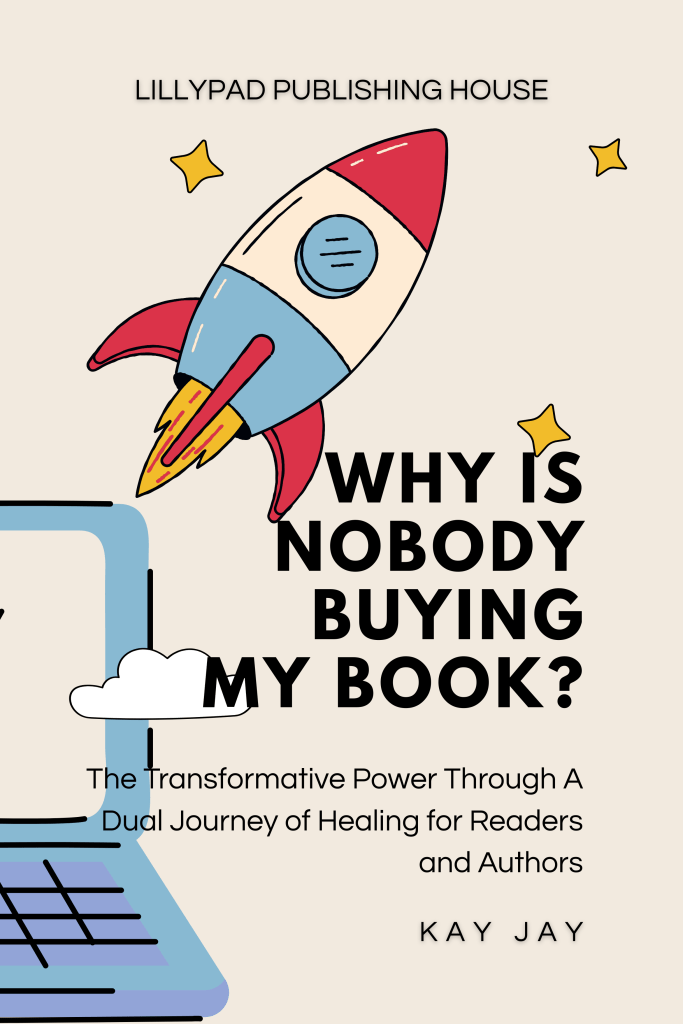
As a writer, pouring your heart and soul into a book only to face lackluster sales can be disheartening. The question looms large: Why is nobody buying my book? The answer might not lie solely in marketing strategies or pricing, but in deeper, more nuanced connections between the psychology of money, the principles of NLP (Neuro-Linguistic Programming), and the art of healing—both for the reader and the author.
Let us explore these intersections, offering insights into how aligning with your audience’s subconscious needs can transform your book from a product into a profound experience.
The Money Question: What Has Money Got to Do With It?
The Intricate Dance of Book Buying: A Deep Dive into the Psychology and Marketing of Books
Books have long been hailed as portals to knowledge, entertainment, and personal growth. However, the act of purchasing a book transcends the mere exchange of money for a physical object. It’s a complex emotional transaction where the perceived value of the book intertwines with the buyer’s individual needs and desires.
Unraveling the Buyer’s Psyche
- The Value Proposition: At the heart of every book purchase lies a fundamental question: “Is this book worth my time and money?” In today’s fast-paced world, where attention is a precious commodity, readers seek books that promise a transformative experience, whether it’s through captivating storytelling, profound insights, or practical knowledge. If a book’s value proposition isn’t immediately clear or compelling, potential buyers are likely to hesitate.
- The Battle for Attention: Books are no longer competing solely against other books. They’re vying for attention in a landscape saturated with streaming services, social media platforms, and a plethora of free online content. To entice readers away from these distractions, books must offer a unique and irresistible value proposition that transcends the allure of instant gratification.
- The Price Tag Dilemma: The price of a book plays a significant role in the buyer’s decision-making process. Pricing a book too low can inadvertently signal a lack of confidence in its quality, while setting an exorbitant price without a clear justification can alienate potential readers. Striking the right balance is crucial. The book’s price should accurately reflect its unique value and resonate with the target audience’s expectations.
The Author’s Crucial Role
- Pricing with Conviction: Authors must approach the pricing process with confidence and clarity. Thorough market research, understanding the target audience’s expectations, and a clear articulation of the book’s unique value proposition are essential for setting a price that instills confidence in both the author and the potential buyer.
- The Emotional Connection: For many authors, the reception of their work is deeply intertwined with their sense of self-worth. However, this emotional attachment can create unnecessary pressure and hinder the marketing and sales process. By consciously cultivating a healthier relationship with their work, authors can view their book as a gift to the world rather than a validation of their identity. This shift in perspective can infuse the marketing and sales efforts with a sense of authenticity and generosity that resonates with readers.
Beyond the Transaction: Nurturing a Relationship
The journey doesn’t end with the purchase. Building a lasting relationship with readers is essential for long-term success. Authors can achieve this by:
- Engaging with Readers: Actively participating in online communities, responding to reviews, and hosting Q&A sessions can foster a sense of connection and loyalty among readers.
- Offering Additional Value: Providing bonus content, exclusive insights, or personalized recommendations can enhance the reader’s experience and deepen their engagement with the author’s work.
- Building a Community: Creating a space where readers can connect with each other and share their thoughts and experiences can foster a sense of belonging and encourage repeat purchases.
The world of book buying is a complex and dynamic landscape where the emotional and psychological aspects of the transaction play a crucial role. By understanding the buyer’s psychology, pricing their books with confidence, and nurturing a genuine connection with their readers, authors can navigate this landscape successfully and build a thriving literary career.
NLP: Reprogramming Connections Between Words and Emotions
Neuro-Linguistic Programming (NLP) is the study of how language and behaviors influence our subconscious mind. For authors, it provides a toolkit to connect more deeply with readers by resonating with their inner worlds.
Applying NLP to Writing and Marketing
1. Crafting Emotional Hooks:
- The opening lines of your book, blurb, or marketing copy are crucial for capturing the reader’s attention.
- These initial words should evoke emotions, sparking curiosity, empathy, or a desire for transformation.
- Instead of using generic phrases, employ language that resonates with the reader’s emotional state.
- For example, instead of saying “Learn to manage stress,” consider a more evocative alternative like “Discover how to find calm in the chaos of life.” This phrasing creates a sense of possibility and speaks to the reader’s longing for peace.
2. Anchoring with Imagery:
- Metaphors and sensory language are powerful tools for creating lasting impressions.
- By using vivid imagery, you can transform your book from a mere collection of words into a memorable experience.
- Consider the example, “The journey of healing is like learning to swim in stormy seas—you’ll struggle, but eventually, you’ll find your rhythm.” This metaphor not only paints a vivid picture but also conveys the challenges and ultimate triumph of the healing process.
3. Mirroring Reader’s Language:
- To establish a connection with your target audience, it’s essential to understand their language.
- Pay attention to the specific phrases and terms they use to describe their pain points, desires, and aspirations.
- By incorporating this language into your book description and marketing materials, you demonstrate that you understand their needs and can offer solutions.
NLP in Author-Reader Relationships
- Building trust with your readers is crucial for establishing a loyal following.
- One effective way to foster trust is to align your language with the aspirations of your audience.
- If your book is about healing, for instance, speak directly to their wounds, fears, and hopes in a way that feels personal and empathetic.
- By acknowledging their struggles and offering guidance, you position yourself as a supportive guide on their journey.
Additional NLP Techniques for Writing and Marketing:
- Utilizing Persuasive Language Patterns: Employing language patterns that resonate with the subconscious mind can enhance the persuasive power of your writing.
- Incorporating Storytelling Elements: Stories are a powerful way to engage readers and convey messages. Use storytelling techniques to make your writing more compelling.
- Establishing Rapport Through Language: Building rapport with your readers involves using language that creates a sense of connection and understanding.
- Tailoring Your Message to Different Personality Types: Understanding the different personality types within your target audience can help you tailor your messaging for maximum impact.
By incorporating these NLP principles into your writing and marketing efforts, you can create a deeper connection with your readers and achieve greater success.
Remember, effective communication is about understanding your audience and using language that resonates with them on an emotional and psychological level.
Healing Through Storytelling: A Dual Journey
The Transformative Power of Books: A Dual Journey of Healing for Readers and Authors
Books have an extraordinary capacity to heal. They offer a refuge, a source of wisdom, and a mirror reflecting our own lives. This transformative power extends beyond the reader, reaching deep into the heart of the author. The process of writing itself can be a profound journey of self-discovery and healing.
The Reader’s Healing Journey
- Connection with the Author: Readers yearn for authenticity. When authors share their struggles and triumphs, whether in fiction or non-fiction, they forge a connection with their audience. Readers see their own stories reflected in the author’s experiences, fostering a sense of belonging and understanding.
- Actionable Insights: Books that offer guidance for self-improvement or personal growth can be particularly impactful. By incorporating actionable steps within compelling narratives, authors empower readers to make tangible changes in their lives. This sense of empowerment can lead to increased word-of-mouth recommendations and a wider audience for the book.
- Emotional Catharsis: Stories have the power to evoke a wide range of emotions in readers. By experiencing these emotions within the safe confines of a book, readers can process their own feelings and experiences, leading to emotional release and healing.
- Inspiration and Motivation: A well-written book can inspire readers to pursue their dreams, overcome challenges, and live more fulfilling lives. The stories of resilience and triumph found within the pages of a book can ignite a spark of motivation in readers, propelling them towards positive change.
The Author’s Healing Journey
- Facing Vulnerabilities: Writing often requires authors to confront their deepest fears, insecurities, and vulnerabilities. This process of self-examination can be both challenging and therapeutic. By putting their thoughts and emotions into words, authors can gain a deeper understanding of themselves and their experiences.
- Reframing Failure: The path to literary success is rarely smooth. Authors often face rejection, criticism, and slow sales. However, these setbacks can be reframed as opportunities for growth. Instead of dwelling on perceived failures, authors can ask themselves, “What lesson is this teaching me about connection, persistence, or humility?” This shift in perspective can lead to greater resilience and a deeper sense of purpose.
- Growth Through Feedback: Engaging with readers through reviews, comments, and social media can provide valuable insights for authors. By actively listening to feedback, both positive and negative, authors can learn what resonates with their audience and what doesn’t. This feedback loop can be a powerful catalyst for growth and improvement.
- Leaving a Legacy: For many authors, the act of writing is about more than just self-expression. It’s about leaving a lasting legacy. By sharing their stories and insights, authors can make a positive impact on the world, long after they are gone. This sense of purpose can be a powerful source of healing and fulfillment.
The Interconnectedness of the Journey
The healing journeys of readers and authors are deeply interconnected. Authors who are willing to be vulnerable and share their own struggles can create a space for readers to do the same. This shared experience of vulnerability and healing can foster a sense of community and connection, ultimately leading to a more compassionate and empathetic world.
Books have the power to heal both readers and authors. By embracing vulnerability, seeking feedback, and reframing challenges as opportunities for growth, authors can create works that resonate deeply with their audience. Through the shared experience of reading and writing, we can embark on a collective journey of healing and transformation.
Synergy: Aligning Money, NLP, and Healing for a Transformative Book Journey
The intersection of money, NLP (Neuro-Linguistic Programming), and healing offers a profound framework for reimagining your book’s journey. By understanding the energetic dynamics of money, harnessing the persuasive power of language, and positioning your book as a catalyst for healing, you can create a truly impactful and prosperous author experience.
1. The Energy of Abundance: Shifting Your Mindset
Money is more than just a medium of exchange; it’s a form of energy that carries your intentions and beliefs. Approaching book sales with scarcity or desperation can create a self-fulfilling prophecy of lack. Instead, cultivate an abundance mindset:
- Generosity as a Marketing Strategy: Offer free sample chapters, bonus content, or exclusive access to online communities. This demonstrates your confidence in your book’s value and builds trust with potential readers.
- Authentic Engagement: Foster genuine connections with your audience on social media. Share insights, stories, and inspiration related to your book’s themes. Focus on providing value and building relationships, rather than solely pushing sales.
- Visualization and Affirmations: Use visualization techniques to imagine your book reaching a wide audience and making a positive impact. Affirm your belief in your book’s potential and your ability to achieve your goals.
2. Resonance Through Language: The Art of Persuasion
NLP provides powerful tools for crafting language that resonates deeply with your readers’ subconscious minds. By understanding their desires, motivations, and pain points, you can create marketing copy and book content that speaks directly to their needs.
- Identify Your Ideal Reader: Create a detailed profile of your target audience. What are their challenges, aspirations, and values? What language and imagery will resonate most strongly with them?
- Use Persuasive Language Patterns: Employ NLP techniques such as anchoring, reframing, and metaphors to guide readers towards positive associations with your book.
- Evoke Emotions: Craft your writing to elicit emotions that motivate action. Inspire hope, curiosity, or a sense of urgency to encourage readers to take the next step.
3. Healing as a Shared Journey: Building a Community of Transformation
Position your book as a tool for healing and personal growth. Share your own journey of transformation and invite readers to embark on their own.
- Authenticity and Vulnerability: Be open about your own struggles and triumphs. This builds trust and creates a deeper connection with your audience.
- Empowerment and Inspiration: Offer practical guidance and insights that empower readers to overcome challenges and achieve their goals.
- Community Building: Create spaces for readers to connect, share their experiences, and support each other on their healing journeys.
Integrating Money, NLP, and Healing: A Holistic Approach
By aligning your mindset, language, and intentions, you can create a book that not only generates financial abundance but also contributes to the well-being of your readers. Remember, your book is more than just a product; it’s a vehicle for transformation and a catalyst for positive change.
Embrace the synergy of money, NLP, and healing to create a book that truly makes a difference in the world. By approaching your author journey with authenticity, generosity, and a commitment to service, you can achieve both personal fulfillment and financial success.
Practical Steps for Moving Forward
1. Revisit Your Messaging:
- Targeted Communication: Does your book description truly resonate with your ideal readers? Analyze the language you’re using. Does it address their specific pain points, desires, and aspirations? If not, it’s time for a rewrite.
- NLP Techniques: Employ the power of Neuro-Linguistic Programming (NLP). Use words and phrases that evoke positive emotions and create a sense of connection. Consider the sensory language that will resonate most with your target audience.
- Clarity and Conciseness: Ensure your message is clear, concise, and easy to understand. Avoid jargon or overly complex language that might alienate potential readers.
- Call to Action: Include a clear and compelling call to action. What do you want your readers to do after reading your book description? Make it easy for them to take the next step, whether it’s purchasing your book, signing up for your newsletter, or following you on social media.
2. Analyze Your Audience:
- Know Your Readers: Who are they? What are their interests, demographics, and psychographics? The more you know about your audience, the better you can tailor your messaging and marketing efforts.
- Understand Their Values: What motivates your readers? What are their core values and beliefs? Align your messaging with these values to build trust and credibility.
- Personalization: Consider segmenting your audience and creating targeted messaging for each group. This will help you connect with readers on a deeper level and increase engagement.
- Market Research: Conduct surveys, polls, or interviews to gather insights about your audience. Use this information to refine your marketing strategies and better meet their needs.
3. Cultivate Authentic Connections:
- Share Your Story: Be open and vulnerable about your own experiences. Share your struggles, triumphs, and lessons learned. This will help you build a deeper connection with your audience and establish yourself as a relatable and trustworthy figure.
- Engage in Conversations: Participate in online communities, forums, and social media groups where your target audience hangs out. Answer questions, offer insights, and provide value.
- Host Live Events: Consider hosting webinars, workshops, or Q&A sessions to connect with your audience in real-time. This is a great way to build relationships, generate excitement, and get feedback on your work.
- Guest Blogging and Podcasts: Seek out opportunities to guest post on relevant blogs or appear as a guest on podcasts. This will help you reach a wider audience and establish yourself as an expert in your field.
4. Celebrate Small Wins:
- Focus on Progress: Remember that success is a journey, not a destination. Celebrate every milestone, no matter how small. This will help you stay motivated and maintain a positive outlook.
- Track Your Metrics: Keep track of your progress using relevant metrics, such as book sales, website traffic, social media engagement, and email subscribers. This will help you measure your success and identify areas for improvement.
- Learn from Your Mistakes: Don’t be afraid to experiment and try new things. If something doesn’t work, learn from it and move on.
- Stay Inspired: Surround yourself with positive people and resources that inspire and motivate you. Read books, listen to podcasts, and attend events that fuel your creativity and passion.
Remember, building a successful author platform takes time, effort, and dedication. By following these practical steps and consistently putting in the work, you can connect with your audience, build a loyal following, and achieve your goals.
The question, Why is nobody buying my book?, is less about the act of selling and more about the act of connecting. Money, NLP, and healing are threads that, when woven together, create a tapestry of authentic engagement. By aligning your writing, marketing, and self-perception with these principles, you transform your book into more than a product—it becomes an invitation, a transformation, and a shared journey.
Remember, every great success story begins with moments of doubt and reflection. Embrace the process, trust your vision, and continue writing the next chapter—not just of your book but of your growth as an author and human being.







 Kay’s Odyssey
Leave a comment