


One thing I hope people say about me is that I made them feel seen, heard, and understood—not just in a surface-level way, but truly, deeply, in a way that helped them connect with the core of who they are. I hope my words, whether written or spoken, reminded them that their story—no matter how messy, complicated, or unconventional—is valid, beautiful, and worthy of being told.
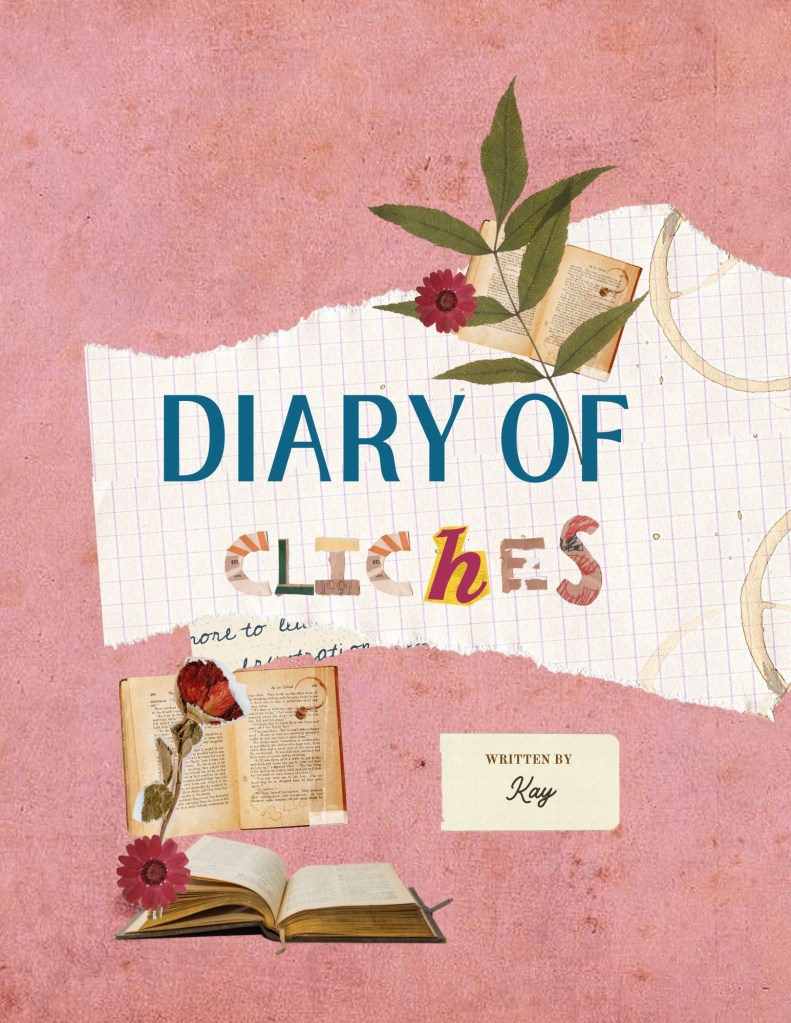
That’s the heart of Diary of Clichés. When I sat down to write it, I wasn’t just creating a collection of stories. I was opening a window into the raw, unpolished moments of my life, hoping that somewhere, someone would read it and feel less alone. Whether it’s navigating heartbreak, finding humor in the chaos, or learning to see clichés as universal truths that connect us, my goal has always been to inspire others to embrace their own narrative.
So, if someone can look back and say, “She inspired me to live authentically and to love my story, flaws and all,” that would mean the world to me. Because at the end of the day, Diary of Clichés is more than just a book—it’s an invitation to rediscover yourself through the shared experiences that make us human.
I’ve always believed that stories have an incredible power to connect us, even when we’re miles apart in experience or circumstance. They act as bridges, spanning the gap between “me” and “you,” reminding us that beneath the surface, our fears, joys, and dreams are often strikingly similar. If there’s one thing I hope people say about me, it’s that I built those bridges—that my words made them feel less alone, less invisible, and a little more hopeful.
When I began writing Diary of Clichés, I didn’t set out to craft a perfect narrative or even a particularly polished one. Instead, I wanted to hold up a mirror to the kind of life we all live but don’t always talk about. The life filled with contradictions, failed plans, and moments of sheer absurdity that somehow manage to teach us the most profound lessons. I wanted to write something that didn’t just sit prettily on a shelf but leaped into people’s lives, offering them solace, a laugh, or even just a quiet moment of reflection.
Writing has always been my therapy. There’s something about putting pen to paper—or fingers to keyboard—that allows me to process emotions in ways I can’t otherwise. It’s as if the act of writing gives me permission to admit the things I’m afraid to say out loud. For years, my journal was the one place I felt free to be completely honest. There, I could lay bare my insecurities, wrestle with heartbreak, and even laugh at my own expense without judgment.
But as I poured my thoughts onto those pages, something surprising happened: I began to notice patterns. Stories I’d thought were unique to me turned out to be universal. Phrases I’d dismissed as tired clichés—like “what doesn’t kill you makes you stronger” or “love is blind”—started to resonate in unexpected ways. These clichés weren’t just filler; they were shorthand for the messy, complicated truths of life. And that realization became the foundation for Diary of Clichés.
The book isn’t just a collection of stories; it’s a journey through the clichés we live by, often unknowingly. It’s an exploration of how these overused phrases, when viewed through a personal lens, can hold surprising depth and meaning. It’s about taking the tired and making it transformative. And through that process, I hope readers feel a little braver about embracing their own lives—the glorious highs, the crushing lows, and all the awkward in-betweens.
If there’s one thing I’ve learned, it’s that writing can heal in ways we don’t fully understand. It helps us untangle the mess in our minds, putting structure to chaos. And when we share those writings with others, we invite them into a space where they can find their own meaning, their own healing. With Diary of Clichés, I wanted to create that space. A space where readers can laugh, cry, and maybe even roll their eyes, but ultimately walk away feeling seen.
So if someone, somewhere, reads this book and says, “She made me feel like my story mattered,” then I’ll know I’ve done my job. Because at the end of the day, that’s what I hope people remember about me: that I encouraged them to own their stories, to find beauty in the imperfections, and to know that they’re never alone in the chaos.
Life isn’t about having it all figured out—it’s about embracing the journey, clichés and all. And maybe, just maybe, Diary of Clichés will inspire others to do the same.



 Kay’s Odyssey
Leave a comment