What are your thoughts on the concept of living a very long life?
I used to think a very long life sounded like a gift.
More time to fix things.
More chances to get it right.
More room for love to eventually find its footing.
But after a while, I realized longevity only matters if you’re not dragging unfinished stories behind you like ghosts.
What exhausts us isn’t aging—it’s repetition.
The same emotional loops.
The same patterns dressed up as fate.
The same almosts that never quite cross into being.
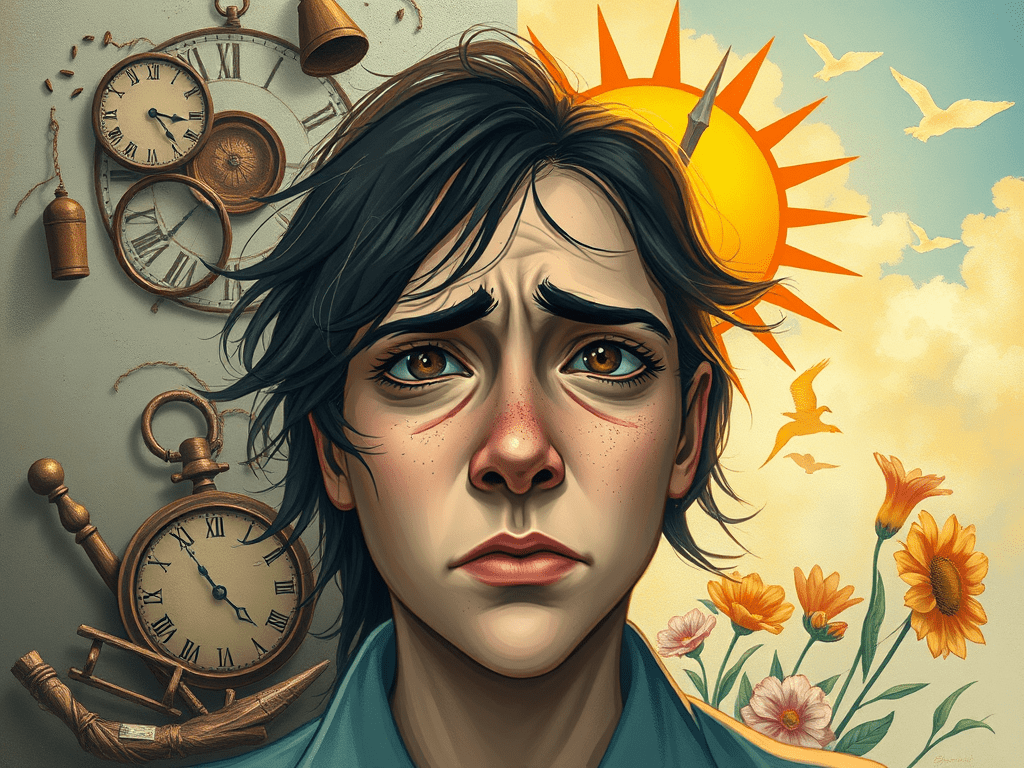
A long life, lived unconsciously, just gives you more years to rehearse the same wound.
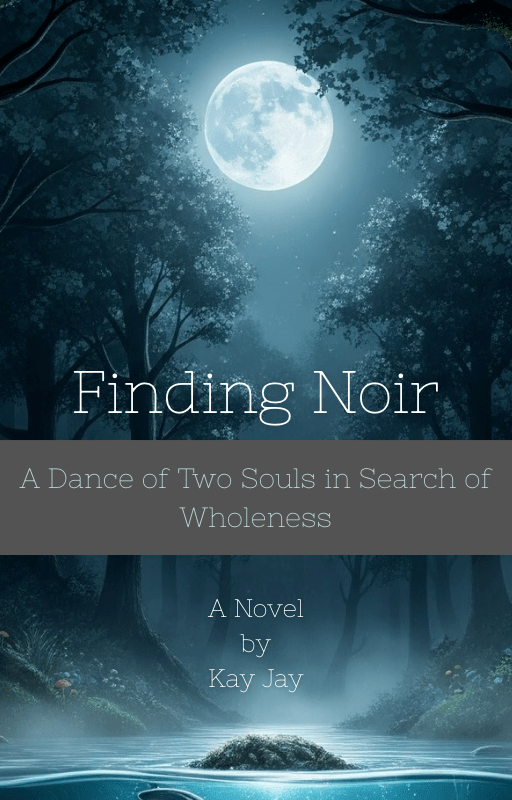
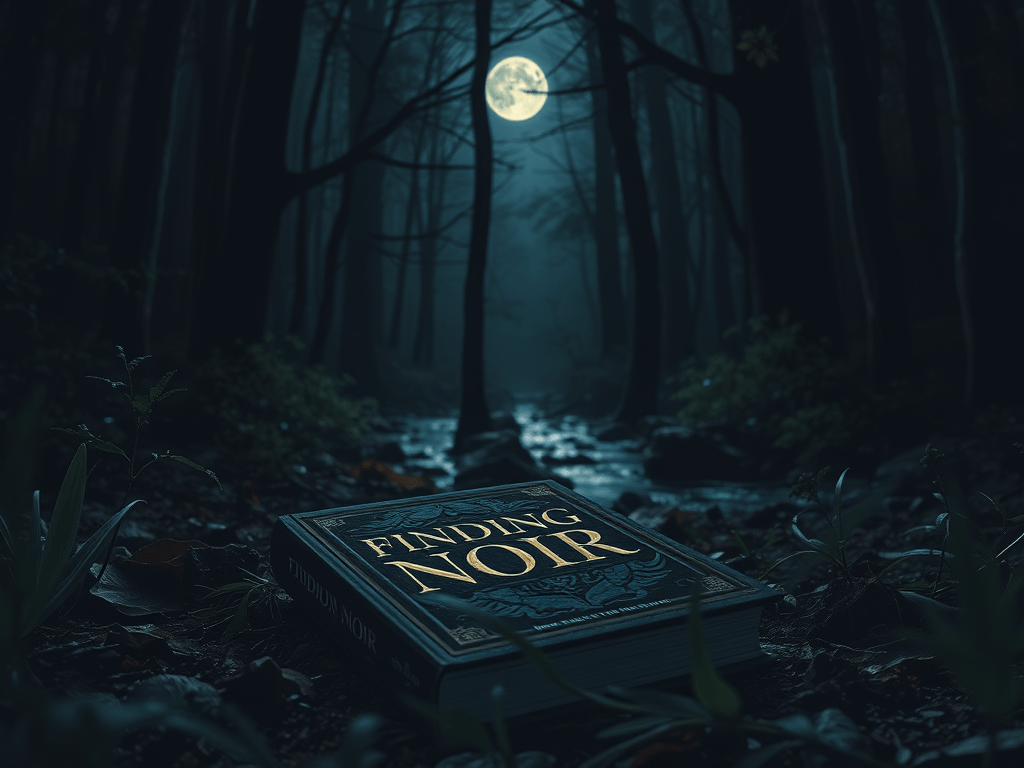
Finding Noir doesn’t argue against time. It questions how we use it. It explores what happens when a connection burns bright but doesn’t anchor—when intimacy happens in the psyche, the body, the language, but never stabilizes in reality. That kind of experience doesn’t age well unless it’s metabolized.
Because when something remains unresolved, it doesn’t stay in the past.
It stretches itself across decades.
The danger of a very long life isn’t boredom.
It’s carrying emotional archaeology you never excavated.
This book is about choosing depth over duration. About finishing what life didn’t. About understanding that some connections aren’t meant to last long—but they’re meant to last true.
And once you stop living for “more time,” something unexpected happens:
You start living for precision.
For presence.
For endings that are real.
For futures that aren’t built on deferred clarity.
If you’re going to live a long life,
make sure you’re not spending it waiting for a story that already ended to finally continue.
Finding Noir is for anyone who suspects that immortality without truth would be its own kind of prison—and is ready, instead, to live fewer years with their eyes open.



 Kay’s Odyssey
Leave a comment