Author: Kay’s Corner

  • From Pages to Healing: How Writing Helped Me Find Myself

    From Pages to Healing: How Writing Helped Me Find Myself

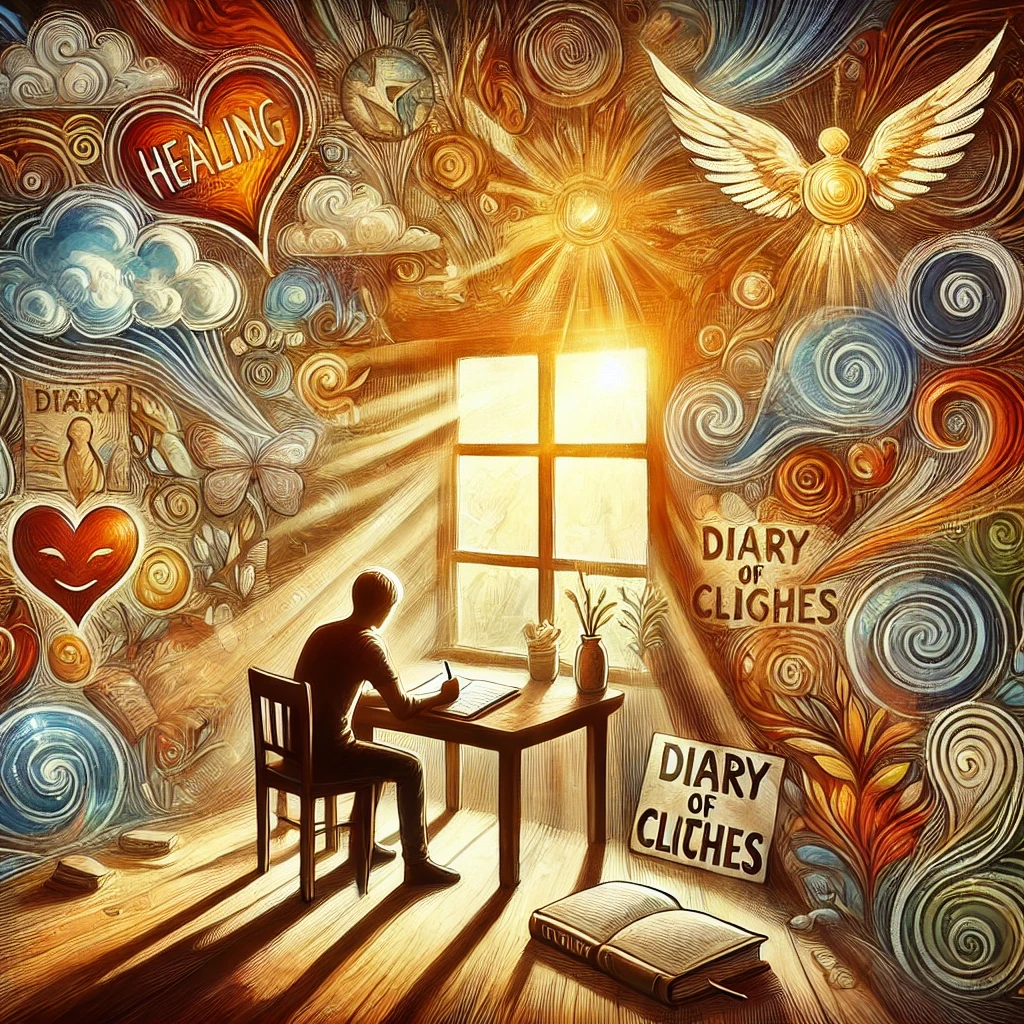
    A year ago, I found myself staring at a blank page, much like I was staring at a blank future. I had just lost my job—a role I had poured my heart into for years—and with it, I felt like I’d lost my identity. The uncertainty was suffocating, and the future seemed like an unwritten story with no plot in sight.

    In the midst of that chaos, I did something simple yet profound: I picked up a pen.

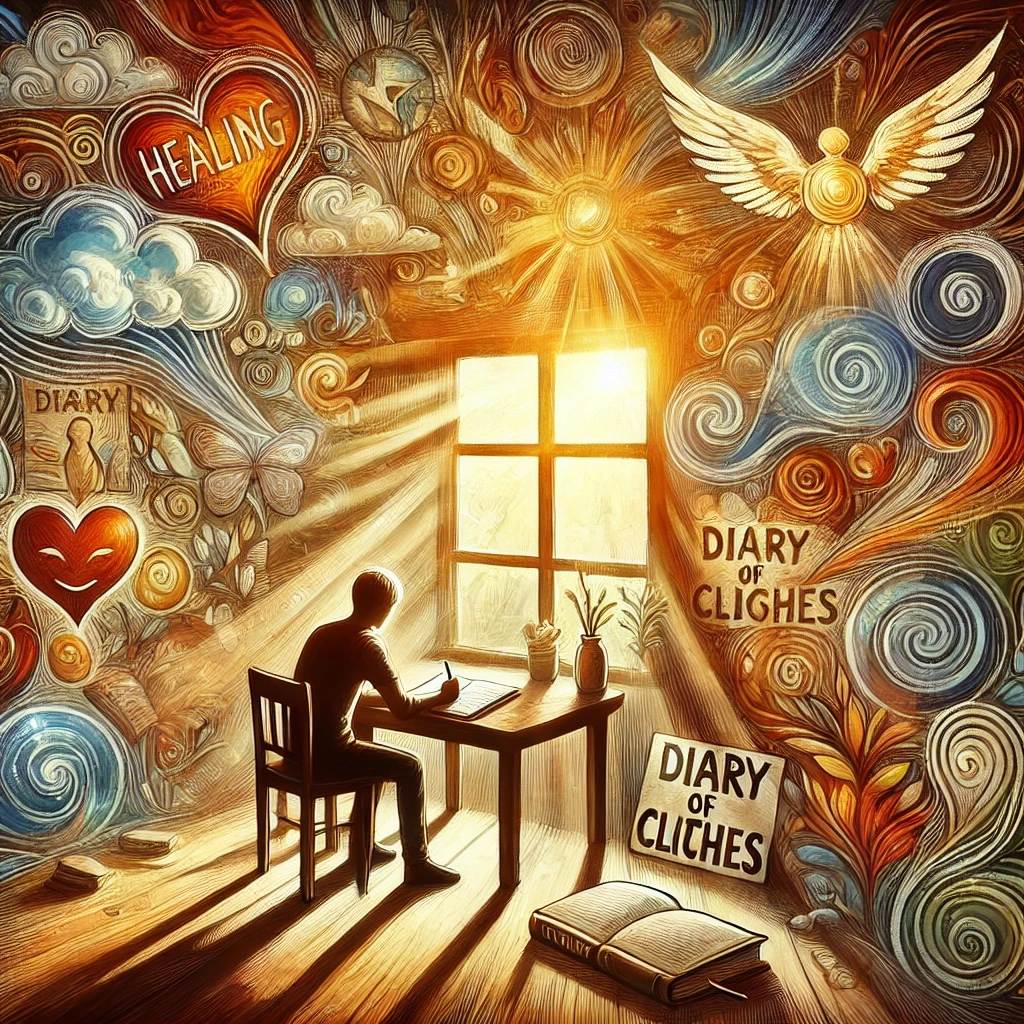
    At first, writing was just an act of survival—a way to vent the emotions swirling in my head. I scribbled down frustrations, fears, and dreams I hadn’t dared to speak aloud. But over time, something incredible happened. Writing transformed from a vent to a mirror. It reflected patterns I couldn’t see before, helped me make sense of my pain, and offered a path to healing.

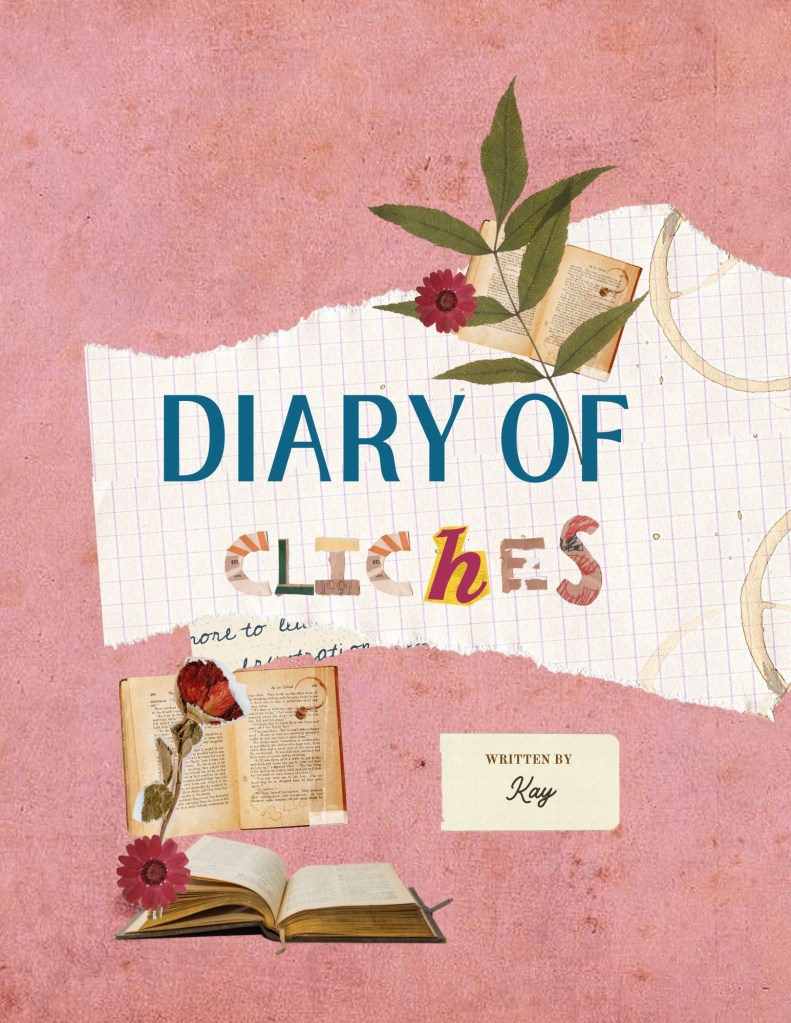
    This journey eventually became Diary of Clichés, my book that’s as raw and messy as life itself. But the story didn’t start there—it started with me rediscovering myself, one word at a time.

    The Therapy in Writing

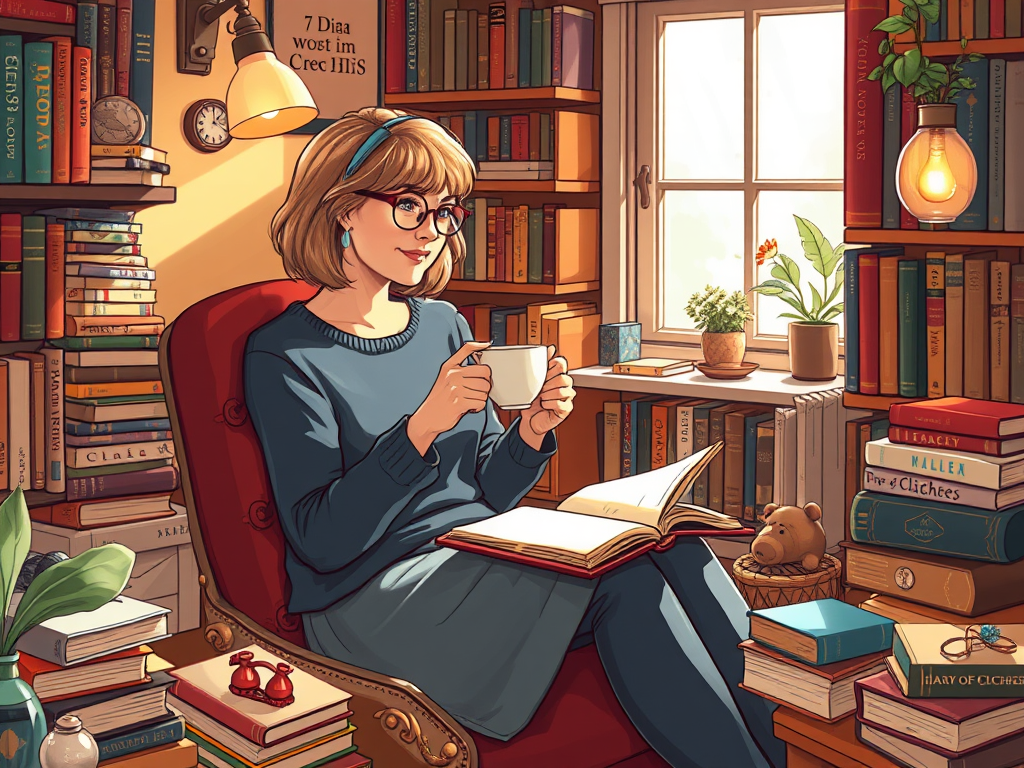
    There’s something deeply therapeutic about writing. It’s like having a conversation with yourself, minus the judgment or interruptions. Every entry in my journal was a safe space where I could be honest—whether it was about past relationships that broke me or dreams I was too afraid to chase.

    When I was grappling with heartbreak, writing gave me clarity. It showed me that my pain wasn’t just random; it was connected to patterns of self-sacrifice and longing for validation. When I felt like a failure after losing my job, writing reminded me that failure wasn’t the end—it was the beginning of reinvention.

    And it wasn’t just about analyzing the past. Writing also became a tool for dreaming again. I wrote down the life I wanted—not just the polished version others might admire, but the deeply personal dreams that made my soul light up. Slowly, the words on the page became my roadmap.

    The Messy Middle

    Of course, it wasn’t all neat resolutions and profound insights. Writing also forced me to confront uncomfortable truths about myself. Like the fact that I sometimes clung to clichés about love and success because they were easier than facing the reality of what I truly wanted.

    There were days when writing felt more like ripping open a wound than healing it. But even in those moments, it was worth it. The pain on the page was proof that I was processing, not ignoring. And with every page, I was reclaiming pieces of myself that I thought were lost.

    The Birth of Diary of Clichés

    As the months went by, I realized that the stories I was writing weren’t just for me. They were universal. Whether it was the heartbreak of unrequited love, the struggle to find purpose after a setback, or the quiet joy of rediscovering yourself, these were experiences so many people could relate to.

    That’s how Diary of Clichés was born—not as a polished self-help book with all the answers, but as a messy, honest exploration of what it means to be human. It’s a collection of stories, reflections, and truths that might just make you laugh, cry, or see your own life in a new way.

    Lessons I Learned Along the Way

    If there’s one thing writing taught me, it’s that healing isn’t a straight line. It’s a winding path full of detours, setbacks, and surprises. But here are a few lessons that stood out:

    1. Clichés Exist for a Reason

    The phrases we roll our eyes at—like “time heals all wounds” or “follow your heart”—carry a kernel of truth. Writing helped me see these clichés not as empty words but as reflections of universal experiences.

    2. Pain is a Teacher

    As much as we try to avoid it, pain has a way of teaching us the most valuable lessons. Writing about my struggles forced me to sit with them, understand them, and ultimately grow from them.

    3. You’re Not Alone

    The more I shared my stories, the more I realized how universal they were. There’s something incredibly comforting about knowing that others have walked similar paths and come out stronger.

    4. Dreams Evolve

    When I started writing, I thought my dreams were over. But writing showed me that dreams don’t die—they just change shape. Losing my job wasn’t the end of my story; it was the beginning of a new chapter.

    An Invitation

    If you’ve ever felt stuck, lost, or overwhelmed, I hope my story inspires you to pick up a pen. You don’t have to be a writer or have a perfect plan—just start. Write about your day, your dreams, your fears. Write the story you wish someone had told you when you needed it most.

    And if you’re curious about where this journey led me, I invite you to check out Diary of Clichés. It’s not just a book—it’s a conversation, a companion, and maybe even a spark to start your own journey of self-discovery.

    So here’s to the blank pages in our lives—may we fill them with stories that heal, inspire, and remind us of who we truly are.
  • Cliché & Courage: Finding Yourself Between the Lines

    Cliché & Courage: Finding Yourself Between the Lines

    What is your mission?

    My mission is to empower individuals to embrace their authenticity, rediscover their worth, and embark on a journey of self-healing. Through my book Diary of Clichés, I aim to create a relatable, humorous, and thought-provoking narrative that inspires readers to navigate the complexities of life, love, and personal growth with intention and self-compassion.

    By sharing my own experiences with heartbreak, boundaries, and the sometimes-painful process of self-discovery, Diary of Clichés invites readers to reflect on their own journeys in a safe, approachable way. It’s not just a book about overcoming struggles—it’s a guide to finding the humor, resilience, and strength within ourselves, even in the face of life’s toughest challenges.

    Through this work, I hope to make a dent in the realm of mental health and healing by breaking down the stigma surrounding emotional vulnerability and encouraging open conversations about our shared human experiences. My goal is to remind people that growth is not linear, healing is deeply personal, and life’s clichés—those universal truths—are there to guide us, not hold us back. By sparking self-awareness and fostering connection, Diary of Clichés is my way of contributing to a world where mental health is prioritized and healing is seen as an act of courage and self-love.

    Diary of Clichés is an integral piece of my mission. It encapsulates the themes of self-discovery, authenticity, and growth in a way that feels deeply personal yet universally relatable. At its heart, this book is about navigating life’s complexities—love, heartbreak, identity, and personal boundaries—while embracing the messy, imperfect beauty of it all. It is a reflection of my own experiences, lessons, and failures, but more importantly, it is a reminder that every cliché carries a kernel of truth waiting to be rediscovered.

    This book stands as a humorous and authentic exploration of the human condition. I wanted to create something that not only entertains but also empowers readers to rethink the narratives they’ve inherited. We often dismiss clichés as tired or uninspired, but what if they hold deeper meaning when viewed through the lens of our own lives? That’s the journey I hope to take readers on: a journey of unpacking, reimagining, and reclaiming those well-worn phrases to create something uniquely their own.

    Diary of Clichés is also about dating with intention, setting boundaries, and showing up as your authentic self in relationships. It stems from my personal experiences, including heartbreaks, flings, and the moments of clarity that emerged from them. Each chapter captures the rawness of navigating love and loss, while also offering insights into how these experiences shape who we are. By weaving humor into the narrative, I aim to make the process of self-reflection feel lighter, approachable, and even joyful, because growth doesn’t always have to be steeped in solemnity—it can be laced with laughter too.

    The book’s humor serves as a way to connect with readers, reminding them that they’re not alone in their missteps, awkward encounters, or moments of doubt. At the same time, it challenges them to ask themselves the hard questions: What do I truly want? Where have I been settling? How can I honor my own needs without fear of rejection or judgment? These questions lie at the core of Diary of Clichés, inviting readers to peel back the layers of societal expectations and step into their own truth.

    Above all, this book is a celebration of growth. It’s about turning pain into purpose, heartbreak into empowerment, and clichés into personal revelations. It’s about learning to laugh at life’s absurdities while still taking your journey seriously. Through Diary of Clichés, I hope to inspire readers to show up for themselves with courage, self-compassion, and a willingness to embrace the messy beauty of being human. Because in the end, life is one big cliché—and that’s what makes it extraordinary.

    My mission is to explore, heal, and inspire through the power of storytelling, spirituality, and authentic connection. At its core, this mission stems from my own journey—a winding path marked by profound highs and devastating lows, each moment shaping my perspective and deepening my understanding of life’s intricate beauty. It is through this lens that I hope to contribute something meaningful to the world, not by offering solutions or answers, but by extending the courage to ask the right questions, embrace vulnerability, and walk the uncharted roads of self-discovery.

    Storytelling is my foundation. Stories have the power to bridge worlds, uncover truths, and create shared spaces where humanity feels less fragmented. In my writing, I often reflect on personal themes—past traumas, spiritual revelations, and even the pain of broken relationships—not to dwell on sorrow but to show how even the most challenging chapters can lead to empowerment. Stories like Weekends with Loretta and Finding Noir stem from the depth of my own experiences but also serve as mirrors for others to see themselves. My work invites readers to peel back the layers of societal expectations and step into their authentic selves, no matter how unconventional or raw that may feel.

    But storytelling is only part of the mission. The second pillar is healing. My journey has taught me that healing is not linear; it is messy, painful, and deeply personal. It requires courage to sit with discomfort and compassion to forgive—yourself and others. I’ve come to see healing not as an endpoint but as a lifelong practice. Through my books, such as those focusing on essences and rituals, I aim to share tools that nurture this process. Whether it’s a chakra-aligned essential oil blend or a heartfelt ritual, these practices remind us that healing begins when we reconnect with our inner selves and honor our own journeys.

    Spirituality weaves through everything I do. It is the light that guides me, especially when the path feels dark. My spiritual connection with Noir, which inspired Finding Noir, reshaped my understanding of love, purpose, and the soul’s journey. It taught me that spirituality is not just about lofty ideals but about grounding those ideals in the real world—about living with intention, holding space for others, and being unafraid to face one’s shadow. My work reflects this by offering readers both inspiration and practical guidance to walk their own spiritual paths.

    Finally, there is the importance of authentic connection. In a world that often feels disconnected and performative, I believe in the power of honesty and vulnerability to bring people closer. Whether through the characters in my books, the stories I tell, or the rituals I craft, I strive to create moments of resonance—moments where someone feels truly seen. I want people to know they are not alone in their struggles, that their imperfections are what make them human and beautiful.

    Ultimately, my mission is not just about my own journey but about holding space for others to embark on theirs. I want to inspire people to ask: Who am I, beneath the layers of expectation? What lights me up? What wounds am I ready to heal? By exploring these questions, we become not just storytellers but creators of our own lives. Through my work, I hope to be a guide, a companion, and a spark—helping others find their way to themselves. In doing so, I believe we can collectively create a world that feels more compassionate, vibrant, and whole.

    My mission is to explore, heal, and inspire through the power of storytelling, spirituality, and authentic connection. I aim to create meaningful works that encourage self-discovery, foster resilience, and celebrate the beauty of transformation. Whether through books, rituals, or shared experiences, I hope to guide others on their journeys toward authenticity, empowerment, and inner harmony, while staying true to my own.

  • Balancing Ambition and Grounding: Embracing Challenges for Growth and Self-Discovery

    Balancing Ambition and Grounding: Embracing Challenges for Growth and Self-Discovery

    What are your biggest challenges?

    My biggest challenges are like juggling flaming torches while walking a tightrope stretched between two very different worlds. On one side, there’s the dream version of me—living in a sleek high-rise, navigating modern relationships with confidence, sipping on oat lattes, and effortlessly advocating for a life that’s bold, non-traditional, and unapologetically mine. On the other side is the grounded, culture-steeped version of me—back in India, surrounded by family, community, and tradition, rediscovering what it means to serve and belong.

    It’s the tension between those two versions of myself that often feels like the hardest part: reconciling the ambitious, adventurous dreamer with the deeply rooted, culturally attuned realist. Can I weave these two selves into one cohesive identity? Or will they always tug at me in different directions?

    Then there’s the challenge of living authentically while also being vulnerable enough to share my journey through writing. I pour my truth into every word I write, but that comes with its own set of insecurities: Will people understand me? Will they judge me? And, perhaps most pressingly, will they see their own truths reflected in mine?

    Writing itself is a challenge—one that I gladly accept but never underestimate. It’s like trying to catch a fleeting thought, holding it just long enough to shape it into something meaningful before it disappears. Some days the words flow like a river; other days, it feels like wringing water from a stone.

    Yet, for all its challenges, life has a funny way of offering answers in the most unexpected places. A hike through Yosemite, a late-night diary entry, a conversation with a friend—all of it reminds me that every challenge is also an opportunity to grow, to stretch, and to learn something new about myself.

    So, yes, my biggest challenges might feel like a balancing act on a tightrope, but isn’t that where the best views are?

  • Rooted in the Past, Dreaming of the Future: Finding Balance in the Present

    Do you spend more time thinking about the future or the past? Why?

    If you’d asked me this question a few years ago, I’d have said I was stuck in a perpetual replay of the past—grappling with old wounds, broken relationships, and missed opportunities. My mind was like a record stuck in the groove of “what if,” unable to move forward. I spent countless hours dissecting every moment, trying to understand how I got to where I was, like a detective piecing together clues to solve a mystery long past its expiration date.

    But life has a funny way of shifting your focus when you least expect it. Losing a job, moving back home, and rediscovering myself were moments that forced me to stop looking over my shoulder and start imagining what could be. Writing Diary of Clichés became a bridge between my past and future. It allowed me to examine the old stories I was telling myself—stories of heartbreak, loss, and longing—and rewrite them with hope, growth, and self-compassion.

    Now, my thoughts about the future take center stage. But it’s not the kind of future filled with rigid five-year plans or unchecked ambition. It’s a softer, more expansive vision—a dream of balance, of living authentically, and of giving myself permission to evolve. I think about the life I want to create, not because I’m running away from the past, but because I’ve learned to carry its lessons without letting them weigh me down.

    Still, I can’t pretend that I never glance backward. The past feels like an old friend—one who sometimes overstays their welcome but also reminds me of how far I’ve come. And when I find myself daydreaming about a future high-rise in Silicon Valley or imagining the duality of loving two people simultaneously, I know it’s my past fueling those visions, adding depth to the dreams.

    So, do I spend more time thinking about the future or the past? I’d say I linger in the space between. The past gives me context; the future gives me direction. Together, they keep me grounded yet hopeful, reminding me that every cliché about time—“the past is prologue” or “the future is unwritten”—holds a seed of truth worth exploring.

    In this in-between space, I’ve realized that neither the past nor the future is inherently good or bad—it’s how I choose to engage with them that matters. The past is where I’ve met the best and worst parts of myself. It’s where I learned resilience, through heartbreak and loss, and where I found my voice through vulnerability. But it’s also where I discovered patterns I didn’t want to repeat and beliefs that no longer served me.

    The future, on the other hand, feels like a canvas—sometimes intimidatingly blank, sometimes splashed with dreams that feel just a little too bold. It’s where I imagine the woman I want to become, someone who honors her creativity, builds meaningful connections, and lives with intention. But even as I dream, I’ve learned not to cling too tightly to those visions. Life, after all, has a way of surprising you—just like it did when I found healing in journaling or when moving home turned out to be the reset I didn’t know I needed.

    And Diary of Clichés is a reflection of this balance between past and future. Writing it forced me to look at my past without judgment and dream about my future without fear. It’s a collection of lessons, heartbreaks, and hopes that I’ve untangled and reshaped into something meaningful. It’s also a reminder to myself—and anyone who reads it—that our stories aren’t linear. They loop back on themselves, they pause, they leap forward in ways we can’t always predict.

    I suppose this is why I don’t think I’ll ever fully “move on” from my past or exclusively focus on the future. Both are too important to who I am. The past is where I found the courage to write, to face my demons, and to laugh at my mistakes. The future is where I get to experiment with what comes next—whether that’s finally making peace with the messy duality of my life or dreaming up a new story entirely.

    So maybe the answer isn’t about choosing one over the other but about learning how to hold both lightly. The past gives me roots; the future gives me wings. And somewhere in the present, I’ve found a way to exist in harmony with both—grateful for what’s been and hopeful for what’s yet to come.

  • Cultivating Meaningful Connections: A Personal Journey

    Cultivating Meaningful Connections: A Personal Journey

    What relationships have a positive impact on you?

    Relationships that have a positive impact on me are those that feel like safe havens and secure bases—a delicate balance of comfort and challenge. They’re the connections that allow me to stay rooted in the rhythm of the ordinary while also encouraging me to dream beyond it. These relationships don’t demand perfection or performance; instead, they celebrate authenticity, resilience, and growth.

    I think of the people who have shaped me in ways both profound and subtle. My parents, with whom I share a complex dance of tradition and individuality, have taught me the strength in cultural roots. Then there are friends like Loretta, who enter your life like a warm cup of tea on a rainy day, offering a quiet kind of wisdom that reshapes your understanding of love and support. Even the stories I’ve written—fictional characters like Noir and Kayra—feel like relationships in their own way, teaching me lessons about vulnerability, self-discovery, and spiritual connection.

    But perhaps the most impactful relationship is the one I’ve built with myself. It hasn’t been easy; there were times I felt invisible or unheard, times when self-doubt crowded out self-love. Yet, through journaling, writing, and introspection, I’ve learned to treat myself with the same kindness and curiosity I offer to others. This relationship has taught me that I’m allowed to evolve, to dream of lives that feel far from my current reality, and to embrace every cliché along the way.

    These relationships—be they with family, friends, fictional creations, or myself—aren’t about grand gestures or perfect harmony. They’re about showing up, being present, and holding space for growth. They’re about finding the people and moments that make you feel both grounded and limitless. And that’s exactly the kind of connection I hope to inspire through Diary of Clichés—because sometimes, the most impactful relationships start with a simple story.

    Through the pages of Diary of Clichés, I invite readers to examine the relationships in their own lives—those with others, with their dreams, and most importantly, with themselves. We often overlook the quiet, everyday connections that shape us in profound ways, just as we dismiss clichés as trivial. But within those seemingly mundane expressions and encounters lie universal truths, the kind that make you pause, reflect, and perhaps even smile knowingly.

    For me, the act of writing became a bridge between who I was and who I wanted to be. It gave me permission to explore the dichotomy of my dreams and reality—the Silicon Valley high-rise life I once imagined versus the cultural rootedness of my middle-class existence in India. It helped me reconcile the feelings of being torn between wanting adventure and craving stability, between daring to embrace the extraordinary and finding peace in the ordinary.

    And isn’t that what relationships, at their best, do for us? They challenge us to grow while reminding us of where we came from. They hold up a mirror, showing us our potential even as they ground us in our flaws. They allow us to be both dreamers and doers, to straddle the line between ambition and contentment.

    Some relationships feel fleeting yet transformative, like my brief encounters with new friends or even strangers who left a lasting impression. Others are steady and enduring, like the bond I’ve built with my family and closest confidants. And then there’s the complex, layered relationship I have with myself—a work in progress, but one that grows richer with each page I write, each story I tell.

    Through this journey, I’ve learned that relationships with a positive impact are not always easy or straightforward. They can be messy, imperfect, and sometimes even painful. But they’re also where we find our strength, our joy, and our purpose. Whether it’s the parent who teaches resilience, the friend who listens without judgment, or the diary that silently absorbs your thoughts, these relationships shape the story of who we are.

    So, when I think about the question, “What relationships have a positive impact on you?” I realize it’s not about the grand gestures or dramatic declarations. It’s about the quiet moments of connection, the spaces where you feel seen, heard, and valued. It’s about the people and experiences that help you uncover your authentic self, even if that journey takes you through heartbreak, healing, and a healthy dose of clichés.

    And as I continue to write, dream, and reflect, I hope that Diary of Clichés becomes a positive relationship for others—a companion to those navigating the twists and turns of life, offering solace, laughter, and perhaps a new way of seeing the world. Because at the heart of it all, that’s what relationships are meant to do: remind us that we’re never alone, that our stories matter, and that there’s always beauty to be found in the chaos of life.

  • Executive Education at Harvard: Lessons from a Unique Year

    Executive Education at Harvard: Lessons from a Unique Year

    What colleges have you attended?

    Of all the colleges I attended my experience at Harvard stands out the most.

    I attended Harvard to specialize in Business Analytics through the Harvard Business Analytics Program. It was a unique program for executives at the frontiers of Data Science and Machine learning. In many ways it was a pioneer experience where Harvard Business, John Paulson School of Engineering came together to tailor a unique experience for Executives pursuing Management in the field of Data and Engineering.

    Right around the end of our first trimester and the beginning of the second the World got hit by the pandemic.

    We were scheduled to attend two Immersive experiences after every trimester while finishing our coursework and attend virtual classes over a period of 24-months.

    But I had given myself one year to finish it all. And that year happened to be the year of the pandemic.

    So we had to finish it all virtually. The shift to an entirely virtual experience was both challenging and enlightening. Harvard adapted swiftly, leveraging cutting-edge technology to maintain the rigor and engagement of the program. Despite the physical distance, the sense of community among the cohort was remarkable. My classmates, accomplished professionals from diverse industries, brought an array of perspectives that enriched our discussions and collaborations.

    The virtual format did not dilute the intensity of the program. On the contrary, it demanded greater discipline and adaptability. The coursework was rigorous, and the immersive sessions, though held online, were meticulously planned to ensure interactive and practical learning. We explored real-world case studies, tackled complex datasets, and debated strategies for harnessing analytics to drive organizational transformation.

    Completing the program within a year during the pandemic required a heightened level of focus and commitment. Balancing the demands of the program with the uncertainties of a rapidly changing world was no small feat. Yet, it was during this period that I experienced some of the most profound growth, both professionally and personally.

    The program’s interdisciplinary approach, blending business acumen with engineering precision, equipped me with a deeper understanding of how data and machine learning can be leveraged to solve complex problems. The lessons learned extended beyond the technical; they included leadership, resilience, and the ability to navigate ambiguity—skills that are invaluable in any domain.

    Looking back, my time at Harvard during such a pivotal moment in history stands out as an extraordinary chapter in my journey. It was a testament to the power of adaptability, the value of collaboration, and the endless possibilities that arise when challenges are met with determination and innovation.

  • How Julia Child Inspired My COVID Recovery Through Cooking

    How Julia Child Inspired My COVID Recovery Through Cooking

    Daily writing prompt
    What makes you feel nostalgic?

    Today I feel nostalgic about food, Julia the show and Julie and Julia the movie and the numerous hours I have spent with Mrs. Child watching her do her magic in her beautiful kitchen.

    Julia Child has a very special place in my heart. She was my post-Covid late-night go-to haven. I remember those nights after a long day of remote work and a nice meal inspired by Mrs. Child, I used to go to the movie Julie and Julia, my favorite late-night watch, and fall asleep somewhere in the middle of the scene where she spoke to her favorite lobster, Lou…

    I got hit by Covid really bad. It was so bad that amidst the cognitive confusion and the brain fog, my taste buds forgot to taste. For me, the recovery from all the things I lost in COVID-19—my taste buds, my curves, my creativity—was a long road. That’s when I discovered the show Julia on HBO. And Julia brought me back on track—one recipe at a time.

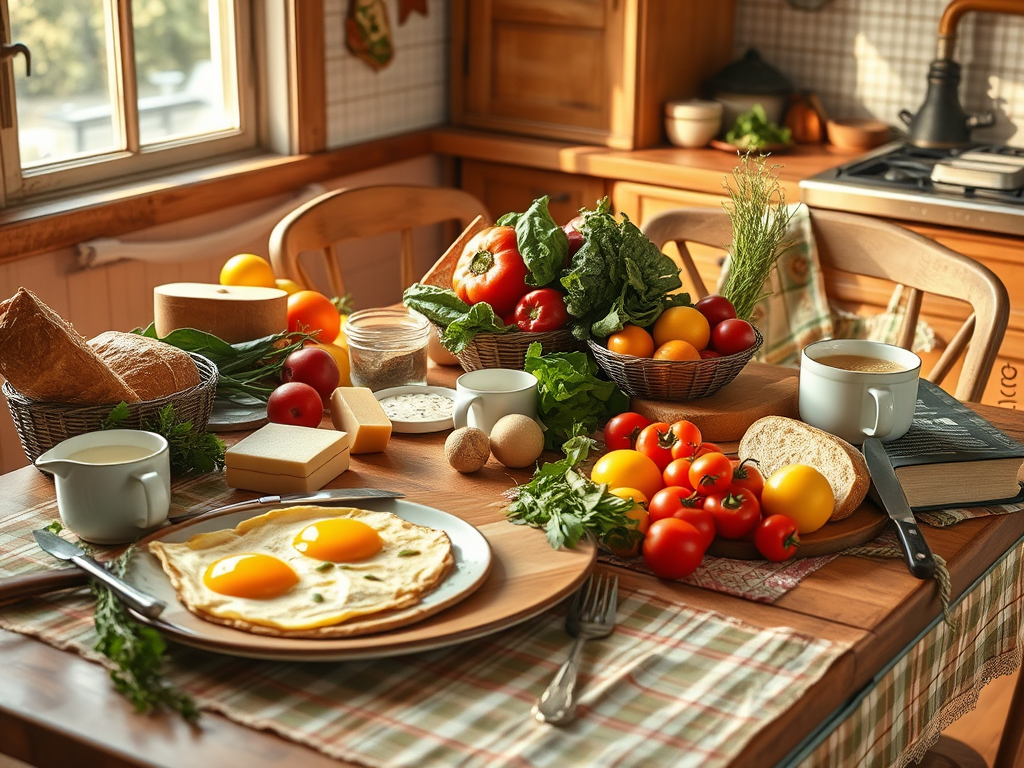
    I started my mornings trying to make eggs the way she did, pouring coffee the way she did, and tossing and twirling in the kitchen as she did.

    Julia became my support system, my food guru, and my creative confidante during my COVID recovery days. Maybe I sound like Julie from the movie, but maybe I had watched the movie so much—especially my subconscious mind—that I became the movie.

    There was something profoundly comforting about Julia Child’s voice, her mannerisms, her unapologetic love for butter and cream. She wasn’t perfect in the traditional sense, and that imperfection was her magic. It was what made me, in my vulnerable and battered state, feel seen.

    When you’re recovering from something as intense as Covid, there’s an odd loneliness that accompanies the process. Even if you’re surrounded by loved ones, it’s easy to feel detached—like a part of you is stuck somewhere else, struggling to catch up. Watching Julia Child whip up soufflés, debone ducks, and laugh at her own blunders reminded me that life is a series of imperfect attempts. And that trying, even when it feels messy, is worth it.

    I started small. One day, it was a simple omelet. Another, it was crepes. Slowly, my taste buds began to return, one dish at a time. I remember the moment I first tasted the rich, velvety warmth of her boeuf bourguignon recipe—it was like my taste buds were welcoming me home after a long absence.

    But it wasn’t just about food. Julia gave me permission to embrace creativity again. In her kitchen, there were no rules, no rigid standards—just joy, curiosity, and a willingness to make a mess in pursuit of something beautiful. I found myself not just cooking but writing again, sketching ideas, and tinkering with projects I had abandoned long ago.

    Julia wasn’t just teaching me how to cook; she was teaching me how to live. How to find joy in the mundane, how to laugh at my mistakes, how to embrace the process instead of fixating on the result.

    There’s a moment in Julia where she talks about the power of food to bring people together, to nurture and heal. That message hit me deeply. In a time when I felt disconnected from myself and the world, cooking Julia’s recipes became my way of rebuilding those connections. It was my love letter to myself, my family, and the little joys I had overlooked.

    Even now, long after my recovery, I find myself returning to Julia’s world. Her voice is a constant reminder that life is better when it’s seasoned with laughter, butter, and a pinch of perseverance.

    So, here’s to Julia—my late-night haven, my culinary muse, and my unexpected guide through the fog. In her own words, “Bon appétit!”

  • The Ultimate Reading & Writing Sanctuary

    The Ultimate Reading & Writing Sanctuary

    You get to build your perfect space for reading and writing. What’s it like?

    Dream Oceanfront Cave Retreat

    My dream reading and writing space feels like an intimate retreat carved into nature itself. Imagine a serene haven where the natural textures of limestone walls meet modern minimalism, blending effortlessly with the surrounding seascape. The golden light of sunset spills into the space, creating a warm, tranquil glow.

    Living Area: Cozy, oversized white sofas invite you to sink into their embrace as you dive into a story or jot down ideas. A textured jute rug grounds the room, while woven ottomans and wood accents connect the interiors to the earth. Floor-to-ceiling glass doors open directly to the cliffside patio, where ocean waves gently crash, providing a rhythmic backdrop to your thoughts.

    Kitchen & Dining: Steps away, an open-concept kitchen with organic stone finishes offers a space for reflection and creativity over a cup of coffee or tea. Its sleek simplicity complements the natural cave structure, while sunlight filters through arched openings, enhancing the sense of calm. A rustic dining bench invites you to sit and brainstorm while gazing at the horizon.

    Bedroom Sanctuary: A cozy cave-bedroom with a curved doorway leading to a private ocean-view terrace is the ultimate retreat. Linen bedding in neutral tones complements the earthy decor, and dried florals add a touch of timeless charm. A rattan chaise lounge positioned near the doorway offers a perfect spot to relax with a notebook, soaking in the sea breeze.

    This space is not just a room—it’s a timeless cocoon where creativity flows effortlessly, inspired by the raw beauty of nature and the comfort of thoughtful design.

    Every detail in this dream space is carefully curated to foster an environment of creativity, relaxation, and inspiration. The boundaries between indoors and outdoors blur, creating a seamless connection to nature. The gentle sound of waves crashing against the cliffs acts as an ever-present symphony, enhancing focus and providing moments of meditative calm.

    Reading Nooks and Writing Corners: Throughout the space, cozy corners are tucked into the natural contours of the walls. A low-slung, cushioned chair sits next to a carved stone shelf stacked with books, offering an intimate nook to lose yourself in stories. For writing, a simple wooden desk placed by an open archway provides an uninterrupted view of the horizon—perfect for letting your thoughts flow freely onto the page.

    Natural Light and Serenity: The interplay of light and shadow in the space is magical. The golden hour transforms the rough textures of the cave walls into warm, glowing canvases. Soft, sheer curtains can be drawn for diffused light, maintaining a dreamy ambiance as you read late into the afternoon or write in the early morning calm.

    Outdoor Elements: Stepping outside, a minimalist patio features handcrafted wooden loungers overlooking the endless ocean. A small stone fountain adds the gentle sound of trickling water to the ambiance, creating a serene backdrop for inspiration. Whether you’re jotting down ideas under the sun or unwinding with a book at dusk, the open-air setting provides a restorative experience.

    This is a sanctuary where time slows down and creativity thrives. The harmony of natural textures, breathtaking views, and intentional simplicity makes this space a haven for reading, writing, and reconnecting with your inner self. It’s not just a space—it’s an invitation to dream, imagine, and create.

  • Ho Ho Ho

    Ho Ho Ho

    🎄 The Spirit of Christmas 🎄

    As the world slows down, the air fills with laughter, the glow of twinkling lights warms every heart, and the smell of freshly baked treats wafts through cozy homes—it’s Christmas.

    This season is a gentle reminder of all that truly matters:

    ✨ Kindness that lights up someone’s world.

    ✨ Generosity that expects nothing in return.

    ✨ Love that bridges gaps and brings us closer.

    Let’s celebrate not just with gifts but with moments—shared stories, hearty laughs, and quiet gratitude for the people who make life meaningful. Whether it’s a call to a distant friend, a hug to a loved one, or a simple act of care for someone in need, let’s spread the magic of this season far and wide.

    Wishing you a Christmas filled with joy, peace, and the warmth of togetherness. 🌟

    #MerryChristmas #TheMagicOfChristmas #LoveAndLight

  • Exploring Life Lessons with Kay: Diary of Clichés Podcast

    Exploring Life Lessons with Kay: Diary of Clichés Podcast

    Welcome to Diary of Clichés, a podcast hosted by Kay, the storyteller behind Kay’s Odyssey and the author of the bestselling book Diary of Clichés. Here, Kay shares her personal journey through secret confessions, tales of adventure, and bittersweet lessons learned along the way, while inviting you to explore your own story. In this candid and captivating podcast, Kay dives into: 📚 The Healing Power of Books: From Sylvia Plath’s poignant poetry to the transformative wisdom in Women Who Run with the Wolves, and of course, the life lessons in her own Diary of Clichés, Kay reflects on how mindful reading and writing can change your perspective. 😂 Funny and Awkward Moments: Laugh along as she shares her unexpected encounter with Ashton Kutcher at a hackathon tackling human trafficking and child abuse, causes close to her heart. ✈️ The Magic of Travel: Relive Kay’s love affair with the electric charm of San Francisco and the transformative experiences that travel can bring. 🍿 Food & Film: Celebrate the unsung hero of cinema—food!—as Kay discusses how it can upstage even the most dramatic plot twists. ❤️ Love & Relationships: Drawing from her own Diary of Clichés, Kay unpacks the complexities of modern relationships with personal musings and heartfelt short stories. 🍛 Family Dynamics: Laugh along as she explores the chaos, humor, and love bubbling in the modern Indian kitchen. 🎤 Public Speaking & Improv: Discover how Toastmasters and improv turned Kay into a confident speaker, and how Diary of Clichés became a testament to her storytelling journey. 📖 Nostalgia for Childhood Books: Revisit the beloved books of Kay’s childhood and the lasting impact they’ve had on her life—and how her own book might just become a favorite for someone else. With relatable stories, humor, and heartfelt insights, Diary of Clichés celebrates the universal experiences that connect us all. Kay proves that even the most familiar tropes—those clichés we all know—can hold profound meaning and unexpected beauty. Grab your copy of Diary of Clichés, tune into the podcast, and start uncovering the magic in your own story.

    Episode 1: Diary of Cliches: Introducing Kay

    Welcome to Diary of Clichés, a podcast hosted by Kay, the storyteller behind Kay’s Odyssey and the author of the bestselling book Diary of Clichés. Here, Kay shares her personal journey through secret confessions, tales of adventure, and bittersweet lessons learned along the way, while inviting you to explore your own story.

    In this candid and captivating podcast, Kay dives into:

    • 📚 The Healing Power of Books: From Sylvia Plath’s poignant poetry to the transformative wisdom in Women Who Run with the Wolves, and of course, the life lessons in her own Diary of Clichés, Kay reflects on how mindful reading and writing can change your perspective.
    • 😂 Funny and Awkward Moments: Laugh along as she shares her unexpected encounter with Ashton Kutcher at a hackathon tackling human trafficking and child abuse, causes close to her heart.
    • ✈️ The Magic of Travel: Relive Kay’s love affair with the electric charm of San Francisco and the transformative experiences that travel can bring.
    • 🍿 Food & Film: Celebrate the unsung hero of cinema—food!—as Kay discusses how it can upstage even the most dramatic plot twists.
    • ❤️ Love & Relationships: Drawing from her own Diary of Clichés, Kay unpacks the complexities of modern relationships with personal musings and heartfelt short stories.
    • 🍛 Family Dynamics: Laugh along as she explores the chaos, humor, and love bubbling in the modern Indian kitchen.
    • 🎤 Public Speaking & Improv: Discover how Toastmasters and improv turned Kay into a confident speaker, and how Diary of Clichés became a testament to her storytelling journey.
    • 📖 Nostalgia for Childhood Books: Revisit the beloved books of Kay’s childhood and the lasting impact they’ve had on her life—and how her own book might just become a favorite for someone else.

    With relatable stories, humor, and heartfelt insights, Diary of Clichés celebrates the universal experiences that connect us all. Kay proves that even the most familiar tropes—those clichés we all know—can hold profound meaning and unexpected beauty.

    Grab your copy of Diary of Clichés, tune into the podcast, and start uncovering the magic in your own story.