Category: Books We Read

  • The Myth of the Dream Job

    The Myth of the Dream Job

    Daily writing prompt
    What’s your dream job?

    The question is deceptively simple. It appears at dinner parties, on application forms, in coaching sessions, and in the quiet corners of our own minds. What’s your dream job?

    Most people answer with a title. Author. Founder. Artist. Consultant. Professor. Something that fits neatly into a LinkedIn headline and earns polite nods of approval. But the longer I sit with this question, the more I realise that job titles are a convenient distraction. They are placeholders for something deeper we are often afraid to name.

    Because what most of us are really searching for is not a job.
    It is meaning with momentum.
    It is expression without invisibility.
    It is work that matters—and is seen to matter.

    This is where the question becomes uncomfortable.

    The Myth of the Dream Job

    The modern myth suggests that if you find your dream job, everything else falls into place. Fulfilment. Recognition. Financial stability. Validation. The market, we’re told, will reward authenticity.

    But anyone who has tried to build something original—especially in the creative or intellectual economy—knows how fragile this myth is.

    You can do work that is thoughtful, rigorous, emotionally honest—and still be ignored.

    You can write a book that carries years of lived experience and deep insight—and watch it disappear into the algorithmic abyss.

    The silence that follows is not just professional. It is existential.

    This is the moment most people don’t talk about when they talk about dream jobs.

    When Passion Meets the Market

    A dream job today often involves creating rather than merely occupying. Writing books. Building platforms. Offering ideas, frameworks, perspectives. We are told to “share our voice” and “put our work out there.”

    What we are rarely taught is how the market listens.

    The gap between creative intent and market response is where many dream jobs quietly die. Not because the work lacks quality, but because its creator mistakes depth for visibility, sincerity for resonance, and effort for alignment.

    This is especially true in publishing.

    Writing a book feels like the ultimate expression of intellectual authority. It is slow work. Solitary work. Honest work. And when the book doesn’t sell, the conclusion many authors draw is painfully personal: Maybe my work isn’t good enough.

    In reality, the failure is rarely artistic. It is structural.

    Authority Is Not What We Think It Is

    We often assume authority comes from expertise alone. From knowing more. From having lived more. From having something “important” to say.

    But authority, in the real world, emerges at the intersection of three forces:

    • Clarity of message
    • Emotional resonance
    • Market positioning

    Miss one, and even the most intelligent work struggles to survive.

    This is the uncomfortable truth behind many dream jobs that stall. We learn the craft. We refine the thinking. We do the inner work. But we never learn how value is perceived, not just created.

    And perception, whether we like it or not, is shaped by psychology, language, and money.

    The Silent Education Gap

    No one tells you that selling a book—or an idea—is not a betrayal of integrity. It is an act of translation.

    The market does not reject nuance; it rejects confusion. It does not punish depth; it punishes obscurity. And it does not reward effort; it rewards connection.

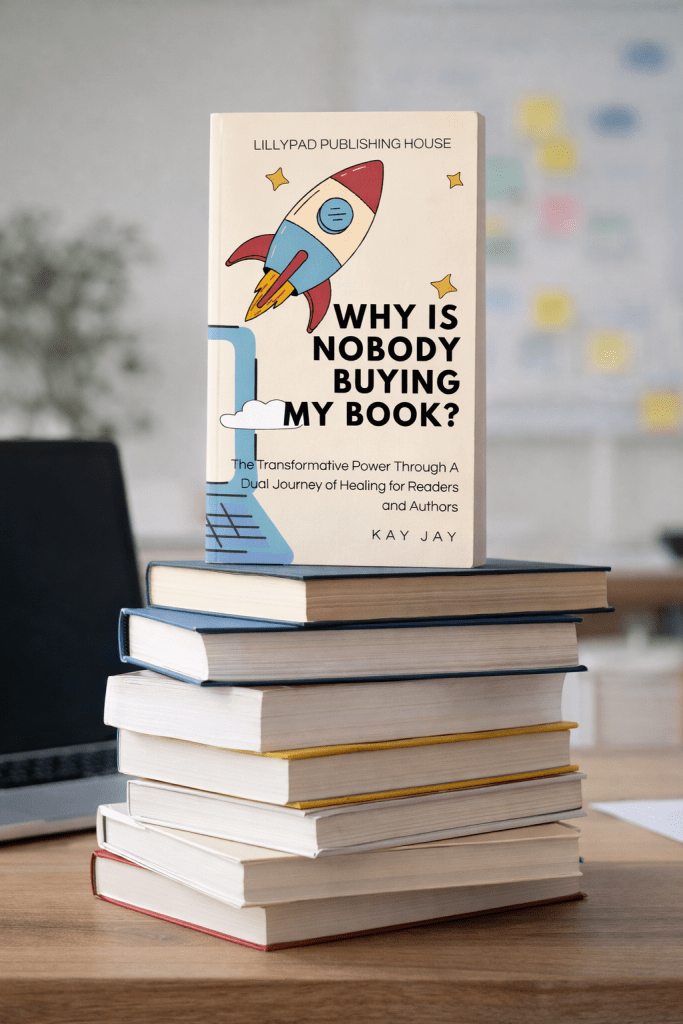
    This gap—between what creators believe should matter and what actually reaches people—is what inspired Why Is Nobody Buying My Book? Not as a marketing manual, but as a mirror.

    Because the real crisis isn’t unsold books. It’s the quiet erosion of confidence that follows. The slow decoupling of self-worth from work. The temptation to either shout louder or disappear entirely.

    Neither leads to a dream job.

    Redefining the Dream

    A dream job, I’ve come to believe, is not one where you are endlessly inspired. It is one where your work travels. Where it finds its readers, users, clients, or audience without requiring you to become someone you are not.

    It is work that understands the emotional economy it operates in. That respects attention as a scarce resource. That speaks with people, not at them.

    It is also work that allows you to remain whole when outcomes fluctuate.

    Because markets are unpredictable. Algorithms shift. Sales dip. Silence returns. The dream job is not immune to these realities—it is resilient in the face of them.

    The Question Beneath the Question

    So when someone asks, What’s your dream job? I no longer answer with a role.

    I answer with a condition.

    To create meaningful work.
    To understand how it lands.
    To bridge the gap between inner truth and outer traction.
    To remain intact when the market responds slowly.

    That, ultimately, is what most creators are searching for—whether they are writing books, building businesses, or offering ideas to the world.

    And that is the conversation we need to have more honestly.

    Not just about dreams—but about what it takes for them to survive contact with reality.
  • You Don’t Need To Be A Leader To Lead

    You Don’t Need To Be A Leader To Lead

    Daily writing prompt
    What makes a good leader?

    A good leader isn’t the loudest voice in the room. It’s the one that stays steady when the room gets noisy.

    I didn’t learn this in a leadership workshop or from a glossy business book. I learned it the slow way—through moments that felt anything but instructional at the time. Moments of uncertainty, exhaustion, reinvention, and the quiet reckoning that comes when the rules you thought were fixed suddenly change overnight.

    For a long time, I believed leadership meant endurance. That if I just worked harder, stayed sharper, said yes more often, and pushed through discomfort, everything else would fall into place. This belief was rewarded—until it wasn’t. The higher I climbed, the more invisible the cracks became. Burnout doesn’t announce itself with drama. It seeps in quietly, turning decisiveness into hesitation and confidence into fatigue. I learned quickly that burnout isn’t a personal failure; it’s a leadership problem—because it spreads. A tired leader doesn’t just suffer alone. The exhaustion ripples outward.

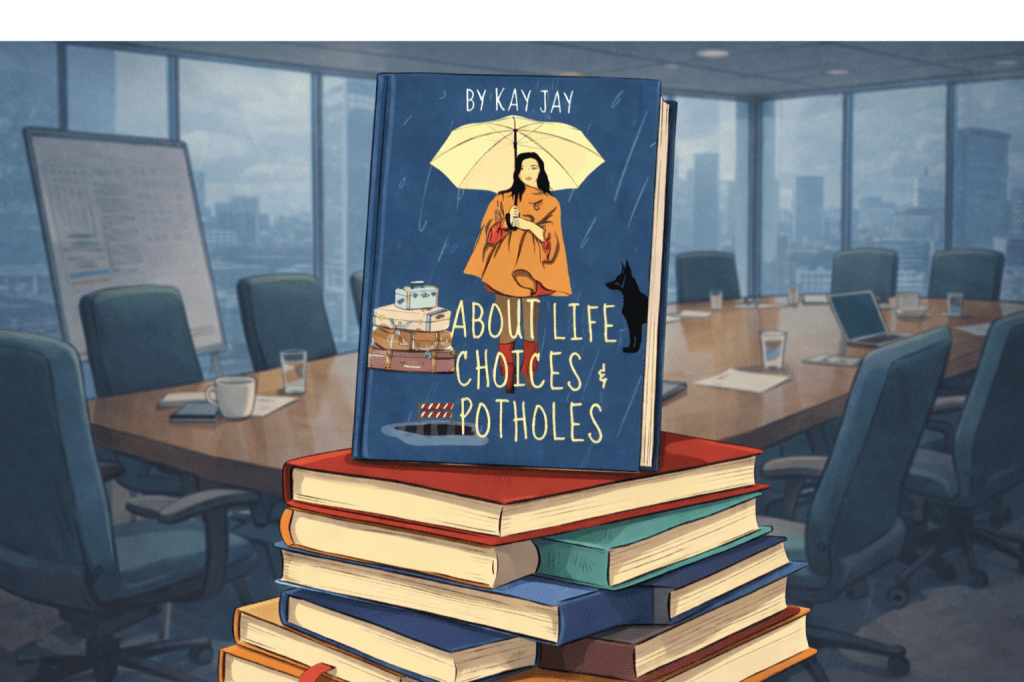
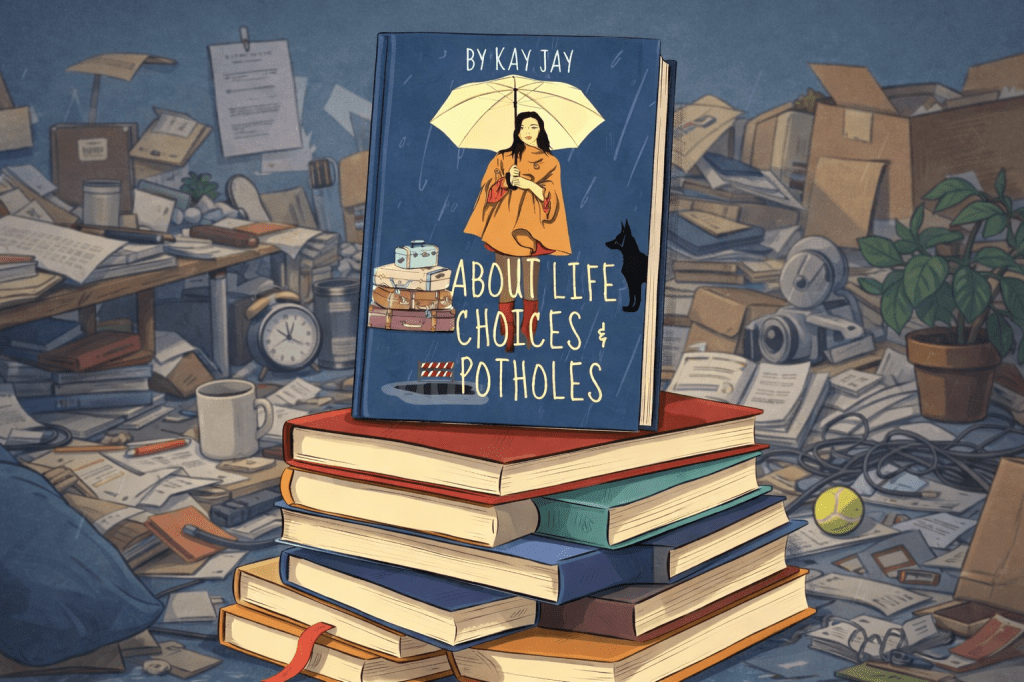
    In About Life Choices & Potholes, leadership appears not as authority, but as responsibility—to oneself first, and then to others. One of the hardest lessons I had to learn was when to pause instead of push. In professional spaces, momentum is worshipped. Pausing is often misread as weakness. But there were moments when stopping—taking stock, admitting I didn’t have all the answers—was the most honest form of leadership I could offer.

    Some of my most defining leadership moments came when information was incomplete. When decisions had to be made without certainty—during visa upheavals, career disruptions, and organizational changes that offered no clear playbook. I learned that leadership is rarely about making the right decision. It’s about making a thoughtful one, standing by it, and being willing to course-correct without ego.

    I also learned how easily “being dependable” can turn into self-erasure. I was often the one holding space—for teams, for friends, for family—believing that leadership meant being endlessly available. Over time, I realized that holding space for others while abandoning yourself is not leadership; it’s slow attrition. A leader who disappears internally cannot show up fully for anyone else.

    The leaders who stayed with me—who shaped how I now think about work and life—were not the ones with the most polished answers. They were the ones who listened before reacting. Who acknowledged uncertainty instead of masking it. Who understood that clarity is far more powerful than control.

    Leadership today exists in a landscape of constant change. Policies shift. Markets move. Personal lives intersect with professional demands in ways we can no longer pretend are separate. In this environment, certainty is an illusion. The strongest leaders I know don’t pretend the road is smooth. They walk alongside their teams, naming the potholes as they appear and trusting people enough to navigate them together.

    A good leader doesn’t promise ease. They offer steadiness.

    They don’t dominate the room. They anchor it.

    And perhaps most importantly, they understand that leadership is not about having all the answers—it’s about creating enough trust that people are willing to walk with you, even when the path ahead is unclear.

  • Where Earth Meets The Sky

    Where Earth Meets The Sky

    Daily writing prompt
    Write about your first name: its meaning, significance, etymology, etc.

    My first name, Kshitija, comes from Sanskrit. It means that which is born of the earth—the horizon where sky and land meet, a liminal line that exists not as a thing you can touch, but as a promise you keep walking toward. It is a word rooted in soil and sky at once, carrying the weight of belonging and the ache of longing. A name that suggests expansion without arrival, grounding without stagnation. From the beginning, it implies a life lived in between: between places, between selves, between what is and what could be.

    That is where Kayra was born—from the same threshold. Though her name travels a different linguistic road, its spirit mirrors mine. Kayra, in many cultures, is associated with creation, continuity, and the unseen force that moves through nature rather than dominates it. Where Kshitija is the horizon, Kayra is the wind that moves toward it—not hurried, not fixed, but inevitable. Both names carry a quiet resilience, a femininity that does not perform itself loudly but endures, observes, holds.

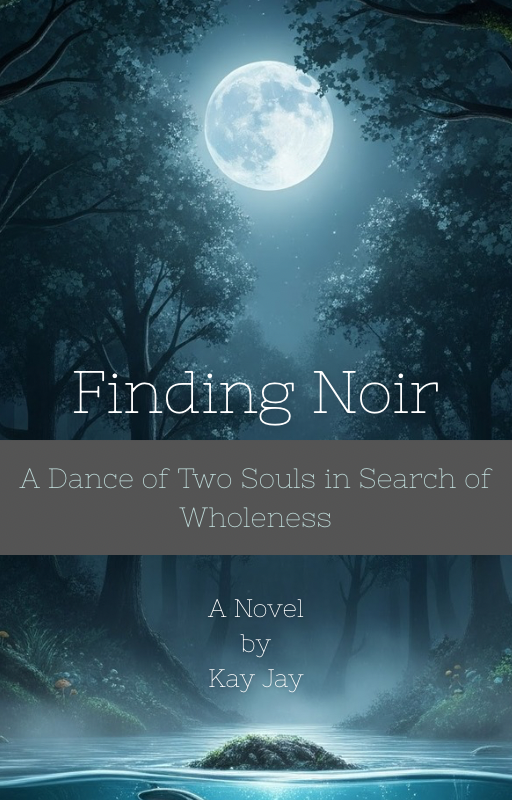
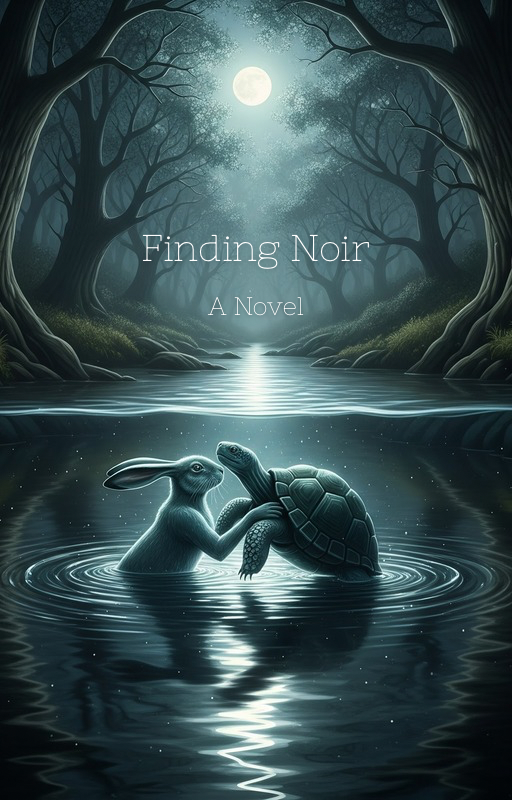
    In Finding Noir, Kayra does not chase meaning; she recognizes it as something that unfolds through presence. Much like my name, her journey is not about conquest or arrival but about learning to stay—with uncertainty, with love, with absence. Kshitija taught me early that I would never be just one thing or belong to just one place. Kayra lives that truth on the page. She is not the destination of my story; she is its horizon.

    In that way, writing Kayra felt less like invention and more like translation. Of taking the essence of my name—its earthiness, its quiet vastness, its eternal in-between—and letting it walk, speak, love, and lose. Both Kshitija and Kayra stand at the edge of something immense, not to cross it, but to witness it. And perhaps to invite the reader to stand there too.

    And standing there—at that edge—does something subtle but irreversible. It strips away the urgency to define, to label, to arrive. The horizon teaches patience. It teaches that distance is not denial, and waiting is not weakness. Kshitija, as a name, carries this lesson quietly: you do not collapse into what you love, nor do you possess it. You remain present, rooted, and receptive.

    Kayra inherits this wisdom not as philosophy, but as instinct. When Noir runs, when silence replaces certainty, she does not shrink to fill the void. She expands around it. This is the inheritance of the horizon—to hold vastness without panic. To understand that what leaves is not always lost, and what stays is not always visible. Kayra’s strength is not in pursuit, but in her capacity to remain open without self-erasure.

    There is a particular loneliness in being named after a threshold. People expect decisiveness, arrival, resolution. But Kshitija—and Kayra—know better. They know that some lives are meant to be lived in motion, not forward, but inward. That love can be real even when it is unconsummated, unfinished, or unreturned in the ways stories usually demand.

    In writing Finding Noir, I realized that Kayra was not my alter ego; she was my echo. She spoke the parts of me that learned to trust the unseen—to trust that meaning does not always announce itself with permanence. Sometimes it appears as a fleeting glance, a shared stillness, a resonance that survives separation.

    If Kshitija is the place where earth meets sky, then Kayra is the act of standing there without asking the horizon to come closer. And Noir—perhaps—was never meant to be held, only encountered. A reminder that some connections exist not to anchor us, but to awaken us.

  • Making Honest Work in a Measured World

    Making Honest Work in a Measured World

    What is your mission?

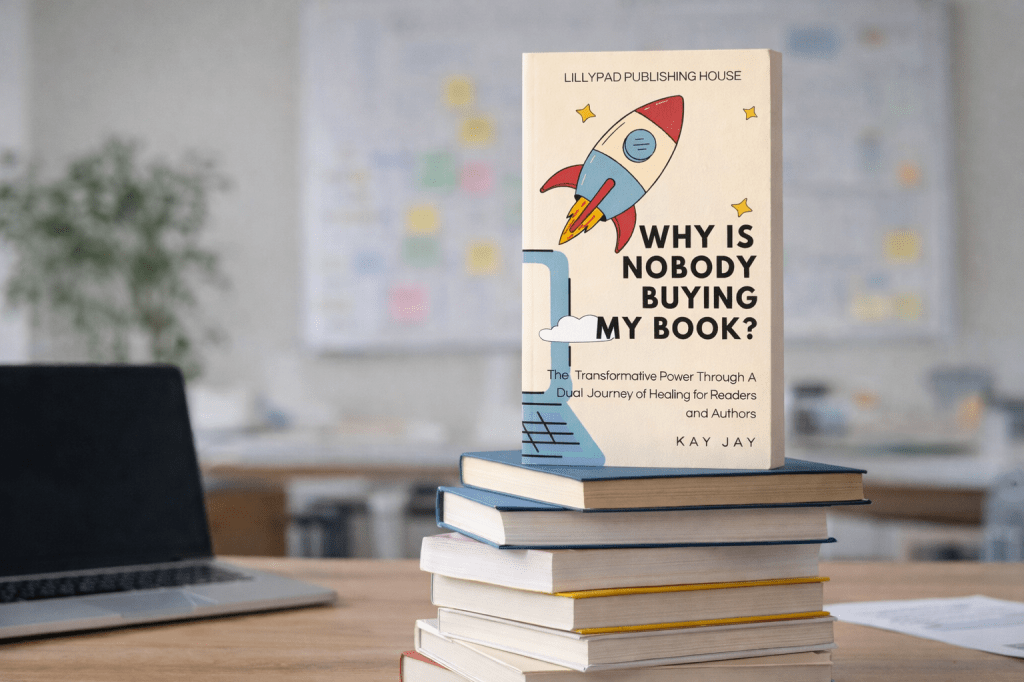
    Why Is Nobody Buying My Book

    The first time I asked the question, I laughed.

    The second time, I didn’t.

    This book exists at the intersection of creativity and capitalism, sincerity and visibility. It examines what it means to make work that matters to you in systems that reward what performs best.

    Rather than rejecting ambition or romanticizing obscurity, this book stays with the tension. It asks how to remain truthful while participating in economies that demand translation.

    My mission here is not reassurance. It is companionship—for artists navigating the quiet despair of metrics, algorithms, and unanswered effort.

    If you’ve ever wondered whether integrity has a place in public life, this book does not answer the question. It sits with it.

    Why Is Nobody Buying My Book?
  • The Invisible Clutter Of Burden

    The Invisible Clutter Of Burden

    Where Can You Reduce Clutter in Your Life?

    For the longest time, I believed clutter was a physical problem. Too many books on the shelf. Too many cables in drawers whose original purpose no one remembered. Too many mugs for a person who drinks tea from exactly one favorite cup.

    So I did what most of us do. I organized. I donated. I folded. I labeled.

    And yet, the noise remained.

    It took a life reset—one I didn’t plan, didn’t ask for, and certainly didn’t romanticize—to realize that the real clutter in my life wasn’t visible. It lived elsewhere. In decisions postponed. In identities I carried long after they stopped fitting. In the quiet pressure to explain myself to everyone but me.

    When I moved back to India after two decades in the U.S., I arrived with two suitcases and an unsettling amount of emotional excess. Jet lag peeled me open. The airport smelled like disinfectant, overripe fruit, and familiarity I wasn’t ready to embrace. Everyone moved fast. I moved cautiously. I had less stuff than I’d ever owned—and more mental clutter than ever before.

    Clutter, I learned, doesn’t announce itself as chaos. It disguises itself as responsibility.

    I had cluttered my life with “shoulds.”
    I should stick it out a little longer.
    I should aim higher.
    I should be grateful, not confused.
    I should already know who I am by now.

    These thoughts piled up quietly, like unopened mail. Each one harmless on its own. Together, overwhelming.

    Career clutter was the heaviest. Titles I no longer believed in. Definitions of success that felt borrowed. Resumes that flattened entire decades of living into bullet points that read like a stranger’s life. I kept polishing them, convinced clarity would arrive in the next version. It didn’t.

    Then there was relational clutter—the conversations replayed in my head long after they had ended. The people I kept holding space for while standing in the dark myself. The breadcrumbs I mistook for nourishment.

    At some point, exhaustion does what discipline cannot. It forces honesty.

    I stopped trying to optimize my life and began subtracting instead.

    I reduced clutter by letting go of the need to justify my choices. By accepting that not every pothole needs a lesson immediately. By allowing my days to be quieter, slower, less impressive.

    I reduced clutter by trusting my body—its hunger, its fatigue, its instinct to pause. By fasting not to purify, but to listen. By realizing that I didn’t need a diagnosis to explain my sensitivity or restlessness. I didn’t need a label to be allowed to be me.

    And perhaps most importantly, I reduced clutter by loosening my grip on certainty.

    Life didn’t become simpler overnight. But it became lighter.

    Clutter isn’t always about excess. Sometimes it’s about holding on too tightly to a version of yourself that once made sense.

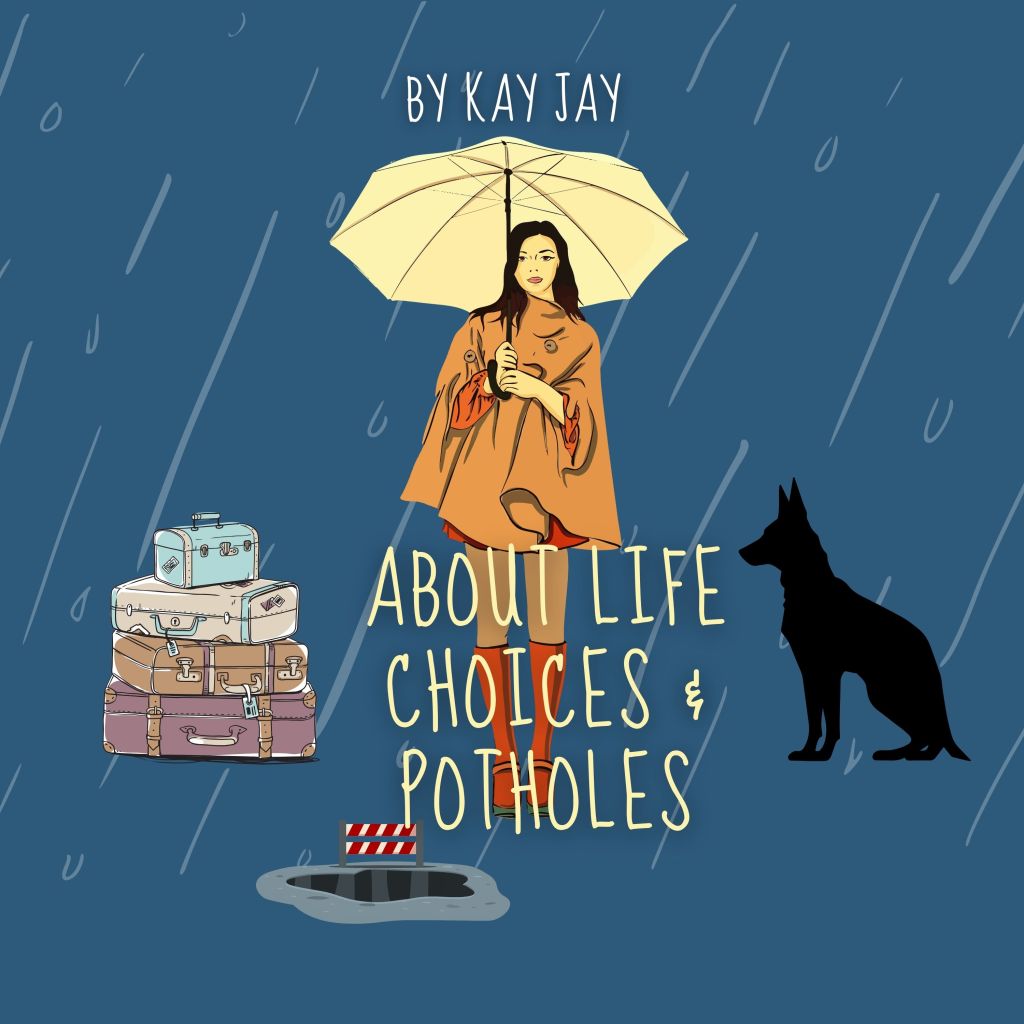
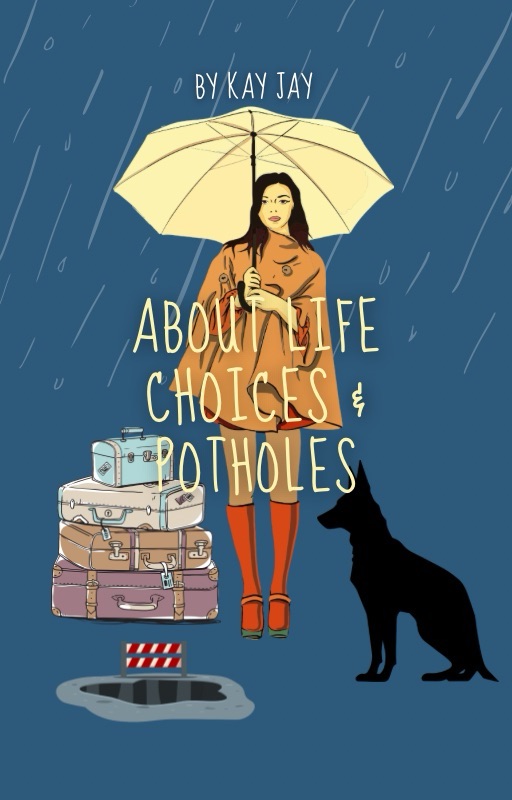
    About Life Choices & Potholes is a story about those moments—when subtraction becomes survival, and letting go becomes the bravest decision you make.

    If you’re feeling overwhelmed, maybe the question isn’t what you need to add.

    Maybe it’s what you’re finally ready to release.

  • The Hare And The Tortoise

    The Hare And The Tortoise

    What’s your favorite animal?

    For the longest time, I didn’t have an answer. Or rather, I had many—changing with the season, with the mood, with the version of myself I happened to be inhabiting that year. But if I’m honest, the answer that has followed me most faithfully is this: the tortoise and the hare.

    Not as animals in the wild, but as archetypes. As ways of moving through the world.

    The tortoise knows something the world keeps forgetting. That life is not a sprint. That arrival is less important than attention. That wisdom accumulates quietly, like sediment, invisible until it becomes unshakeable. The tortoise doesn’t rush toward meaning; she lets meaning meet her where she stands. She carries her home on her back. She doesn’t abandon herself to be loved.

    And then there is the hare. Brilliant, restless, dazzling in motion. The hare is desire incarnate—speed, charm, urgency. He lives in the future tense, always chasing the next horizon, always one step ahead of his own fear. The world applauds the hare. He looks like freedom. But what no one tells you is that speed is often a disguise. Sometimes, the fastest ones are running from something they don’t yet know how to hold.

    Finding Noir was born from this tension.

    Kayra is the tortoise—not because she is slow, but because she is deliberate. She stays. She listens. She holds space even when it costs her something. Noir is the hare—quick to love, quicker to flee. He runs not because he doesn’t care, but because caring asks him to stop.

    This is not a fable about who wins. It is a story about what happens when two ways of being collide. When stillness meets velocity. When love asks not to be chased, but to be endured.

    So if you ask me today, “What’s your favorite animal?”
    I’ll tell you this: I love the one who stays.
    And I love the one who runs—until he learns why.

    Finding Noir is a meditation on love that isn’t tidy, timing that isn’t kind, and connection that doesn’t disappear just because someone leaves. It’s for anyone who has ever loved across different speeds, different fears, different readiness.

    Some of us are born tortoises.
    Some of us are hares.
    And sometimes, loving is learning how to meet each other on the same path—without asking either to become something they’re not.

  • That Which Grows Between Bytes

    That Which Grows Between Bytes

    In what ways do you communicate online?

    Fever Dreams

    I communicate online in fragments. In pauses. In messages typed, erased, rewritten, and sometimes never sent.

    Online, I say the things I hesitate to say out loud. I confess more easily. I reveal faster. There’s a strange safety in the screen—the illusion that distance makes honesty less dangerous. I can be vulnerable without being fully seen. Present, but protected.

    And yet, that same screen distorts everything.

    Tone becomes guesswork. Silence becomes a language of its own. A delayed reply can feel like rejection; a typing bubble can feel like hope. Online, I don’t just communicate—I interpret. I read between lines that may not exist. I attach meaning to punctuation, timing, and absence.

    This is the paradox that led me to write Fever Dreams.

    Because online, intimacy doesn’t unfold through touch or shared space. It unfolds through words. Through voice notes replayed late at night. Through conversations that stretch past midnight, where two people meet in the dark glow of their screens and believe—briefly—that this is what closeness feels like.

    I’ve felt that closeness. I’ve also felt how quickly it can dissolve.

    Online, we build people in our minds. We imagine their expressions. Their silences. We fill the gaps with our own longing. We construct entire emotional realities from text, and sometimes, those realities feel more vivid than the physical world around us.

    In Fever Dreams, Dev and Mira communicate the way many of us do now—through messages, calls, and digital confessions that feel intense and real, yet fragile. Their connection deepens not because they share space, but because they share vulnerability. But the deeper they go, the more uncertain everything becomes. Is this intimacy real—or is it a projection of need, loneliness, and hope?

    That question isn’t fictional. It’s personal.

    I’ve communicated online while sitting alone in crowded cities. I’ve felt deeply understood by someone I’ve never met. I’ve waited for replies that never came. I’ve watched “tomorrow” turn into a horizon that keeps moving further away.

    Online communication amplifies emotion. It sharpens longing. It gives us access to each other’s inner worlds—but rarely the full truth. What’s missing is the body language, the shared silence, the reality check of physical presence. What remains is intensity without grounding.

    And still, we keep coming back.

    Because despite everything, we want to be seen. We want to be chosen. We want to believe that words can carry us across distance and make us whole.

    Fever Dreams was born out of that tension—the beauty and the unease of loving through a screen. It’s about what happens when connection feels real, but reality never quite arrives.

    So how do I communicate online?

    Carefully.

    Hopefully.

    And always with the quiet fear that what feels intimate today might become silence tomorrow.

    If that sounds familiar, Fever Dreams might feel uncomfortably close to home.

    Fever Dreams
  • Becoming What You Once Dismissed

    Becoming What You Once Dismissed

    What is your mission?

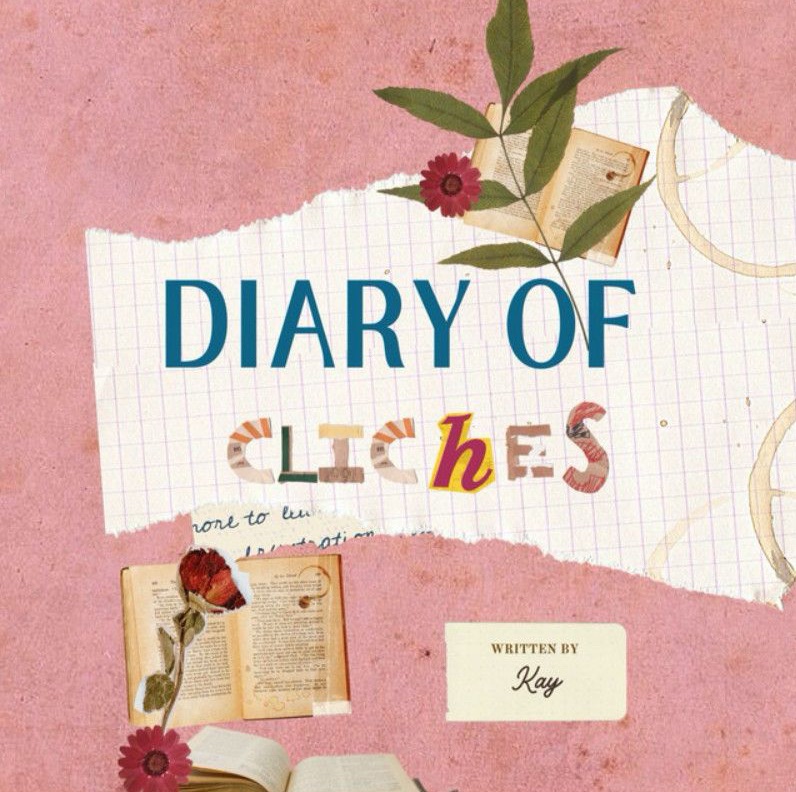
    Diary of Clichés

    I used to believe clichés were for people who hadn’t thought hard enough.

    Then I lived them.

    Diary of Clichés is written from the uncomfortable space of recognition—when irony gives way to empathy, and judgment softens into understanding. It examines why certain patterns repeat, not because we lack imagination, but because we are human.

    This book treats clichés as data points rather than embarrassments. Evidence of shared experience rather than personal failure.

    My mission here is to replace self-contempt with curiosity. To suggest that becoming “that person” may be less about hypocrisy and more about growth.

    If a line in this book makes you wince before it makes you laugh, you’re reading it correctly.

    Diary of Cliches
  • Learning After Impact

    Learning After Impact

    What is your mission?

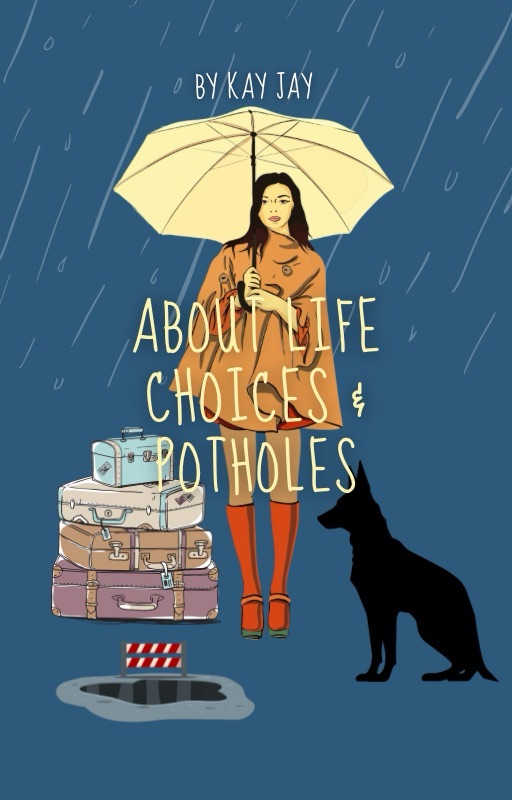
    About Life Choices and Potholes

    I wish I could say I saw it coming.

    That there was a moment of hesitation, a quiet instinct ignored, a clear sign misread. But most of the decisions that shaped me arrived without warning and unfolded without commentary. They felt reasonable at the time. Defensible. Sometimes even brave.

    The consequences arrived later.

    About Life Choices and Potholes begins with that delayed realization—the distance between choice and comprehension. It is written from the understanding that wisdom rarely precedes action. More often, it trails behind it, attempting to make sense of what has already occurred.

    This book is not a guide to better decision-making. It does not offer frameworks, heuristics, or corrective strategies. It is an examination of how insight is actually formed: through collision, through aftermath, through the slow, often uncomfortable work of reflection.

    We are encouraged to believe that good outcomes result from good choices, and bad outcomes from poor ones. This book complicates that assumption. It explores how context, limited information, emotional readiness, and survival instincts shape our decisions far more than rational foresight ever could.

    Potholes, in this sense, are not failures of intelligence. They are features of movement.

    My mission here is intellectual honesty—to resist the temptation of neat narratives that retrofit intention and clarity onto experiences that were, in real time, opaque. The book refuses the comfort of hindsight bias. It acknowledges that understanding is not always available when it would be most useful.

    Rather than judging past selves for what they did not know, About Life Choices and Potholes practices a different discipline: humility. The recognition that learning is often retroactive. That comprehension arrives only after the impact has already occurred.

    This book is written for readers who are weary of advice that assumes foresight. For those who are tired of being told what they should have known. It sits with the reader not before the decision, but after it—amid the debris, the recalibration, the slow reorientation that follows.

    There is no promise of mastery here. Only the quieter assurance that understanding does not require perfection—only attention.

    If you find yourself looking back, learning forward, and resisting the urge to rewrite your past into something more coherent than it was, this book is already speaking your language.

    It does not offer answers.

    It offers companionship—after the fall.

    About Life Choices & Potholes
  • Something Honest

    Something Honest

    What snack would you eat right now?

    About Life Choices & Potholes

    I’d probably reach for something that exists in two very different emotional universes at once.

    In San Francisco, a “snack” meant artisanal. Almond-flour crackers, hummus with a backstory, kale chips that cost more than an actual meal and left you wondering if hunger was a personality flaw. Snacks were measured, optimized, eaten while standing at a kitchen counter, usually between Zoom calls.

    In Mumbai, a snack is a full-bodied experience.

    It crackles, drips, stains your fingers, and unapologetically demands your attention.

    Right now, I’d choose a vada pav.

    Not the Instagram kind. The real one. Wrapped in yesterday’s newspaper, green chutney leaking through the paper like a secret, garlic in the air, traffic honking in the background. A snack that doesn’t ask who you are or what you do—only whether you’re hungry.

    Food, I’ve learned, mirrors the lives we’re living.

    San Francisco taught me restraint. Efficiency. Eating for fuel.

    Mumbai taught me comfort. Chaos. Eating for survival and joy.

    Somewhere between protein bars and pavs, I realized snacks are never just snacks. They’re tiny reflections of where we belong—or where we’re trying to belong.

    That tension—between worlds, tastes, choices, and identities—runs through About Life Choices & Potholes. It’s not about food, really. It’s about what we reach for when we’re tired, unsure, or standing at a crossroads.

    Right now, I’d eat the vada pav.

    Because some days, you don’t need something clean or curated.

    You need something honest.