Category: Family

  • A Space Where Magic Is Born

    A Space Where Magic Is Born

    You get to build your perfect space for reading and writing. What’s it like?

    If I could build my perfect space for reading and writing, it wouldn’t look like a productivity hack or a Pinterest board. It would look like a life—one that made room for thinking, feeling, wandering, and returning.

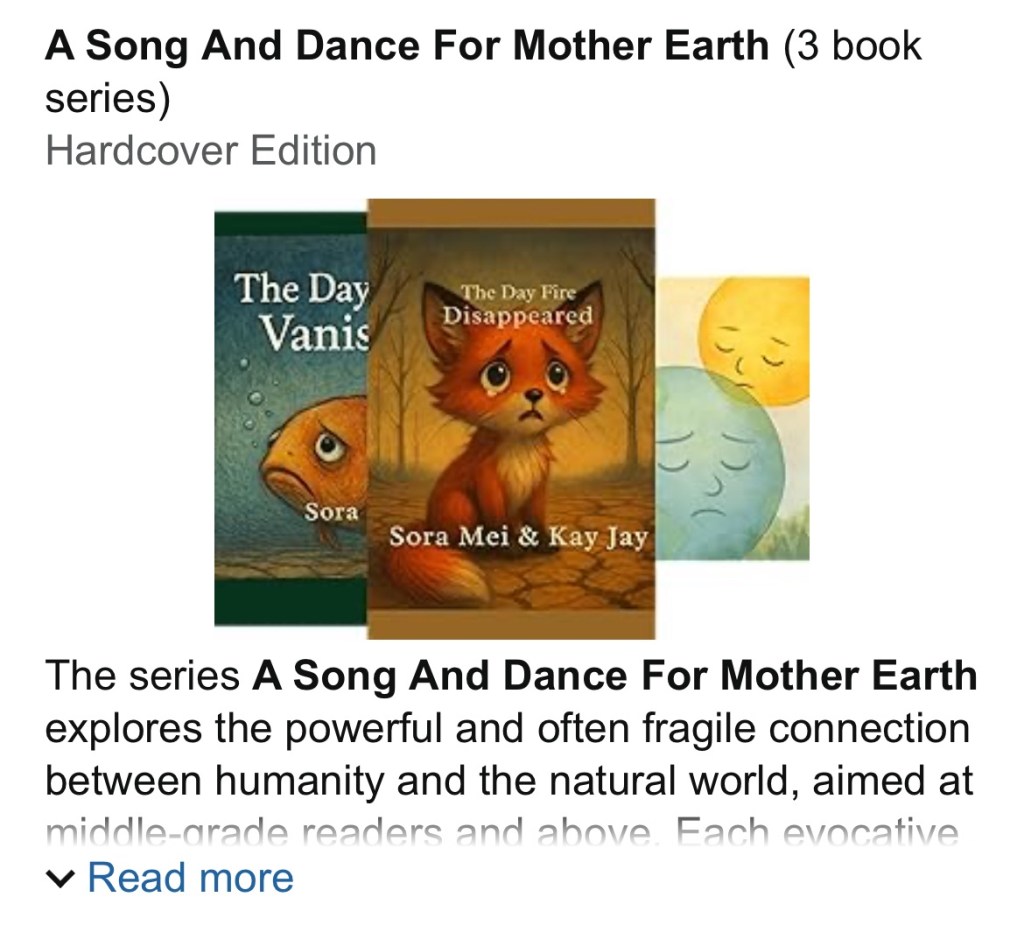
    The room would have windows that open wide, not just to let light in, but to remind me that the world exists beyond the page. Outside, there would be trees—old ones, the kind that have seen cycles come and go. They would keep me honest while I worked on A Song and Dance for Mother Earth, grounding my words in gratitude and reverence, reminding me that stories, like ecosystems, need care more than control.
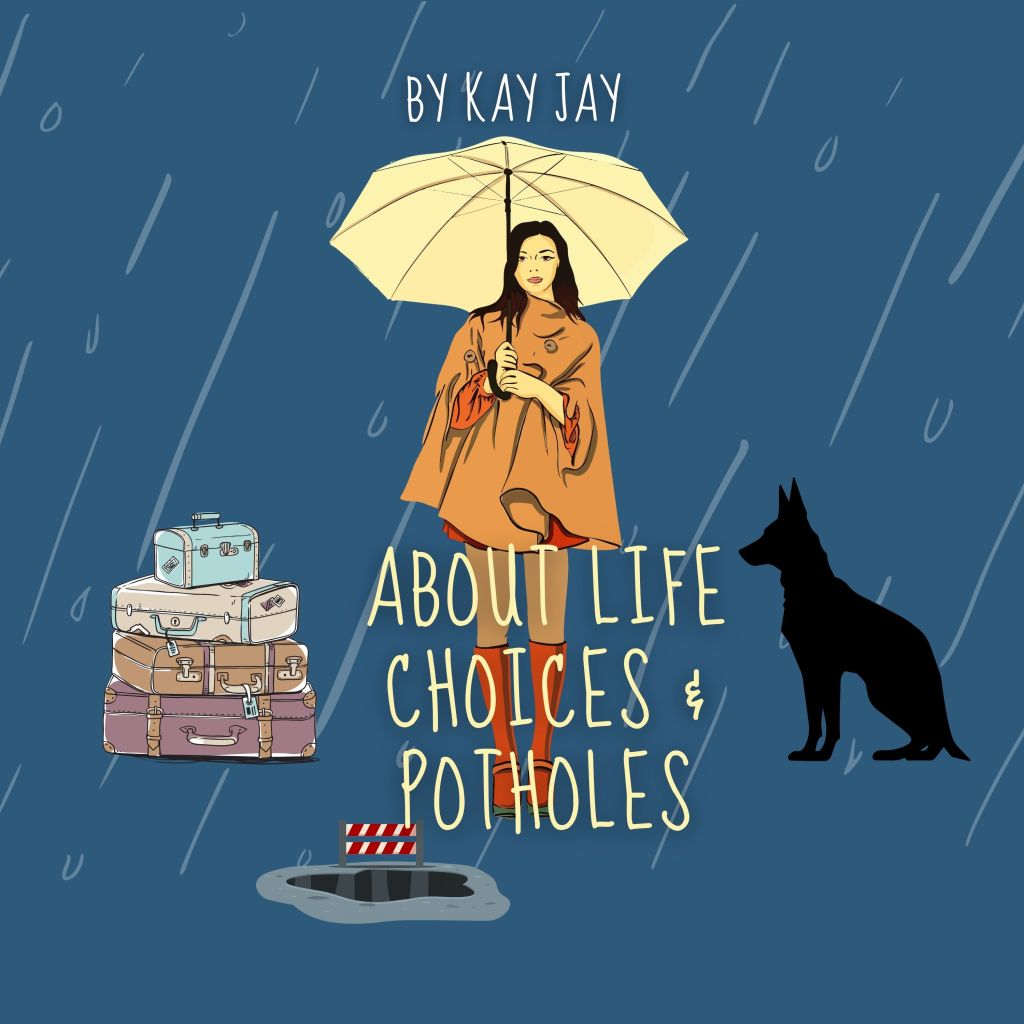
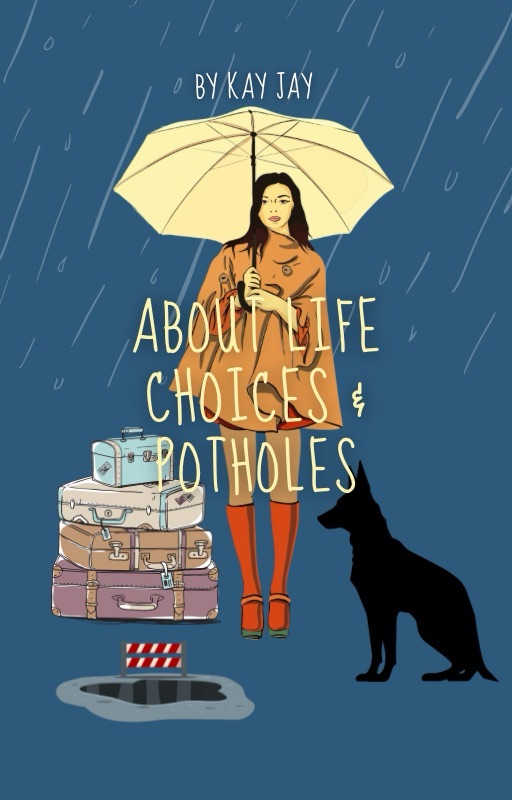
    There would be a writing desk scarred with use, not aesthetic, just familiar. That’s where About Life Choices and Potholes would live—pages written after wrong turns, pauses, and those moments when life teaches you something by first knocking you flat.
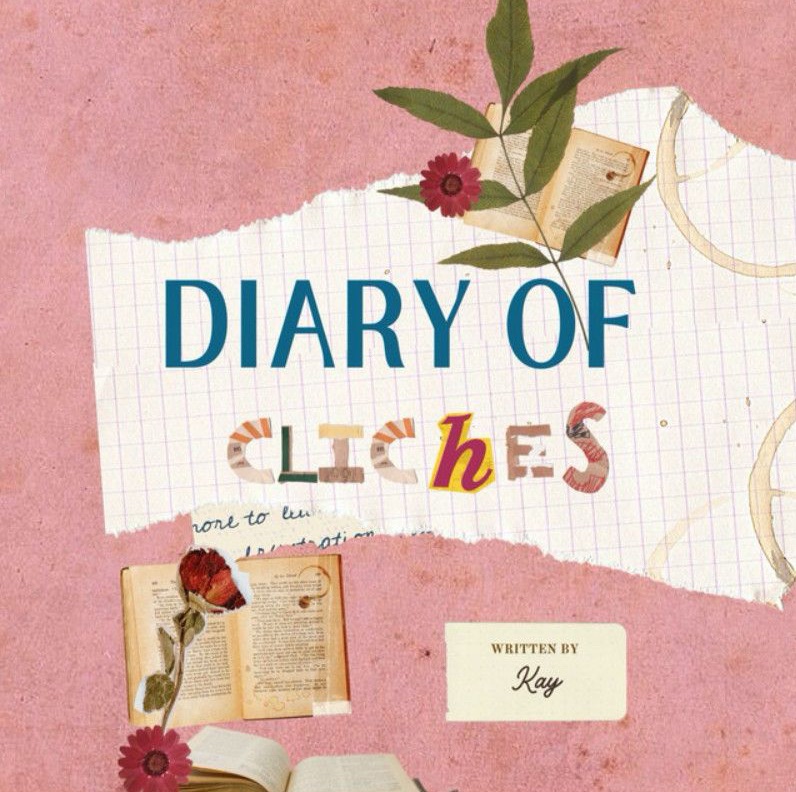
    Nearby, a stack of half-filled notebooks would belong to Diary of Clichés, because some realizations arrive only after you swear you’ll never become that person… and then quietly do.
    This space would have a couch meant for staring at the ceiling. Not resting—thinking. That’s where Fever Dreams would be written, in the liminal hours when exhaustion softens the edges of truth and clarity arrives without explanation. In those moments, the room would feel slightly unreal, as if it were breathing along with me.

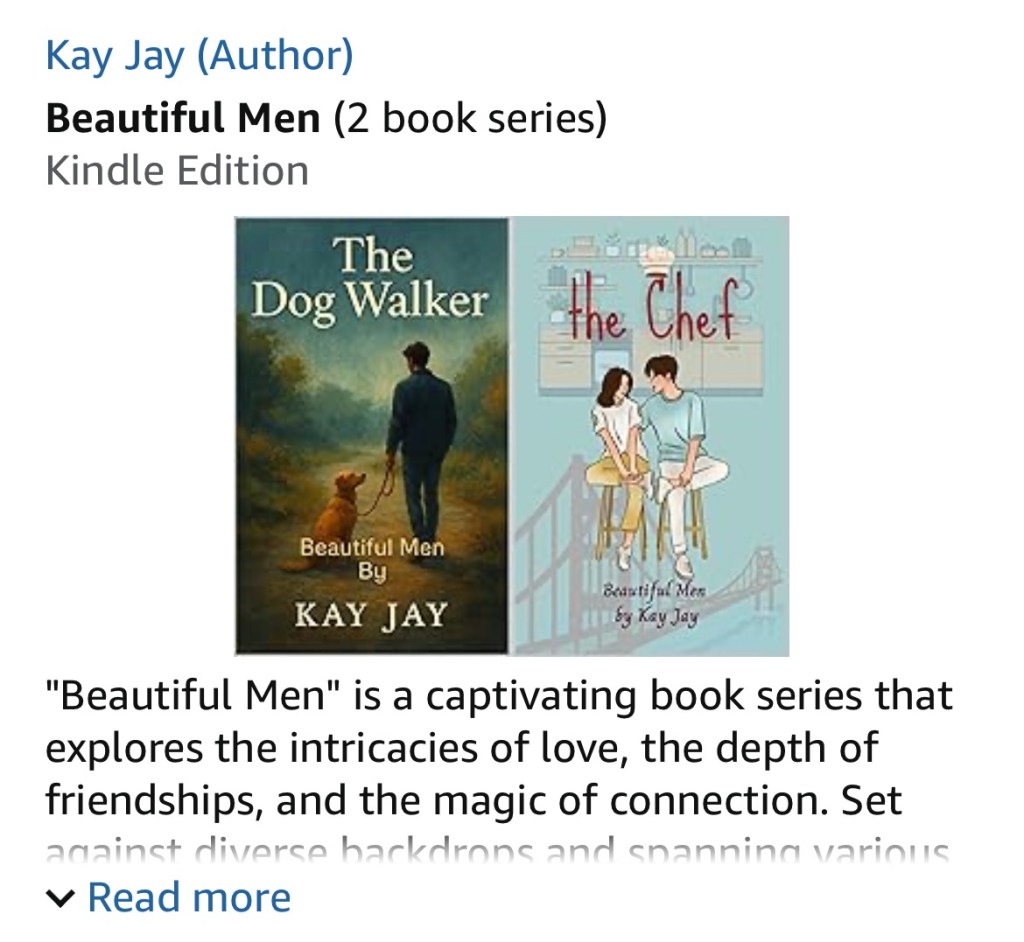
    There would be a door that opens onto a street or a park. I’d leave it ajar while working on Beautiful Men: The Dog Walker, letting life pass by—footsteps, chance encounters, fleeting glances that remind me that softness still exists, that sometimes the universe doesn’t instruct, it flirts. The kitchen would matter just as much as the desk, because Beautiful Men: The Chef would be written between meals and memories, where nourishment is not just consumed but received.
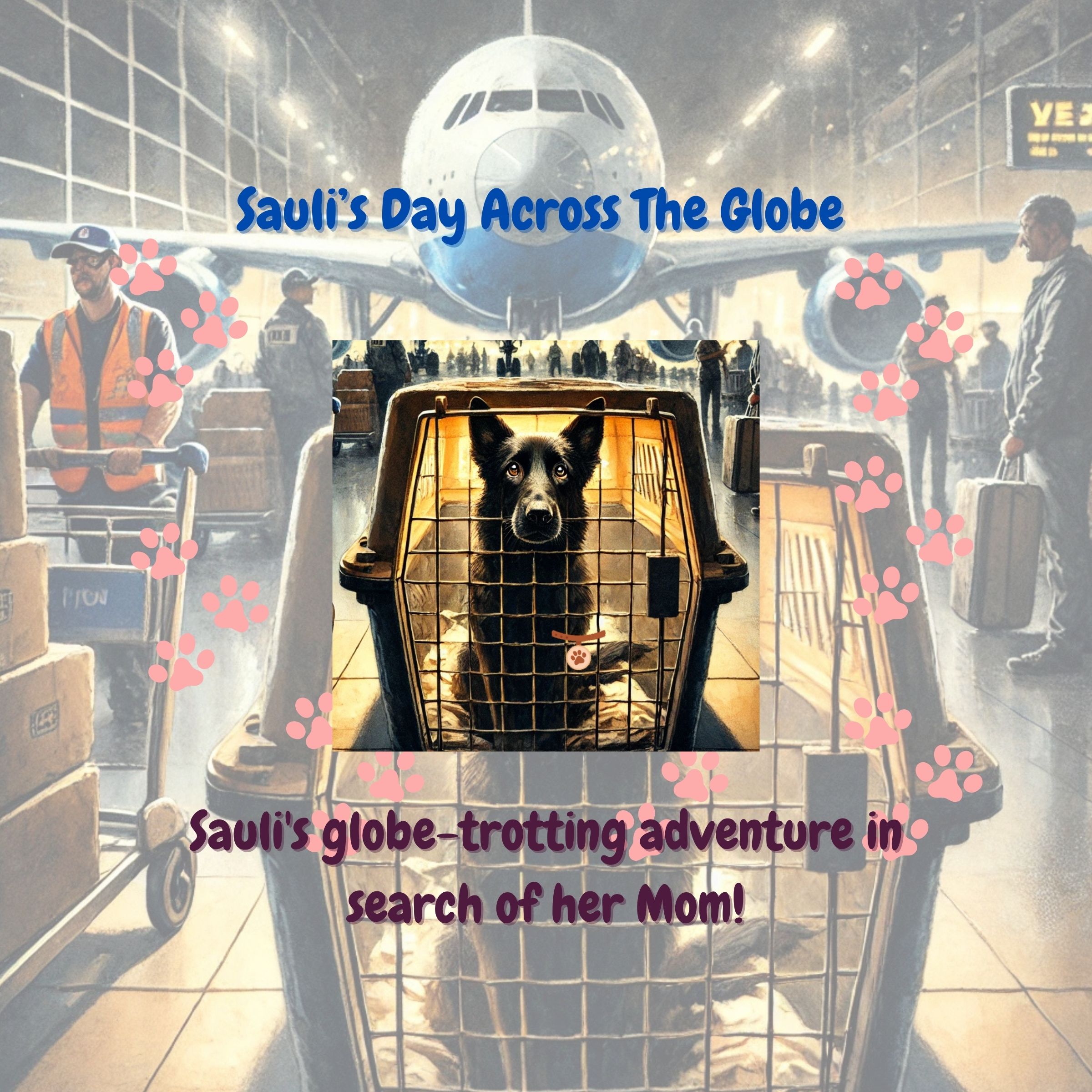
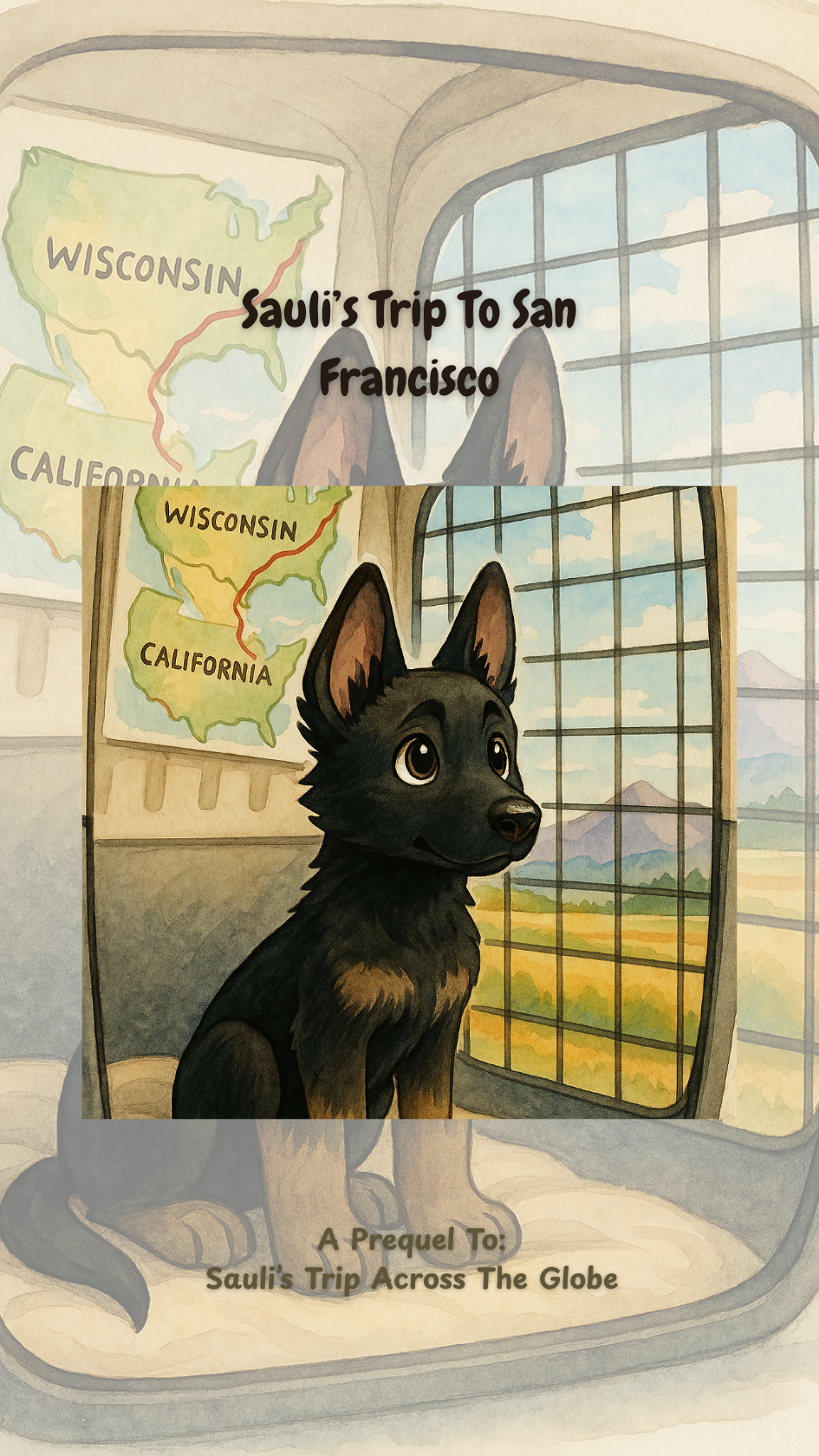
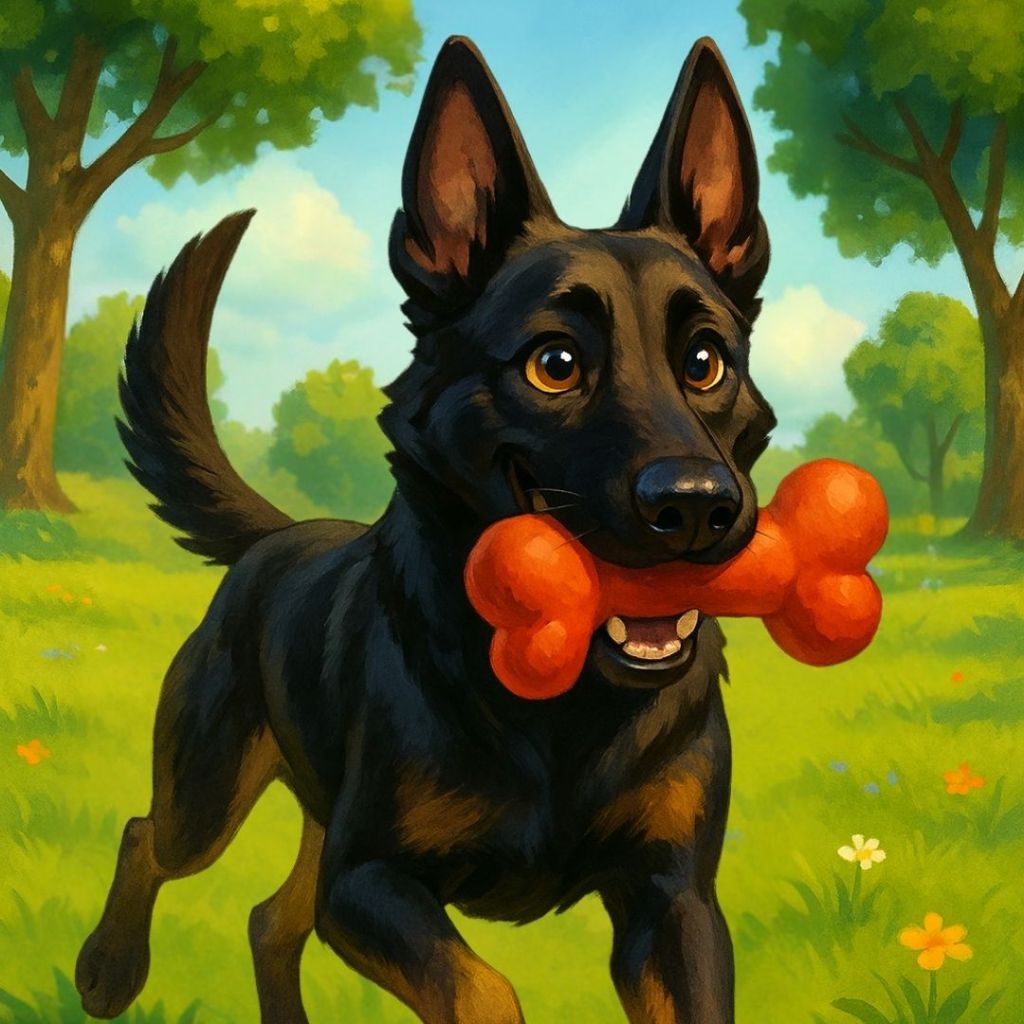
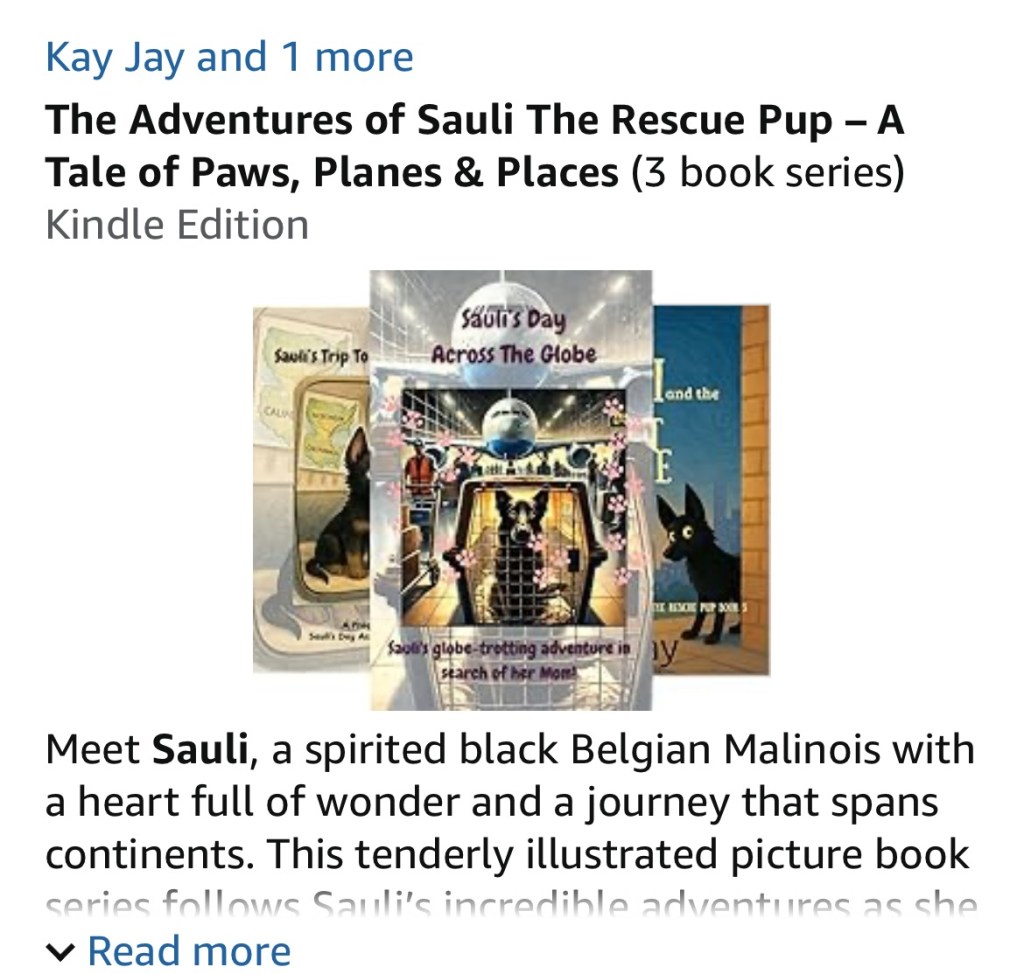
    At my feet, always, would be a dog. Muddy paws, restless energy, unconditional presence. Adventures of Sauli the Rescue Pup could only be written in a space that allows chaos and joy to coexist—where healing shows up unannounced and insists on being played with.
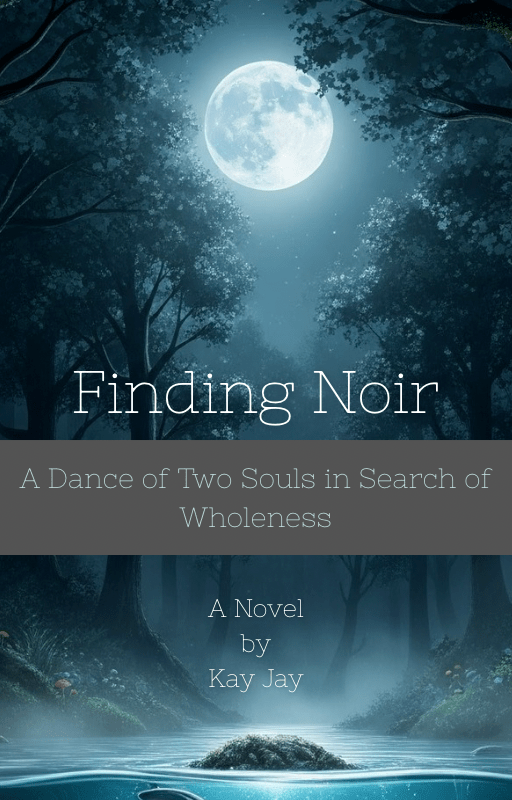
    The quietest corner of the room would belong to Finding Noir. No distractions. No mirrors, except the internal ones. That book would demand stillness, the kind that forces you to sit with what you’re really looking for, long after you realize it isn’t another person.
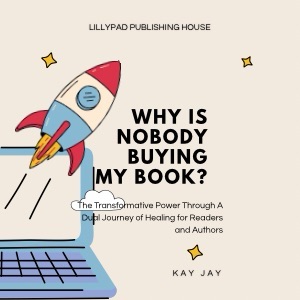
    There would also be a shelf that makes me laugh at myself. That’s where Why Is Nobody Buying My Book would sit—right next to hope and self-doubt, art and algorithms, reminding me that creativity is both sacred and absurd, and that both can be true at the same time.
    Most importantly, this space wouldn’t be about selling stories. It would be about telling them. Every chair, window, and corner would exist to support honesty—whether the result is a book, a sentence, or just a moment of understanding.

    Because the truth is, all these books were written in spaces that already existed: borrowed rooms, kitchen tables, hospital waiting areas, long walks, sleepless nights. My perfect space is simply one that allows me to keep doing what these stories taught me how to do—

    Pay attention.

    Tell the truth.

    And trust that the right readers will find their way in.
    Author Profile
  • The Quiet Strength of My Father

    The Quiet Strength of My Father

    Describe a family member.

    (A reflection inspired by my book About Life, Choices, and Potholes)

    If I had to describe my father, I wouldn’t start with his profession or his habits — though I could. He was an engineer by training, a man of tools and precision, but his real craft was patience. The kind that doesn’t make noise, doesn’t demand recognition, but stays steady like the background hum of a ceiling fan on a humid night — always there, always working.

    Growing up, I used to think he was too quiet. He didn’t express affection in words; he showed it in ways you’d miss unless you were really paying attention — an extra roti on my plate before I sat down, the car tank always full, the lights left on when I returned late. His love language was logistics.

    When I moved to the US, I thought I was leaving that world behind — the world of early mornings, the smell of oil and diesel from his workshop, the steady rhythm of his tools. I was chasing independence, identity, a new story. But years later, when life hit a wall — job loss, immigration uncertainty, heartbreak — it was his voice, calm and undramatic, that steadied me again.

    In About Life, Choices, and Potholes, I write about that moment — when he cleaned up after my mess despite just recovering from spine surgery, even as eviction threats and house-hunting chaos unfolded around us. He didn’t complain. Didn’t remind me of sacrifices. Just did what needed to be done.

    It took me years to understand that kind of strength — the quiet resilience of doing what life demands, not because it’s fair or easy, but because someone has to.

    He’s the kind of man who believes in roads — in building them, fixing them, walking them. And maybe that’s why the book carries the word potholes in its title. Because life, as he taught me, is just that — a long, uneven road you keep driving on, knowing you’ll hit bumps, but trusting you’ll reach home.

    If there’s one thing my father has taught me, it’s this:

    Love doesn’t always arrive wrapped in words.

    Sometimes, it’s in the quiet act of showing up — again and again — even when no one’s watching.

  • Chasing Sauli: The Funniest Cardio Workout

    Chasing Sauli: The Funniest Cardio Workout

    What is your favorite form of physical exercise?

    (Hint: it involves a leash, a fence, and one very determined rescue pup.)

    I wish I could say yoga.

    Or pilates. Or something serene that involves candles and slow breathing.

    But if I’m being honest?

    My favorite form of exercise is called “Chasing Sauli.”

    It’s a high-intensity, full-body cardio workout that starts the moment my rescue pup decides fences are suggestions.

    There’s sprinting (after her), squats (to grab the leash she somehow dropped), core strength (from holding back laughter and panic at once), and endurance (because she always finds a new way to escape).

    There are no memberships, no mats, no fancy shoes. Just me, my heart rate spiking, and Sauli—running like she’s auditioning for Fast & Furious: Dog Edition.

    But here’s the secret: somewhere between the chaos, laughter, and occasional mud bath, I realized this isn’t just exercise.

    It’s connection.

    Every chase, every wild run through the park, every moment she looks back mid-sprint as if to say “Come on, human!”—it’s life reminding me to move, to play, to breathe.

    That energy, that wildness, that hilariously unfiltered joy—that’s what inspired my book series, The Adventures of Sauli the Rescue Pup.

    Because sometimes, the best workouts aren’t found in gyms. They’re found on the other end of a leash.

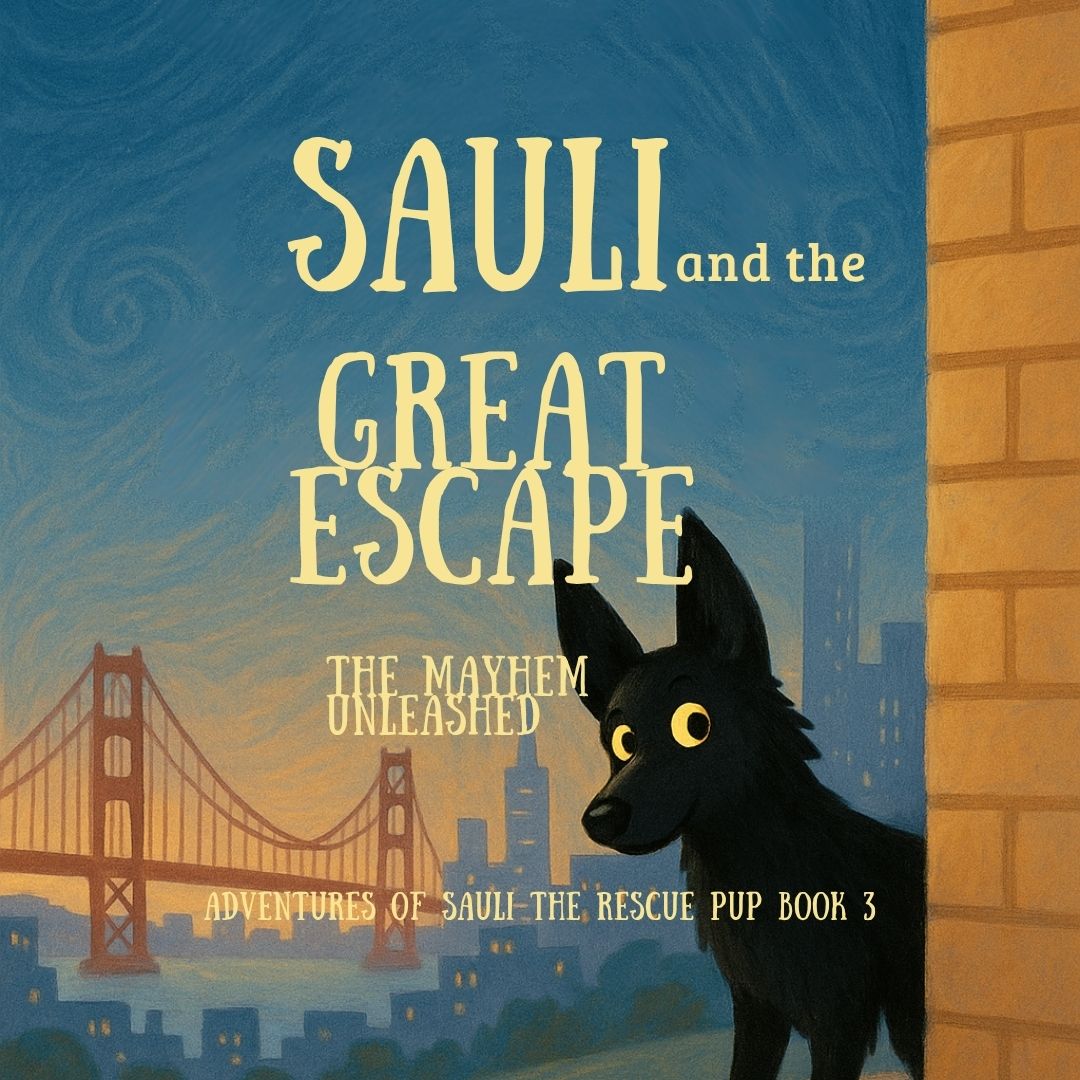
    🐾 Sauli and the Great Escape

    Book 3 of The Adventures of Sauli the Rescue Pup is now available on Amazon.

    📚 Order Now »

    #RescueDogLife #SauliThePup #DogMomChaos #SauliGreatEscape #CardioWithSauli

  • The Road Not Taken (and the Many Detours Along the Way)

    The Road Not Taken (and the Many Detours Along the Way)

    What alternative career paths have you considered or are interested in?

    (Inspired by my book About Life, Choices, and Potholes)

    If someone had told me a decade ago that my “career” would one day include storytelling, healing, and writing about life’s unpredictable messes, I would’ve laughed. I was trained to think in straight lines — college, career, promotions, retirement. Life, however, had other plans.

    Like many of us, I once believed that fulfillment came from achievement — that your title, paycheck, and business card somehow proved your worth. And for a while, I played that game well. Until one day, the system I had built my life around — job, visa, stability — suddenly reminded me that I didn’t truly belong there.

    That moment cracked something open.

    I began asking questions I had avoided for years: If not this, then what?

    That’s how About Life, Choices, and Potholes was born — not from certainty, but from chaos. From nights of wondering what comes next when the path you’ve been walking dissolves beneath your feet.

    Since then, I’ve flirted with many alternative paths — each one whispering a different truth about who I am. Writing became my therapy. Teaching and mentoring opened my heart. Holistic healing, with its roots in energy and intention, taught me that success is not always visible — sometimes it’s felt.

    The world glorifies specialization. But what if we’re meant to evolve — to live many lives within one lifetime? To be the analyst and the artist, the strategist and the storyteller?

    I no longer chase one perfect label. I’m learning to honor the mosaic of it all — the detours, the dead ends, and the potholes that shaped me into something far richer than a résumé ever could capture.

    In About Life, Choices, and Potholes, I invite you to reflect on that too — the alternate versions of you that are waiting patiently to be lived. Because maybe the truest career path isn’t a ladder at all. Maybe it’s a spiral — one that leads you back to yourself.

  • A Prelude to A Song and Dance for Mother Earth

    A Prelude to A Song and Dance for Mother Earth

    What major historical events do you remember?

    It’s a question that seems simple enough—wars, revolutions, inventions, pandemics, elections. The milestones we were taught to underline in textbooks. But when I think of history, I don’t see dates or leaders. I see moments—small, human moments—where the Earth herself bore witness.

    I remember the day the skies over San Francisco turned orange, as if the sun had grown weary and decided to rest. I remember the summer when rivers ran so dry that the fish lay gasping in the mud. I remember the floods that swallowed entire towns, the fires that raged for weeks, the ice that cracked and wept into the sea.

    We call these “environmental crises,” but to me, they feel like history too—because they mark the chapters of a changing Earth.

    In many ways, A Song and Dance for Mother Earth is about remembering. Not the history we memorized, but the history we have lived alongside the planet—the one written in smoke, wind, and tide. The one that reminds us that the Earth, too, has stories to tell.

    Each piece in this series is a fable, but also a mirror.

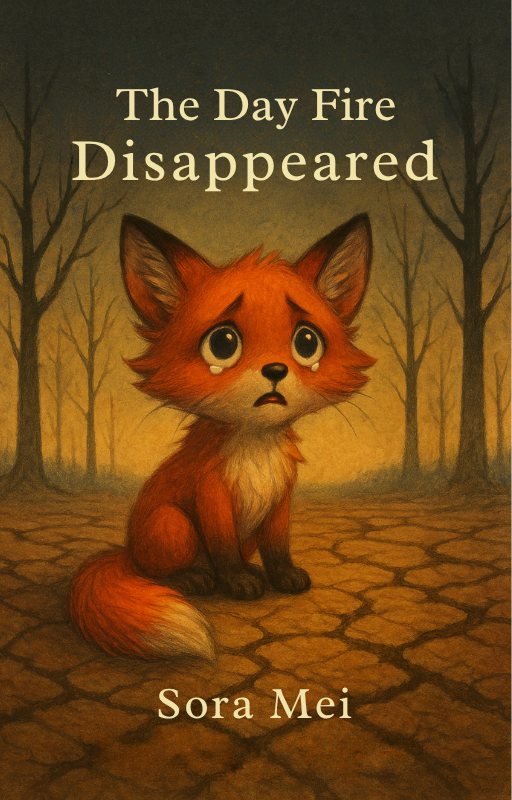
    There’s The Day Fire Disappeared, when humanity learns what happens when the flame that built civilization decides to go out.

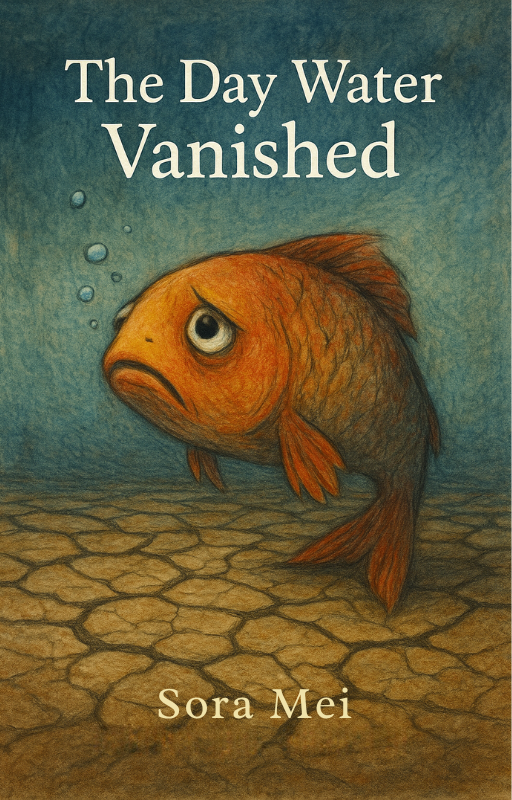
    There’s The Day Water Vanished, where rivers dry up to remind us that every drop we waste is a piece of our own reflection.

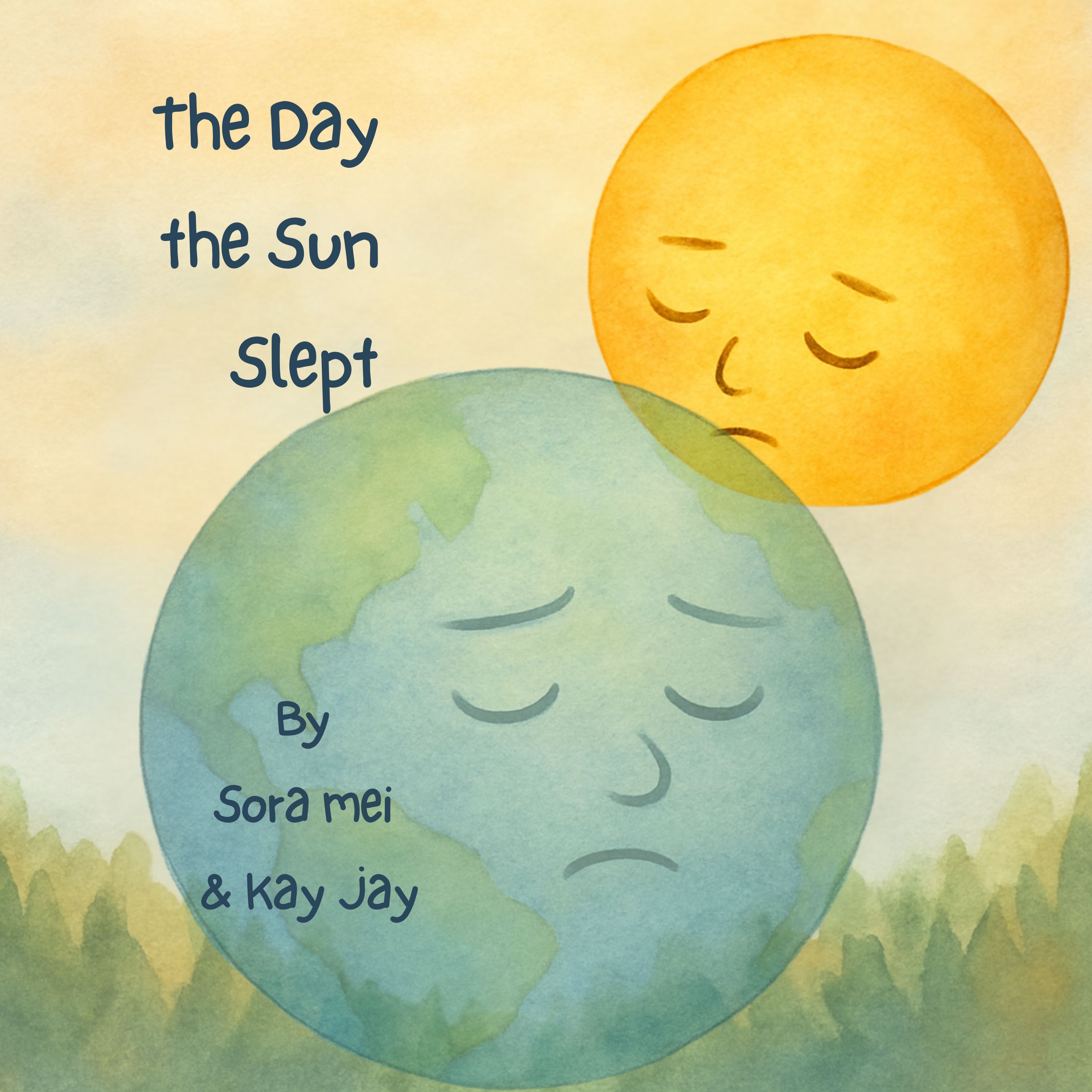
    And there’s The Day the Sun Slept, when the light that sustained us grows dim, asking us to pause and listen to the Earth’s silent plea.

    These are not apocalyptic tales. They are love stories—between humankind and the world that raised us. They are reminders that the Earth’s memory runs deep, and that every act of care, every small promise kept, becomes a note in the song we sing back to her.

    So, when I ask what major historical events you remember, perhaps I’m not asking about kings or wars or borders. I’m asking:

    Do you remember the first rain that smelled like home?

    Do you remember the forest path where you felt utterly alive?

    Do you remember the sound of the ocean that made you feel both tiny and infinite?

    Those are the moments that matter now. Because history is not only about what we’ve built—it’s about what we’ve broken, and what we still have the chance to heal.

    A Song and Dance for Mother Earth is my way of remembering—and inviting you to remember too.

    Because perhaps the greatest event in human history isn’t something that happened to us, but something we’re still part of:

    The story of a planet asking to be heard again.

  • The Risk of Choosing Yourself — and Why It’s Worth It

    The Risk of Choosing Yourself — and Why It’s Worth It

    What’s the biggest risk you’d like to take — but haven’t been able to?

    (Inspired by my book About Life, Choices, and Potholes)

    If you asked me five years ago what my biggest dream was, I would’ve probably said something practical — to climb the career ladder, to live in a beautiful home, to check off a few more countries from my travel bucket list. But if you ask me today what the biggest risk I’d like to take is — it’s far less tangible and far more terrifying.

    It’s the risk of choosing myself.

    Sounds simple, right? But it’s not.

    Choosing yourself means walking away from what doesn’t serve you — even when it once did. It means saying no to jobs that drain you, to relationships that no longer see you, and to the version of yourself you’ve outgrown. It means rebuilding your life from scratch — not because something broke, but because you finally realized you deserve something truer.

    In About Life, Choices, and Potholes, I write about this very moment — that terrifying pause between knowing something isn’t right and daring to change it. I talk about how we stay in safe, predictable loops: the job that looks good on paper, the city that feels like home but treats us like guests, the people who like the version of us that never says no.

    But what if safety isn’t the goal?

    The biggest risk isn’t quitting or leaving — it’s believing that there’s more to your story, even when you can’t see how it ends. I learned that when I packed my life into two suitcases after years in the U.S., forced to start again because of a visa technicality. It wasn’t my choice, but it made me realize how many choices I had avoided making.

    I used to think that control equaled safety. But sometimes life pushes you off the edge to show you how well you can fly.

    So maybe the risk I haven’t yet taken — but hope to, every day — is living unapologetically by my own design. Not out of rebellion, but reverence. For the quiet knowing that whispers, “This isn’t the end — it’s your next beginning.”

    And if About Life, Choices, and Potholes teaches you anything, I hope it’s this — the road might be bumpy, but it’s yours. And that makes all the difference.

  • Finding Joy and Chaos with My Rescue Pup

    Finding Joy and Chaos with My Rescue Pup

    What are you most proud of in your life?

    (A story about chaos, second chances, and one unforgettable rescue pup)

    If you’d asked me this question years ago, I might’ve said something predictable—career milestones, creative projects, maybe a degree or two.

    But now, I’d say: I’m proud that I said yes.

    Yes to a rescue dog named Sauli.

    Yes to the chaos she brought.

    Yes to the life that unraveled (and rebuilt itself) because of her.

    When I first met Sauli, she wasn’t the picture of a calm, adoptable pup. She was a blur of energy—sharp, stubborn, wild-hearted. The first weekend we spent together, she nearly tore apart a hotel room and escaped twice. It was, quite literally, a disaster.

    But somewhere in that storm, I found something I didn’t even know I was missing—a sense of aliveness, of responsibility, of connection.

    She made me show up. Every single day. No excuses.

    What started as a rescue story turned into a companionship I never expected—and eventually, a book series: The Adventures of Sauli the Rescue Pup.

    Through every escape, every moment of mayhem, and every quiet night where she finally fell asleep beside me, I realized this was more than just about having a dog. It was about choosing love over control, patience over frustration, and joy over perfection.

    That’s what I’m most proud of.

    Not that I rescued her—but that she rescued me right back.

    🐾 Sauli and the Great Escape

    Book 3 of The Adventures of Sauli the Rescue Pup is now available on Amazon.

    📚 Order Now »

    #RescueDogLife #SauliThePup #DogMomChaos #SauliGreatEscape

  • The Heart If A Great Teacher

    The Heart If A Great Teacher

    What makes a teacher great?

    I’ve spent the better part of my life watching teachers, becoming one, resisting the label, then finally surrendering to it with a nod of grace. I used to think great teachers were born in classrooms, standing at a podium with a chalk in one hand and a world of wisdom in the other. Now, I know better.

    A great teacher, I’ve come to believe, isn’t someone who knows it all—but someone who knows how to stay curious. Someone who teaches not from a pedestal but from the trenches of their own lived experience. Someone who admits they too have potholes, detours, and doubts—and that the syllabus they teach is written, not in ink, but in mud, laughter, and late-night journal entries.

    That’s how I began writing Diary of Clichés—as a kind of curriculum for the emotionally brave. Because sometimes the best teachers are not the ones in schools or seminar rooms, but the ones who sit across from you with a cup of coffee, or write books that hold up a mirror and whisper, “You too?”

    I don’t believe in perfection. Never have. I believe in vulnerability. I believe in showing up, even when the lesson plan is incomplete. I believe in asking the hard questions—even if the answers are uncomfortable. Especially when they are. I believe in learning aloud, in failing forward, and in inviting others to join the journey—not when you’ve figured it all out, but when you haven’t.

    That’s what Life Choices & Potholes is all about. It’s the textbook I wish I had when I was stumbling through crossroads, unsure of whether to listen to logic, intuition, or the girl inside me still learning how to speak. That book, and others like it, are my offering. Not because I claim to have all the answers—but because I’ve finally stopped pretending that I do.

    A great teacher listens before they lecture. Holds space before they hand out solutions. And sometimes, a great teacher just asks the right question at the right moment and lets the silence do the rest.

    So what makes a teacher great? Maybe it’s this: the willingness to show up fully human, to love people into their potential, and to remind them—gently, consistently, quietly—that their story matters.

    That they matter.

    And that maybe, just maybe, their mess is the message someone else has been waiting for.

  • How a Mysterious Collaboration Became a Children’s Book Series

    How a Mysterious Collaboration Became a Children’s Book Series

    A Song and Dance for Mother Earth

    If you had told me a year ago that I’d be helping to bring a children’s book series into the world — one written by an author I have never met in person, who prefers to let her words speak in whispers — I might have smiled politely and gone back to my coffee.

    But life, and the Universe, have a way of surprising us.

    It began with a letter.
    A soft, wise letter from someone writing under the name Sora Mei — a storyteller who described herself simply as “one who writes for the Earth and its children.”

    Her words moved me instantly.
    She had read something on my blog about protecting the planet and had been inspired to share her own project: a small collection of timeless tales that would speak gently to little hearts about big things — about fire, water, Earth, and the balance we must honor between them.

    I was captivated.
    And soon, we were writing back and forth — exchanging drafts, reflections, and ideas for how these stories might live in the world.

    The more I read her words, the more I knew: this series needed to be shared. Not just with children, but with the grown-ups who read to them — who, in doing so, might remember their own love for this fragile blue planet.

    And so, quietly, a collaboration was born.

    We called the series:
    A Song and Dance for Mother Earth.

    Because stories, like songs, can stay in your heart long after the final note is played.
    Because we wanted these books to be not lectures, but invitations — to wonder, to respect, to care.


    The Day Fire Disappeared

    The first book in the series — The Day Fire Disappeared — is launching this weekend.

    It was inspired by a real and heartbreaking event: the death of a baby red fox in Britain, frightened to death by the shock of fireworks.

    From that single spark of sorrow grew a gentle fable about a future world where fire disappears because it has been misused. A world where children and animals must learn to live in harmony again — and where the Universe reminds us that every gift we are given must be treated with care.

    The story is written in the language of The Velveteen Rabbit — simple, poetic, and full of quiet wisdom. It is a story to read aloud by soft lamp light, or beneath the branches of a tree, or cuddled together before bedtime.

    And though it is written for children, I believe it carries messages many grown-ups need to hear again.


    A Series of Whispers

    There are more books to come.

    The second — The Day Water Vanished — will explore the preciousness of water, and what happens when we take it for granted.

    The third — The Day the Sun Slept — is a hauntingly beautiful story about what happens when Mother Earth, too weary from misuse, decides not to wake one morning… and the Sun, in solidarity, stays hidden.

    Each of these stories is written by Sora Mei, in her gentle, mysterious voice.
    And I — Kay — have had the joy of helping bring them into the world.

    I will not tell you more about Sora. She prefers to remain behind the curtain, letting her stories shine instead. But I will say this: it has been one of the great joys of this past year to collaborate with someone who writes from such deep love for the Earth.


    A Song for Our Children — and Theirs

    So why am I sharing this today?

    Because I believe we need more stories like these.
    Stories that invite children to become stewards of this planet.
    Stories that remind us that even small actions matter — that planting a tree, turning off a tap, or choosing celebration that does not harm animals is an act of love.

    A Song and Dance for Mother Earth is just a small offering.
    But small offerings, like single drops of water or sparks of light, can grow.

    I hope you’ll join me in welcoming The Day Fire Disappeared into the world this weekend.
    I hope you’ll read it to your children, or gift it to someone you love.
    And I hope, like me, you’ll remember — stories can heal. Stories can awaken.
    And sometimes, they can even change the way we dance upon this Earth.

    With gratitude,
    Kay
    (In collaboration with Sora Mei)

    Follow us on Instagram: @storiesbysoramei

  • Cultivating Meaningful Connections: A Personal Journey

    Cultivating Meaningful Connections: A Personal Journey

    What relationships have a positive impact on you?

    Relationships that have a positive impact on me are those that feel like safe havens and secure bases—a delicate balance of comfort and challenge. They’re the connections that allow me to stay rooted in the rhythm of the ordinary while also encouraging me to dream beyond it. These relationships don’t demand perfection or performance; instead, they celebrate authenticity, resilience, and growth.

    I think of the people who have shaped me in ways both profound and subtle. My parents, with whom I share a complex dance of tradition and individuality, have taught me the strength in cultural roots. Then there are friends like Loretta, who enter your life like a warm cup of tea on a rainy day, offering a quiet kind of wisdom that reshapes your understanding of love and support. Even the stories I’ve written—fictional characters like Noir and Kayra—feel like relationships in their own way, teaching me lessons about vulnerability, self-discovery, and spiritual connection.

    But perhaps the most impactful relationship is the one I’ve built with myself. It hasn’t been easy; there were times I felt invisible or unheard, times when self-doubt crowded out self-love. Yet, through journaling, writing, and introspection, I’ve learned to treat myself with the same kindness and curiosity I offer to others. This relationship has taught me that I’m allowed to evolve, to dream of lives that feel far from my current reality, and to embrace every cliché along the way.

    These relationships—be they with family, friends, fictional creations, or myself—aren’t about grand gestures or perfect harmony. They’re about showing up, being present, and holding space for growth. They’re about finding the people and moments that make you feel both grounded and limitless. And that’s exactly the kind of connection I hope to inspire through Diary of Clichés—because sometimes, the most impactful relationships start with a simple story.

    Through the pages of Diary of Clichés, I invite readers to examine the relationships in their own lives—those with others, with their dreams, and most importantly, with themselves. We often overlook the quiet, everyday connections that shape us in profound ways, just as we dismiss clichés as trivial. But within those seemingly mundane expressions and encounters lie universal truths, the kind that make you pause, reflect, and perhaps even smile knowingly.

    For me, the act of writing became a bridge between who I was and who I wanted to be. It gave me permission to explore the dichotomy of my dreams and reality—the Silicon Valley high-rise life I once imagined versus the cultural rootedness of my middle-class existence in India. It helped me reconcile the feelings of being torn between wanting adventure and craving stability, between daring to embrace the extraordinary and finding peace in the ordinary.

    And isn’t that what relationships, at their best, do for us? They challenge us to grow while reminding us of where we came from. They hold up a mirror, showing us our potential even as they ground us in our flaws. They allow us to be both dreamers and doers, to straddle the line between ambition and contentment.

    Some relationships feel fleeting yet transformative, like my brief encounters with new friends or even strangers who left a lasting impression. Others are steady and enduring, like the bond I’ve built with my family and closest confidants. And then there’s the complex, layered relationship I have with myself—a work in progress, but one that grows richer with each page I write, each story I tell.

    Through this journey, I’ve learned that relationships with a positive impact are not always easy or straightforward. They can be messy, imperfect, and sometimes even painful. But they’re also where we find our strength, our joy, and our purpose. Whether it’s the parent who teaches resilience, the friend who listens without judgment, or the diary that silently absorbs your thoughts, these relationships shape the story of who we are.

    So, when I think about the question, “What relationships have a positive impact on you?” I realize it’s not about the grand gestures or dramatic declarations. It’s about the quiet moments of connection, the spaces where you feel seen, heard, and valued. It’s about the people and experiences that help you uncover your authentic self, even if that journey takes you through heartbreak, healing, and a healthy dose of clichés.

    And as I continue to write, dream, and reflect, I hope that Diary of Clichés becomes a positive relationship for others—a companion to those navigating the twists and turns of life, offering solace, laughter, and perhaps a new way of seeing the world. Because at the heart of it all, that’s what relationships are meant to do: remind us that we’re never alone, that our stories matter, and that there’s always beauty to be found in the chaos of life.