Category: Food

  • Something Honest

    Something Honest

    What snack would you eat right now?

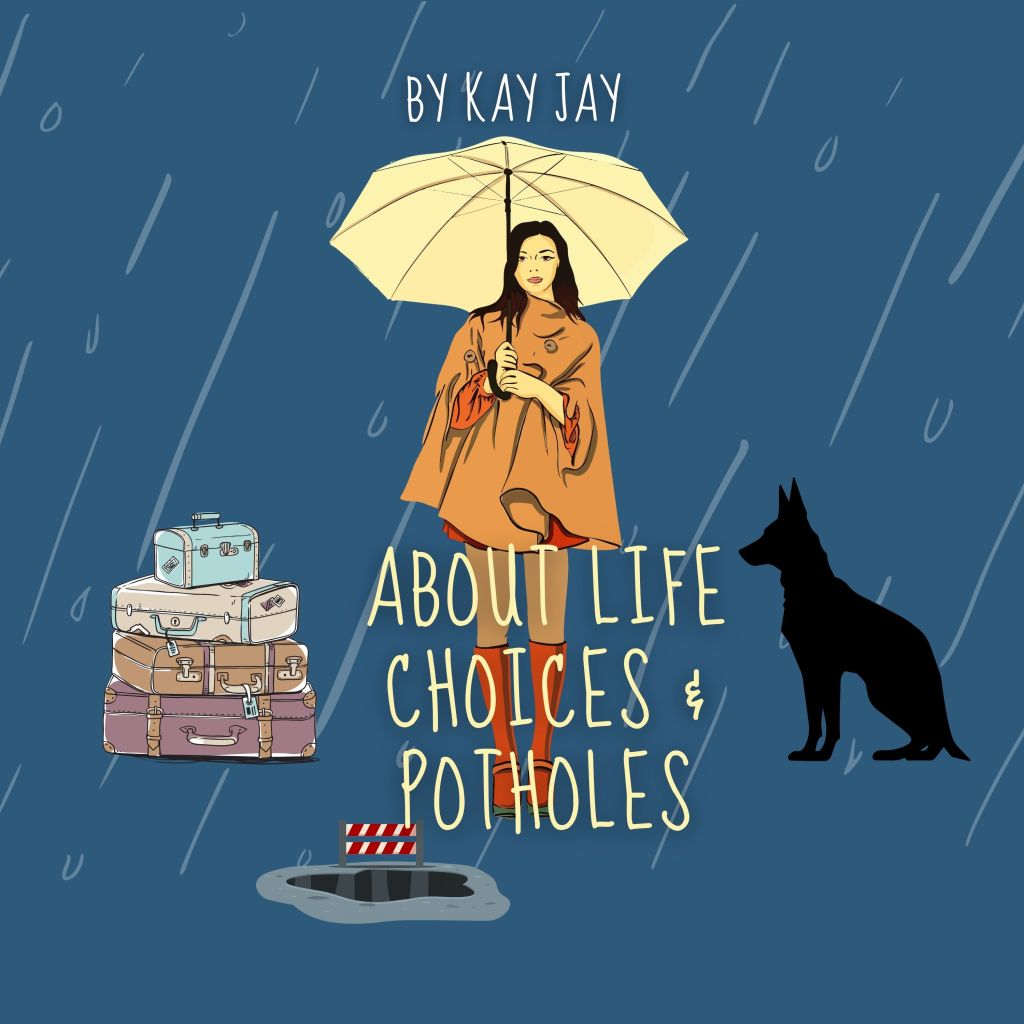
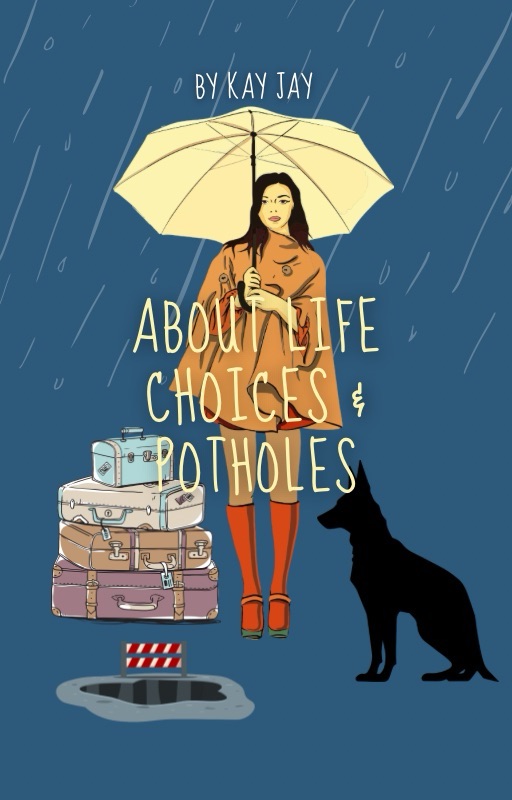
    About Life Choices & Potholes

    I’d probably reach for something that exists in two very different emotional universes at once.

    In San Francisco, a “snack” meant artisanal. Almond-flour crackers, hummus with a backstory, kale chips that cost more than an actual meal and left you wondering if hunger was a personality flaw. Snacks were measured, optimized, eaten while standing at a kitchen counter, usually between Zoom calls.

    In Mumbai, a snack is a full-bodied experience.

    It crackles, drips, stains your fingers, and unapologetically demands your attention.

    Right now, I’d choose a vada pav.

    Not the Instagram kind. The real one. Wrapped in yesterday’s newspaper, green chutney leaking through the paper like a secret, garlic in the air, traffic honking in the background. A snack that doesn’t ask who you are or what you do—only whether you’re hungry.

    Food, I’ve learned, mirrors the lives we’re living.

    San Francisco taught me restraint. Efficiency. Eating for fuel.

    Mumbai taught me comfort. Chaos. Eating for survival and joy.

    Somewhere between protein bars and pavs, I realized snacks are never just snacks. They’re tiny reflections of where we belong—or where we’re trying to belong.

    That tension—between worlds, tastes, choices, and identities—runs through About Life Choices & Potholes. It’s not about food, really. It’s about what we reach for when we’re tired, unsure, or standing at a crossroads.

    Right now, I’d eat the vada pav.

    Because some days, you don’t need something clean or curated.

    You need something honest.
  • Learning to Receive

    Learning to Receive

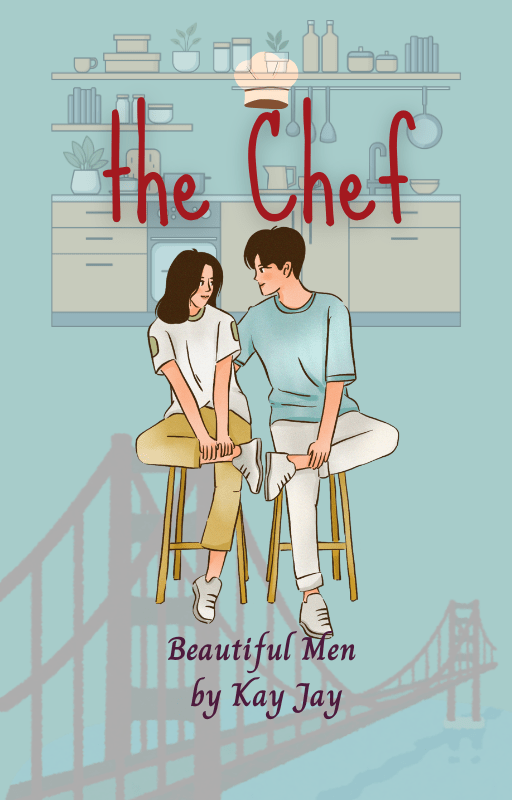
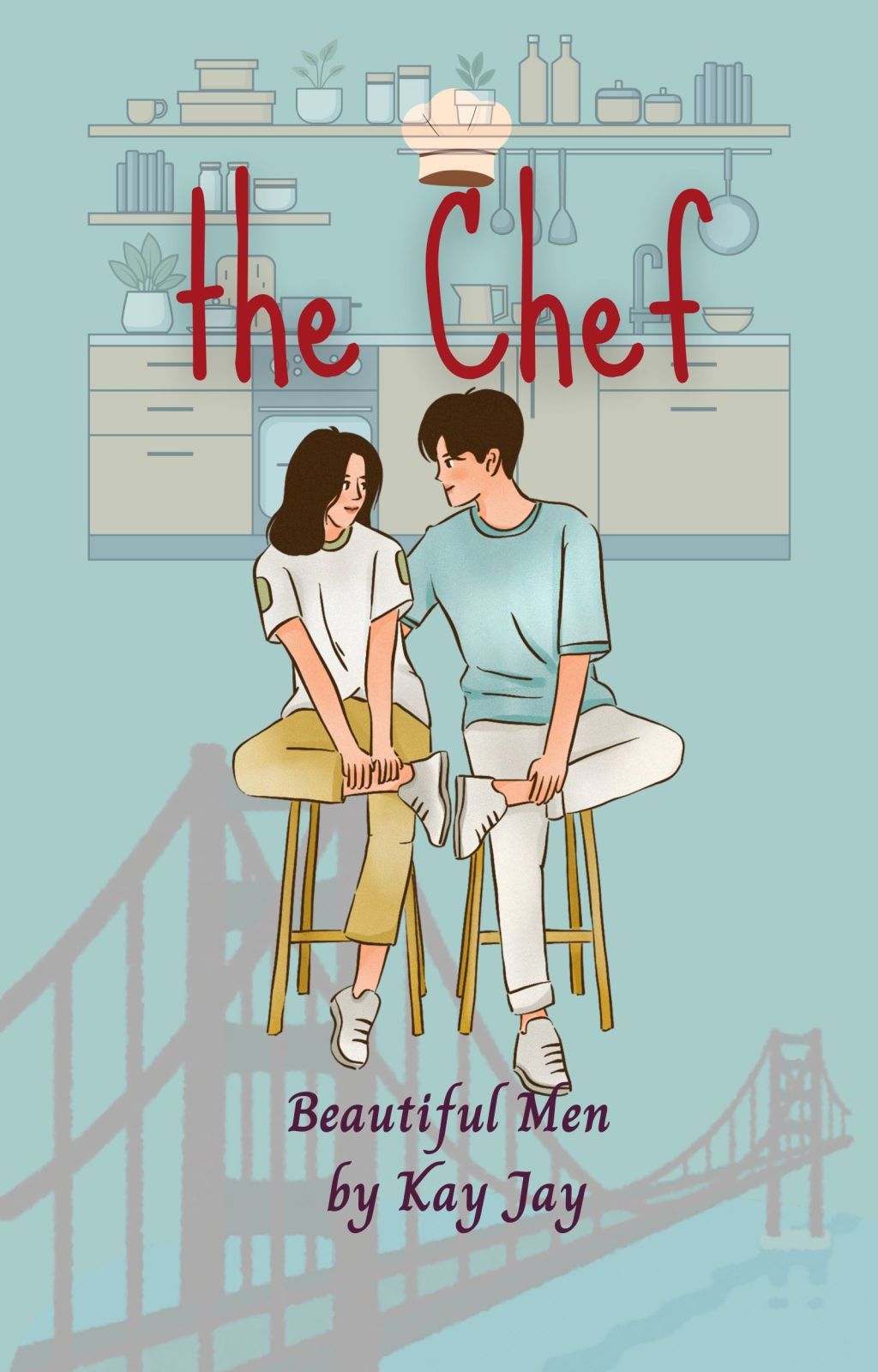
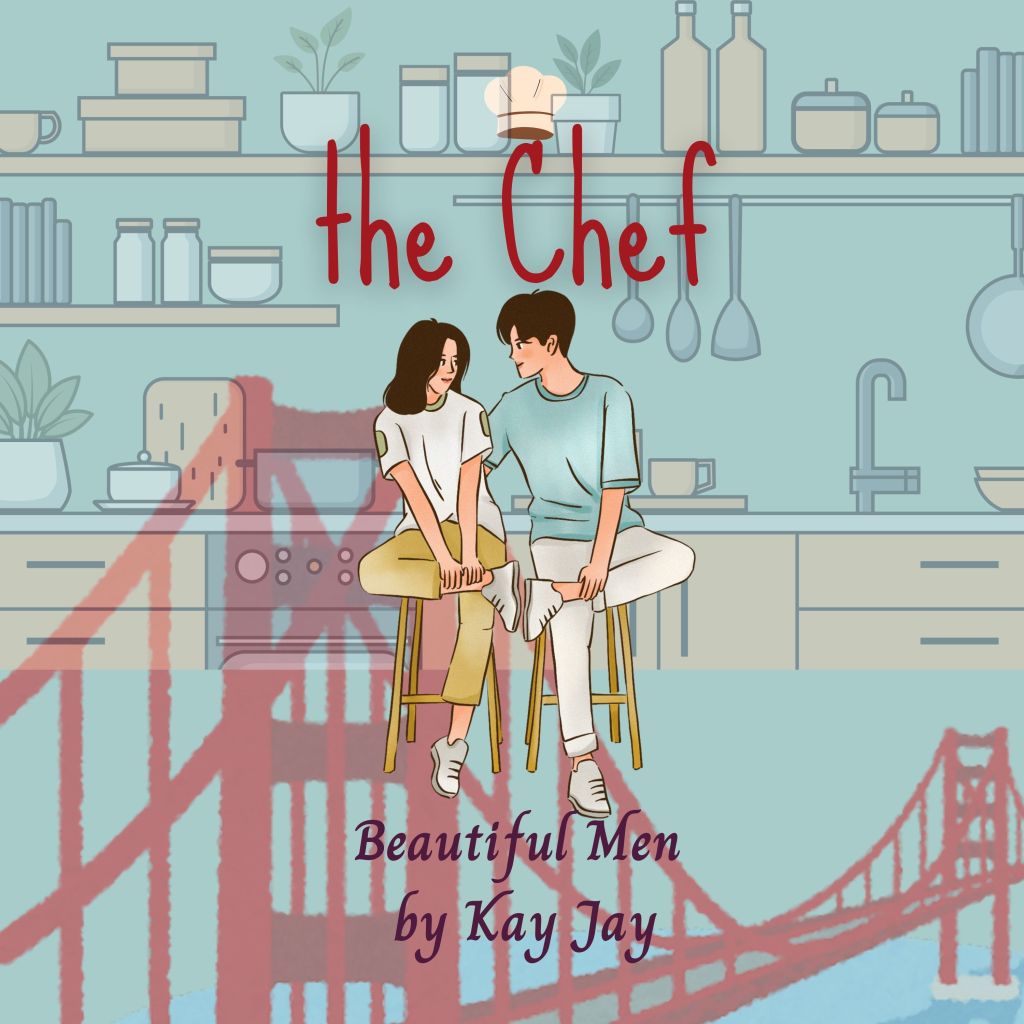
    Beautiful Men: The Chef

    What is your mission?

    There was a time when nourishment felt transactional.

    Food, care, attention—each arrived with an unspoken ledger. Nothing was allowed to remain unaccounted for. To receive was to incur obligation. To accept warmth without explanation felt irresponsible, even dangerous. Independence was not just a value; it was armor.

    Beautiful Men: The Chef was written during the slow, often uncomfortable unlearning of that belief.

    This book uses food as a language for intimacy—not desire, but care. Not pursuit, but presence. The kitchen becomes a site of quiet exchange, where nourishment is offered without spectacle and received without negotiation. In these moments, romance is stripped of its usual performances and redefined as attentiveness.

    Here, romance is not about being chosen. It is about being tended to.

    The figure of the chef is not heroic or idealized. He does not rescue or transform. He notices. He prepares. He offers sustenance without demanding recognition. And in doing so, he exposes a deeply ingrained discomfort: how difficult it can be to receive without immediately reaching for repayment.

    This book asks an uncomfortable question: what if receiving is not weakness, but wisdom?

    Self-sufficiency is often framed as moral virtue. We admire those who need little, who ask for nothing, who carry themselves without visible reliance. But Beautiful Men: The Chef interrogates this ideal, suggesting that it may be less about strength and more about fear—fear of dependency, of disappointment, of vulnerability disguised as autonomy.

    Receiving requires a different kind of courage. It asks us to trust without control, to accept care without managing its consequences in advance. It demands a softness that cannot be optimized or defended.

    My mission in this work is to challenge the mythology of self-sufficiency without romanticizing dependence. The book does not argue for passivity or entitlement. It argues for permission—for the ability to allow nourishment to arrive without guilt, justification, or self-correction.

    Healing, as explored here, is not an achievement. It is not the result of discipline or effort. It is a shift in posture. A willingness to be affected.

    Beautiful Men: The Chef is written for readers who have learned how to provide but forgotten how to receive. For those who equate independence with safety, and control with care.

    If you’ve ever struggled to accept what is freely offered, this book is not asking you to change.

    It is asking you to soften.

    Beautiful Men: The Chef
  • The Road Not Taken (and the Many Detours Along the Way)

    The Road Not Taken (and the Many Detours Along the Way)

    What alternative career paths have you considered or are interested in?

    (Inspired by my book About Life, Choices, and Potholes)

    If someone had told me a decade ago that my “career” would one day include storytelling, healing, and writing about life’s unpredictable messes, I would’ve laughed. I was trained to think in straight lines — college, career, promotions, retirement. Life, however, had other plans.

    Like many of us, I once believed that fulfillment came from achievement — that your title, paycheck, and business card somehow proved your worth. And for a while, I played that game well. Until one day, the system I had built my life around — job, visa, stability — suddenly reminded me that I didn’t truly belong there.

    That moment cracked something open.

    I began asking questions I had avoided for years: If not this, then what?

    That’s how About Life, Choices, and Potholes was born — not from certainty, but from chaos. From nights of wondering what comes next when the path you’ve been walking dissolves beneath your feet.

    Since then, I’ve flirted with many alternative paths — each one whispering a different truth about who I am. Writing became my therapy. Teaching and mentoring opened my heart. Holistic healing, with its roots in energy and intention, taught me that success is not always visible — sometimes it’s felt.

    The world glorifies specialization. But what if we’re meant to evolve — to live many lives within one lifetime? To be the analyst and the artist, the strategist and the storyteller?

    I no longer chase one perfect label. I’m learning to honor the mosaic of it all — the detours, the dead ends, and the potholes that shaped me into something far richer than a résumé ever could capture.

    In About Life, Choices, and Potholes, I invite you to reflect on that too — the alternate versions of you that are waiting patiently to be lived. Because maybe the truest career path isn’t a ladder at all. Maybe it’s a spiral — one that leads you back to yourself.

  • Finding Your Culinary Specialty: A Journey of the Heart

    Finding Your Culinary Specialty: A Journey of the Heart

    What food would you say is your specialty?

    A blog inspired by Beautiful Men: The Chef

    If you asked me this question a few years ago, I might’ve shrugged and said something safe—pasta, maybe. Or a salad that looks healthy but tastes like regret. But now, after writing Beautiful Men: The Chef, I’ve come to see food not as a skill, but as a language of the soul.

    When I think of a “specialty,” I no longer think of what I’m good at cooking. I think of what I’m good at feeling through.

    In the book, Kevin—the chef at the heart of the story—doesn’t just cook to feed others; he cooks to understand himself. Every dish he creates is a confession. The way he slices onions, slow and deliberate, feels like the way one learns to forgive. The way he folds butter into dough, patient and rhythmic, mirrors the way love asks to be tended—over time, with care, and without rushing the rise.

    And Tammy, the woman who walks into his life from the other side of the screen, isn’t impressed by the precision of his plating. She’s drawn to the quiet ache behind his meals—the kind that says, I’ve been lonely too.

    Writing their story changed how I see my own kitchen.

    Now, when I cook, I pay attention to what my body is trying to say. If I’m restless, I make something that simmers—a stew, a curry—something that teaches me to wait. If I’m tender, I bake, because baking is faith in action. You measure, you mix, and then you let go. The oven does its part when you stop interfering.

    That, I think, is my specialty now: listening.

    Listening to what my body craves, to what my heart fears, to what the silence in the kitchen is whispering back. Because food isn’t just about taste—it’s about presence.

    The act of cooking for someone you love, or even for yourself, is deeply spiritual. It’s the most intimate form of saying, I see you. You deserve warmth. You deserve nourishment.

    When Kevin says in The Chef,

    “Cooking was never about impressing anyone—it was about remembering I was still alive,”

    he captures what I think every artist, every lover, every human eventually learns: that love, in all its forms, is an act of remembering.

    So, what food would I say is my specialty?

    Something simple. Something soulful. Something that reminds me of connection—like Kevin’s basil risotto, stirred slowly until creamy and forgiving, or Tammy’s favorite lemon tart, a little tart at first bite but soft at heart.

    Because in the end, the food doesn’t have to be perfect. It just has to be honest.

    And maybe that’s what Beautiful Men: The Chef is really about—learning that the recipe for love, healing, and fulfillment isn’t complicated. It’s about showing up as you are, stirring what you have, and trusting that it’s enough.

    🥄 Experience the story. Taste the emotions.

    Read Beautiful Men: The Chef — available now on Amazon.

    #BeautifulMenSeries #TheChef #FoodIsLove #SoulfulReads #RomanticFiction #KayJay #ModernLove #Bookstagram #AmReading

  • The Risk of Choosing Yourself — and Why It’s Worth It

    The Risk of Choosing Yourself — and Why It’s Worth It

    What’s the biggest risk you’d like to take — but haven’t been able to?

    (Inspired by my book About Life, Choices, and Potholes)

    If you asked me five years ago what my biggest dream was, I would’ve probably said something practical — to climb the career ladder, to live in a beautiful home, to check off a few more countries from my travel bucket list. But if you ask me today what the biggest risk I’d like to take is — it’s far less tangible and far more terrifying.

    It’s the risk of choosing myself.

    Sounds simple, right? But it’s not.

    Choosing yourself means walking away from what doesn’t serve you — even when it once did. It means saying no to jobs that drain you, to relationships that no longer see you, and to the version of yourself you’ve outgrown. It means rebuilding your life from scratch — not because something broke, but because you finally realized you deserve something truer.

    In About Life, Choices, and Potholes, I write about this very moment — that terrifying pause between knowing something isn’t right and daring to change it. I talk about how we stay in safe, predictable loops: the job that looks good on paper, the city that feels like home but treats us like guests, the people who like the version of us that never says no.

    But what if safety isn’t the goal?

    The biggest risk isn’t quitting or leaving — it’s believing that there’s more to your story, even when you can’t see how it ends. I learned that when I packed my life into two suitcases after years in the U.S., forced to start again because of a visa technicality. It wasn’t my choice, but it made me realize how many choices I had avoided making.

    I used to think that control equaled safety. But sometimes life pushes you off the edge to show you how well you can fly.

    So maybe the risk I haven’t yet taken — but hope to, every day — is living unapologetically by my own design. Not out of rebellion, but reverence. For the quiet knowing that whispers, “This isn’t the end — it’s your next beginning.”

    And if About Life, Choices, and Potholes teaches you anything, I hope it’s this — the road might be bumpy, but it’s yours. And that makes all the difference.

  • How Julia Child Inspired My COVID Recovery Through Cooking

    How Julia Child Inspired My COVID Recovery Through Cooking

    Daily writing prompt
    What makes you feel nostalgic?

    Today I feel nostalgic about food, Julia the show and Julie and Julia the movie and the numerous hours I have spent with Mrs. Child watching her do her magic in her beautiful kitchen.

    Julia Child has a very special place in my heart. She was my post-Covid late-night go-to haven. I remember those nights after a long day of remote work and a nice meal inspired by Mrs. Child, I used to go to the movie Julie and Julia, my favorite late-night watch, and fall asleep somewhere in the middle of the scene where she spoke to her favorite lobster, Lou…

    I got hit by Covid really bad. It was so bad that amidst the cognitive confusion and the brain fog, my taste buds forgot to taste. For me, the recovery from all the things I lost in COVID-19—my taste buds, my curves, my creativity—was a long road. That’s when I discovered the show Julia on HBO. And Julia brought me back on track—one recipe at a time.

    I started my mornings trying to make eggs the way she did, pouring coffee the way she did, and tossing and twirling in the kitchen as she did.

    Julia became my support system, my food guru, and my creative confidante during my COVID recovery days. Maybe I sound like Julie from the movie, but maybe I had watched the movie so much—especially my subconscious mind—that I became the movie.

    There was something profoundly comforting about Julia Child’s voice, her mannerisms, her unapologetic love for butter and cream. She wasn’t perfect in the traditional sense, and that imperfection was her magic. It was what made me, in my vulnerable and battered state, feel seen.

    When you’re recovering from something as intense as Covid, there’s an odd loneliness that accompanies the process. Even if you’re surrounded by loved ones, it’s easy to feel detached—like a part of you is stuck somewhere else, struggling to catch up. Watching Julia Child whip up soufflés, debone ducks, and laugh at her own blunders reminded me that life is a series of imperfect attempts. And that trying, even when it feels messy, is worth it.

    I started small. One day, it was a simple omelet. Another, it was crepes. Slowly, my taste buds began to return, one dish at a time. I remember the moment I first tasted the rich, velvety warmth of her boeuf bourguignon recipe—it was like my taste buds were welcoming me home after a long absence.

    But it wasn’t just about food. Julia gave me permission to embrace creativity again. In her kitchen, there were no rules, no rigid standards—just joy, curiosity, and a willingness to make a mess in pursuit of something beautiful. I found myself not just cooking but writing again, sketching ideas, and tinkering with projects I had abandoned long ago.

    Julia wasn’t just teaching me how to cook; she was teaching me how to live. How to find joy in the mundane, how to laugh at my mistakes, how to embrace the process instead of fixating on the result.

    There’s a moment in Julia where she talks about the power of food to bring people together, to nurture and heal. That message hit me deeply. In a time when I felt disconnected from myself and the world, cooking Julia’s recipes became my way of rebuilding those connections. It was my love letter to myself, my family, and the little joys I had overlooked.

    Even now, long after my recovery, I find myself returning to Julia’s world. Her voice is a constant reminder that life is better when it’s seasoned with laughter, butter, and a pinch of perseverance.

    So, here’s to Julia—my late-night haven, my culinary muse, and my unexpected guide through the fog. In her own words, “Bon appétit!”

  • San Francisco

    San Francisco

    If you could live anywhere in the world, where would it be?

    There is something about this city that draws you in. She takes her time with you. Tests you patience and puts you through her own path for you. But she does grow on you.

    I have lived in this city for over a decade and in this time I walked through the uphill downhill streets of my life exactly like the streets of San Francisco.

    While I was not made to feel welcome by its people right away her and me had a thing of our own. She showed me the world through her own lenses.

    There were times when she made me feel lonely, but even then she made me feel absolutely connected and in love with her.

    There is no other place I’d want to be as much as I’d want to be San Francisco.

  • When Food Steals the Show

    When Food Steals the Show

    You ever start watching a movie, and halfway through, realize you’re not even invested in the characters anymore? Nope, it’s not about the hero’s journey, the love triangle, or the big dramatic reveal—it’s about that plate of food that just casually strolls in and becomes the real star of the show. Let’s be honest, a perfect steak or a steaming bowl of ramen can outshine the most complex plot twist any day. Here’s a breakdown of those unforgettable movie food moments that had us all salivating and plotting our next meal.

    1. The Ultimate Comfort Spread

    There’s something magical about those scenes where someone returns to a kitchen full of dishes that taste like love. You know, that kind of spread that feels like a hug on a plate. Maybe it’s a bubbling pot of stew, maybe it’s fluffy rice paired with something rich and saucy. Whatever it is, it’s the food that says, “Hey, life is tough, but here’s something to make it a bit more bearable.” It’s the reason we all want a friend or relative who can whip up soulful dishes that heal more than hunger.

    2. The Kitchen Showdown

    Then there are those moments where two chefs go head-to-head, and it’s like a food version of an epic duel. One’s carefully plating a dish with tweezers, while the other is over there throwing spices into a pan like it’s a sport. These scenes are everything. They remind us that cooking isn’t just a skill—it’s an art, a competition, and a little bit of theater. And, of course, they leave us wondering why our version of “fine dining” usually involves whatever can be microwaved in under three minutes.

    3. Tiny Kitchens, Big Ambitions

    I love scenes where someone’s creating a masterpiece in a kitchen so small it’s practically a closet. Pots teetering on the edge, ingredients in every possible corner, and the character moving around like they’re trying to dance on a postage stamp. Then they pull out a perfectly browned roast or a gorgeous tart, and you’re just left wondering why your attempt at making toast ends with the smoke alarm going off.

    4. Midnight Snack Therapy

    The late-night kitchen scene is a personal favorite. It’s quiet, almost sacred—the fridge light flickers on, and the character begins their therapy session with a knife and cutting board. There’s a meditative quality to it as the sizzle starts, and by the time they’re twirling pasta or scooping rice into a bowl, you’re not sure if you’re inspired or just really, really hungry. These scenes always make me think I should put more effort into my 2 AM snacks than just grabbing chips and calling it a night.

    5. Baking Magic 101

    Let’s talk baking scenes, where flour seems to float like it’s in a dream and everyone’s hands stay mysteriously clean. Watching dough rise, icing drape over a cake, or seeing a perfect golden crust emerge from the oven is strangely hypnotic. It makes you want to rush into your kitchen and bake something, only to remember your last attempt ended with a loaf that could be used as a doorstop.

    6. The Victory Bite

    And finally, there’s that unbeatable moment when the dish is finished, served, and tasted. That first bite that makes everyone’s eyes widen, and forks hover mid-air. It’s like the taste is so good, time slows down for a second. It’s the kind of scene that makes you want to cheer, and then march to your kitchen thinking, “Tonight’s the night I make something incredible,” before inevitably resorting to cereal and calling it gourmet.

    So, next time you watch a movie, don’t just reach for the popcorn. Get ready to fall in love with the food, root for it like it’s the underdog, and maybe even pause the movie to raid your pantry. Because in the end, it’s the food that steals the scene and stays in your memory long after the credits roll.