The Best Advice I Ever Received Was Not About Success
The best advice I ever received did not come in a boardroom, a leadership seminar, or from someone who had figured life out.
It came from the realization that nobody really has.
For years, I believed life was a problem to be solved. If I worked harder, planned better, made smarter choices, collected enough experience, and avoided enough mistakes, I would eventually reach that mythical place called “settled.”
The problem was that life kept changing the questions.
Every time I thought I had found the answer, life quietly changed the exam paper.
A career that looked secure could disappear overnight. A dream could become a burden. A relationship that felt like destiny could become a lesson. A decision that looked like a mistake could become the turning point you needed.
The advice that stayed with me was simple:
“You don’t have to get every decision right. You just have to keep making yourself available for the next chapter.”
It changed the way I looked at mistakes.
For a long time, I saw wrong turns as evidence that I had failed. The job that didn’t work out. The opportunities I missed. The people I trusted. The roads I took that eventually led nowhere.
But maybe life was never a straight road.
Maybe the potholes were part of the journey.
We spend so much of our lives trying to avoid uncertainty. We create five-year plans, career trajectories, financial goals, and carefully designed identities. But somewhere along the way, we forget that the most meaningful parts of our lives rarely arrive according to schedule.
The unexpected friendships.
The accidental discoveries.
The painful endings.
The moments when everything falls apart and forces us to meet ourselves again.
Looking back, many of my biggest transformations did not come from moments when everything went right. They came from moments when nothing made sense.
The layoffs. The transitions. The doubts. The uncomfortable periods where the old version of myself was slowly disappearing, but the new one had not yet arrived.
That messy middle is where most of life actually happens.
We celebrate beginnings and endings. We talk about the dream job, the big achievement, the final destination. But we rarely talk about the confusing years in between—the years where we are rebuilding, questioning, grieving, learning, and becoming.
Those years are not wasted.
They are where we become.
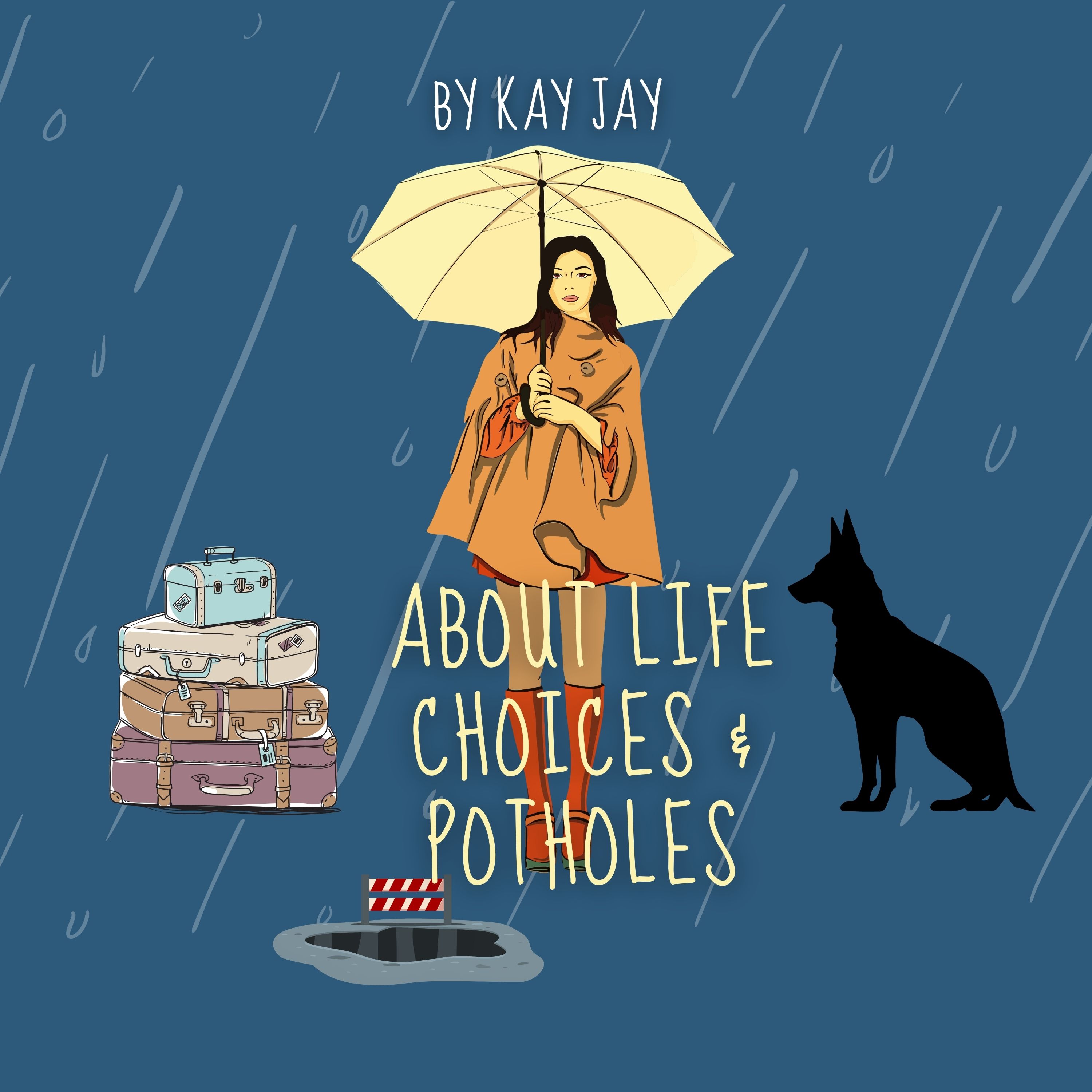
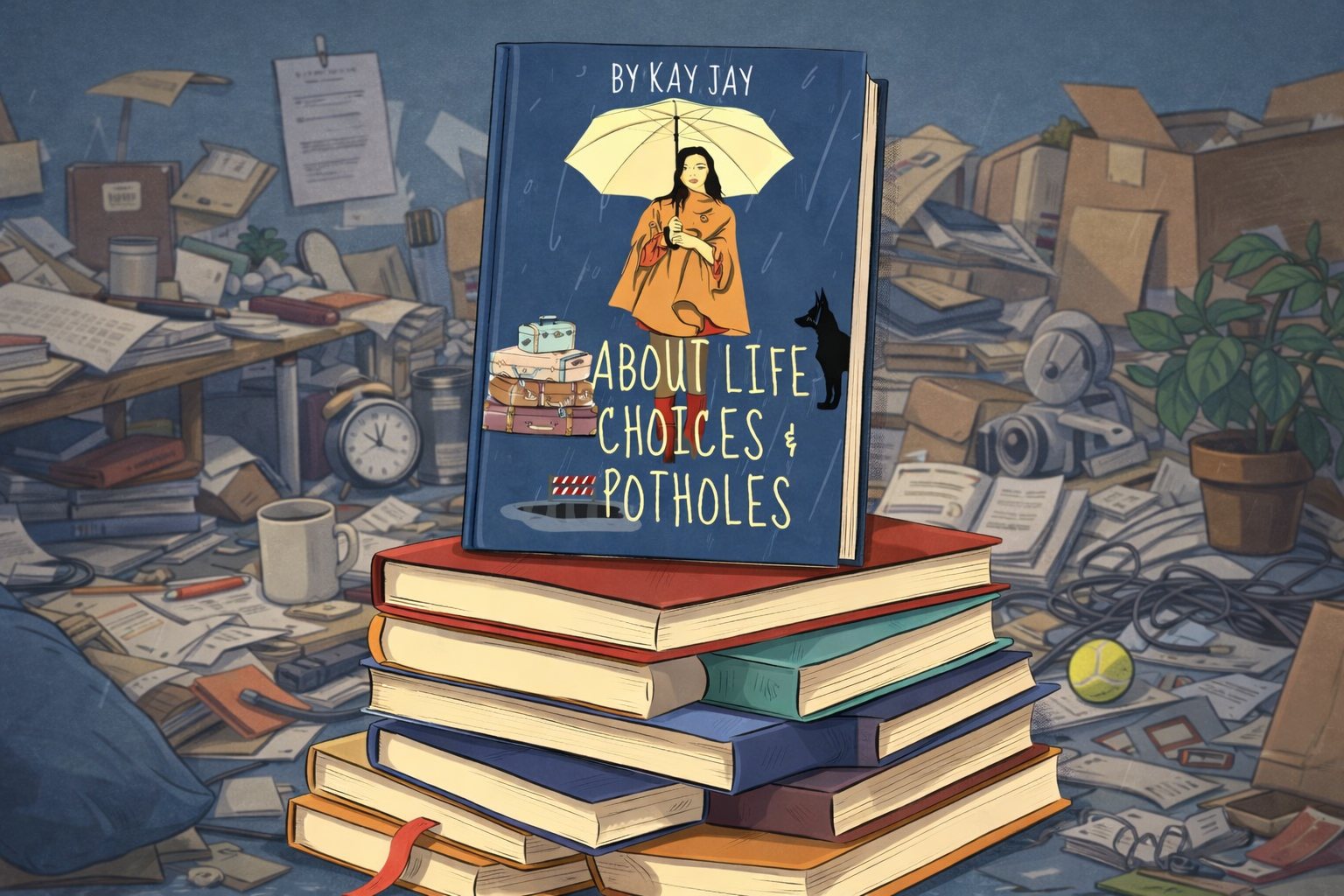
This is the idea behind my book, About Life Choices & Potholes.
It is not a book about having all the answers. It is a collection of reflections about the choices we make, the mistakes we survive, the people who shape us, and the unexpected paths that define us.
Because eventually, we all realize something:
Life is not a highway designed for smooth driving.
It is a road filled with turns, detours, breakdowns, beautiful views, and potholes.
The goal is not to avoid every pothole.
The goal is to learn how to keep driving.
And perhaps the best advice I ever received was this:
Be patient with yourself. You are not behind. You are simply becoming someone you have not met yet.
The Things I Stopped Worrying About (and the Potholes That Taught Me Why)
For most of my life, I worried about getting things right.
The right career.
The right decisions.
The right city.
The right relationships.
The right version of myself.
Like many ambitious people, I believed life was a complicated puzzle, and if I collected enough information, worked hard enough, and made enough intelligent choices, I could solve it.
I built frameworks.
I analyzed possibilities.
I tried to predict outcomes.
I was the kind of person who could spend hours thinking about a decision that would take five minutes to make.
Then life did what life does.
It introduced variables that weren’t in my spreadsheet.
A career I had invested years building changed overnight.
Plans I had carefully designed disappeared.
Things I thought would define me became irrelevant.
Things I never expected became the chapters I remember most.
Slowly, I stopped worrying about being right all the time.
I stopped worrying about whether my journey looked like everyone else’s.
I stopped worrying about falling behind.
Because I discovered something strange:
Most people aren’t actually moving on a straight road. They are simply better at hiding their potholes.
The person who looks successful may be quietly questioning everything.
The person who seems certain may be terrified.
The person who appears to have the perfect plan may be one unexpected turn away from starting over.
We spend so much energy comparing our behind-the-scenes struggles with someone else’s highlight reel that we forget something important:
Everyone has potholes.
The difference is what they do after they hit them.
Do they sit there and complain about the road?
Do they pretend the damage never happened?
Or do they get out, look at what broke, learn something, repair what they can, and continue driving?
That shift changed how I see life.
I still plan.
I still dream.
I still create frameworks and probably still have too many browser tabs open.
Some habits are beyond saving.
But I no longer believe that a perfect plan creates a perfect life.
The unexpected moments—the failures, detours, delays, and breakdowns—often become the moments that shape us the most.
That idea became the foundation of my memoir, About Life Choices & Potholes.
It is a book about the roads we choose, the roads chosen for us, and the unexpected bumps that quietly transform us into the people we were meant to become.
The biggest thing I stopped worrying about?
Whether my life was following the map.
Because I’ve learned that sometimes the best stories begin when you take a wrong turn.
The truth is, I don’t really travel to collect countries anymore. I travel to collect questions.
Every city has given me one.
Some have asked who I wanted to become. Others quietly asked who I had been all along.
Looking back, the places that changed me the most weren’t necessarily the most beautiful. They were the ones that interrupted the story I was telling myself. They made me slower. Hungrier. More observant. Less certain.
If I had to choose ten destinations, these would be mine.
1. San Francisco, USA
Because no city has taught me more about ambition.
San Francisco smells of roasted coffee, eucalyptus after rain, salt carried inland by the Pacific, and impossible optimism. It is where startups become religions and productivity masquerades as personality.
I spent years there believing I was building a career.
In hindsight, I was also building an identity.
The city gave me friendships, opportunities, heartbreak, layoffs, immigration paperwork, impossible hills, dogs who believed every beach belonged to them, and sunsets that forgave almost everything.
It also taught me that Silicon Valley’s greatest export isn’t technology.
It’s hope.
2. Mumbai, India
Because nowhere celebrates chaos quite as beautifully.
Mumbai doesn’t ask for your attention.
It kidnaps it.
The city smells simultaneously of monsoon rain, frying vada pav, jasmine flowers, diesel, incense, fresh fish, sea salt and cardamom chai.
It is impossible to experience quietly.
Here, weddings become theatrical productions with enough food to feed entire neighborhoods. Local trains become sociology classrooms. Vegetable markets become negotiations worthy of diplomatic summits.
Mumbai reminded me that life was never meant to be optimized.
Only experienced.
3. Copenhagen, Denmark
Because simplicity is harder than complexity.
There is a stillness to Copenhagen that almost feels engineered.
Bicycles glide silently.
People trust one another.
Bread deserves its own religion.
Candles appear even when electricity works perfectly.
The city quietly dismantled my belief that success must always be loud.
Sometimes sophistication whispers.
4. London, England
Because history has exceptional storytelling skills.
London doesn’t feel like one city.
It feels like centuries having an ongoing conversation.
Every street carries an argument between empire and modernity.
Every pub contains at least three novels.
Every rainy afternoon somehow improves the architecture.
It taught me that civilizations, like people, are beautifully inconsistent.
5. Goa, India
Because joy requires less planning than we imagine.
Goa has an unusual relationship with time.
Lunch becomes dinner.
One conversation becomes an afternoon.
The sea edits priorities with remarkable efficiency.
The older I become, the more I appreciate places that encourage lingering over arriving.
6. Lonavala
Because some journeys are measured in conversations rather than kilometers.
The drive out of Mumbai has become almost ceremonial.
Fog rolling over the hills.
Roadside chai.
Corn roasted over charcoal.
Unexpected waterfalls appearing after generous monsoons.
Sometimes you travel hundreds of miles to escape.
Sometimes eighty kilometers is enough.
7. Pune
Because cities, like people, can mature gracefully.
Pune possesses an intellectual rhythm that has always appealed to me.
Bookshops.
Old cafés.
Students convinced they’ll change the world.
Retirees convinced the world was better before everyone else tried.
They’re probably both right.
8. New York City, USA
Because nowhere performs confidence quite like Manhattan.
New York moves with astonishing certainty.
Everyone appears late for something important.
The city celebrates ambition without apology.
Yet beneath its velocity are tiny moments of astonishing humanity—a jazz musician in the subway, strangers recommending bagel shops with religious conviction, Central Park reminding millions that nature occasionally wins.
9. The Airports Between Places
An unusual choice.
But airports have become some of the most defining places in my life.
They’re where identities change.
Visas expire.
Suitcases disappear.
Goodbyes become routine.
Airports are the geography of transition.
No one dreams of them.
Everyone remembers them.
10. Home
Whichever version of it exists today.
Home stopped being a location somewhere between immigration queues, corporate layoffs, return flights, family dinners, wedding seasons, and walking Sauli through unfamiliar neighborhoods.
I’ve discovered that belonging has very little to do with geography.
Sometimes it sounds like your parents arguing over tea.
Sometimes it’s the smell of biryani drifting through an apartment window.
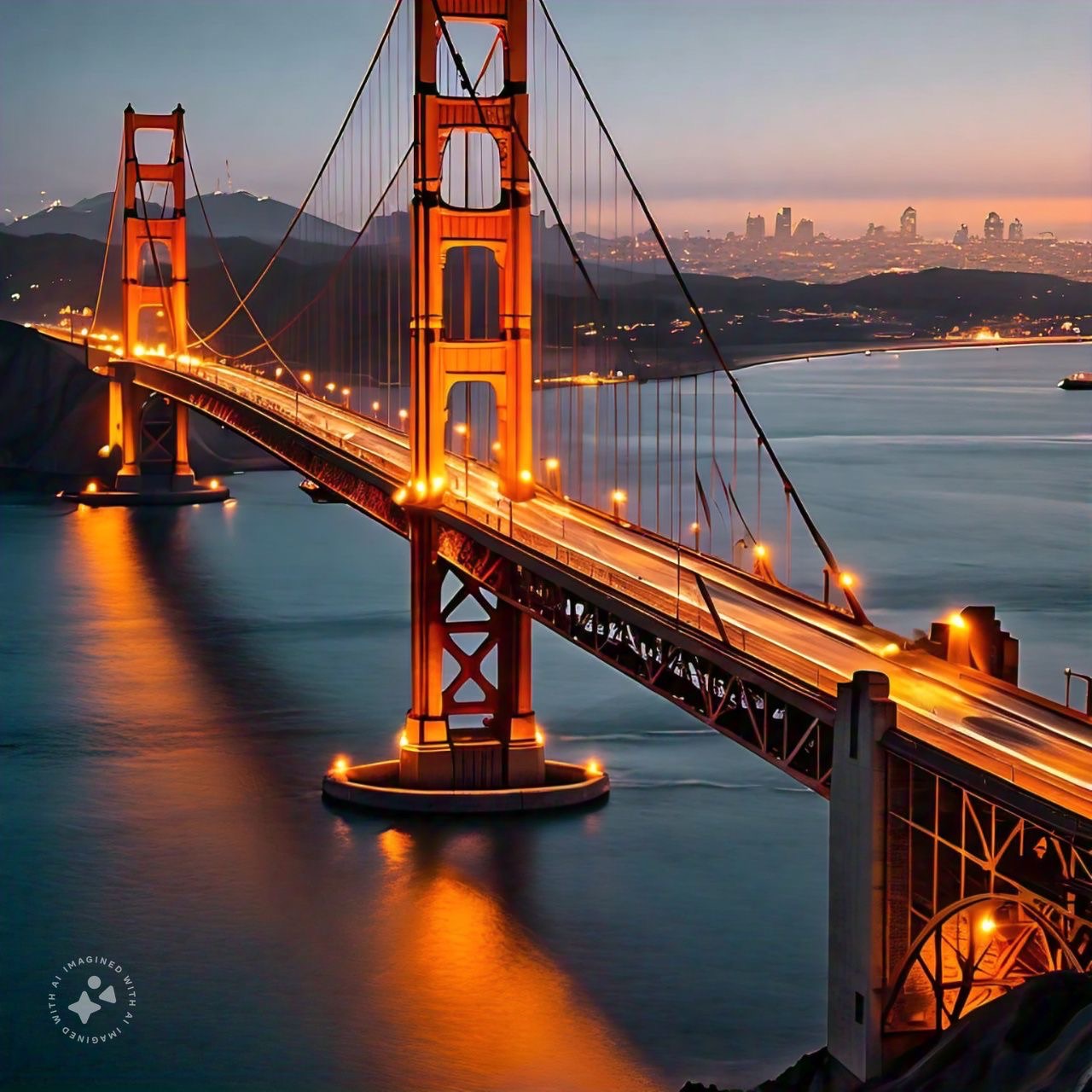
Sometimes it’s watching fog roll over the Golden Gate Bridge.
Sometimes it’s simply knowing which grocery store sells the good mangoes.
Perhaps that’s why I struggle with lists like these.
The best destinations don’t give us photographs.
They quietly rearrange us.
Many of these places appear throughout About Life Choices & Potholes, not as tourist destinations, but as characters. They host careers and heartbreaks, immigration interviews and Indian weddings, lost luggage and found friendships, extraordinary meals and ordinary Tuesdays. Looking back, I don’t think I was travelling to discover the world.
I was travelling to discover that life, much like a good city, is best explored on foot—with curiosity, a healthy appetite, and enough humility to accept that the scenic route is usually the memorable one.
My favorite quote isn’t from a philosopher or a CEO. It’s one I’ve slowly arrived at myself:
“Life doesn’t change at crossroads. It changes in potholes and fallen trees.”
We spend so much of our lives waiting for dramatic moments—the perfect opportunity, the big decision, the career change, the wedding, the move. We imagine life as a series of intersections where we consciously choose left or right.
But when I look back, the moments that shaped me weren’t crossroads at all.
They were potholes.
The layoff I never planned for.
The relationship that ended.
The illness that slowed me down.
The wrong turn that introduced me to the right people.
The idea that failed.
The one that unexpectedly worked.
Potholes don’t ask for permission. They shake you, damage your plans, force you to stop, repair, rethink, and sometimes take a completely different road.
Ironically, those detours become the story.
That’s the idea behind my memoir, About Life Choices & Potholes. It’s a reminder that while we celebrate our choices, we’re often quietly shaped by everything life chose for us.
Looking back, I don’t remember every decision I made.
The Best Dish I Ever Ate Was Never Just About Food
People often ask me, “What’s the best local dish you’ve ever eaten while traveling?”
It sounds like a question about food. About flavors. About that one unforgettable meal that made you close your eyes and say, “Wow.”
But the older I get, the more I realize that the best dishes are rarely about the ingredients. They are about the people, the places, the memories, and the version of yourself that existed when you ate them.
I have eaten incredible food across the world — from the elegance of Copenhagen to the chaos and comfort of Mumbai, from the familiar streets of San Francisco to the hidden corners of cities that make you pause and wonder how many stories exist beyond your own.
But the meals I remember most are not necessarily the most expensive or the most famous.
They are the ones that carried a story.
A simple plate of food prepared by someone who had spent decades perfecting a recipe. A meal shared with strangers who became friends. A dish eaten while sitting somewhere unfamiliar, realizing that for a brief moment, you belonged there.
Travel has a strange way of doing that. It removes the labels we carry at home — our careers, our achievements, our failures, our identities. Suddenly, you are just another person sitting at a table, waiting for a plate of food to arrive.
And sometimes that plate teaches you more than any guidebook ever could.
One of my biggest realizations while writing About Life Choices & Potholes was that life itself is a journey of unexpected flavors. Some chapters are sweet. Some are bitter. Some leave a strange aftertaste that you only understand years later.
We spend so much of our lives searching for the perfect destination, the perfect career, the perfect relationship, the perfect version of ourselves.
But life is rarely a Michelin-starred experience.
It is street food.
Messy. Unpredictable. Sometimes confusing. Occasionally disappointing.
And yet, somehow, unforgettable.
The best dish I ever ate while traveling was not just a recipe. It was a reminder that every place has a story, every person has a history, and every moment has something to teach us.
Maybe that is why we travel.
Not just to see new places.
Not just to taste new food.
But to discover new versions of ourselves.
About Life Choices & Potholes is a collection of those discoveries — the unexpected turns, the wrong roads, the beautiful detours, and the lessons hidden inside the messiness of life.
Because eventually, we all realize the same thing:
The potholes were never interruptions in the journey.
There’s a specific guilt that shows up right around the third time you post some version of the same idea in one week, a little voice that sounds suspiciously like a teacher checking for plagiarism, asking whether you’re actually being lazy right now, dressed up as a system. I felt that voice constantly when I started multiplying instead of creating from scratch every time. I want to talk about it, because I don’t think I’m the only one who’s felt vaguely fraudulent doing this.
Where the guilt actually comes from
I think it comes from a rule nobody stated out loud but everyone absorbed anyway: new content is virtuous, and reused content is a shortcut, and shortcuts are for people who aren’t willing to put in the real work. I believed some version of that for a long time, which is strange in hindsight, because I don’t apply that standard to literally anything else. Nobody thinks a chef is cheating for cooking the same excellent dish twice. Nobody thinks a musician is cheating for playing the same song at two different shows. But post the same idea on two platforms, in two formats, and some part of your brain quietly files it under “getting away with something.”
I did the actual audit on this feeling and it did not survive contact with logic, but it survived contact with logic for a surprisingly long time regardless, because guilt doesn’t require evidence, just a comfortable, familiar shape.
The reframe that actually worked
Here’s what finally moved the needle for me: nobody experiences my content the way I do. I see the same idea nine times because I’m the one making all nine versions. My actual audience sees, at most, one or two of those nine — a clip here, an article there, a newsletter they happened to open. To them, it isn’t repetition. It’s just the one piece of content they encountered, doing its job, once, the way any single post is supposed to.
The guilt was a symptom of being the only person in the room who’d seen behind the curtain. Everyone else just sees the show.
What I had to actually admit to myself
The uncomfortable truth is that “new content every time” was never actually a virtue. It was a constraint I’d mistaken for a value, and a genuinely exhausting one. Making something new from scratch isn’t more honest than multiplying a good idea properly — it’s just more expensive, and I’d confused the expense for integrity, the way you might mistake a harder workout for a better one even when it’s just worse programming.
A good idea, treated with real care and turned into several honest, distinct pieces of work, isn’t a shortcut. Writing an actual standalone article instead of just slapping a transcript online, cutting a clip that stands on its own instead of just trimming for length — that’s still work, real work, just not work I have to invent fresh raw material for every single time.
Where I landed
I still get a flicker of the old guilt occasionally, usually late at night, usually right before I post the fifth thing that traces back to Monday’s notes. I let it pass through without acting on it now, the way you’d let a familiar, slightly annoying song play out instead of turning it off. It’s not information. It’s just an old habit of thought that hasn’t caught up to how I actually work anymore.
The chef doesn’t feel guilty about the second plate. I’m working on it.
Ready to stop treating good ideas like single-use plastics?
I’ve always believed that true romance isn’t found in a “neat little package” tied with a perfect bow. To me, romance is something much grittier and more profound; it is the quiet, often terrifying courage of watching someone you love fall apart and choosing to stay anyway.
Beyond the Michelin-Starred Facade
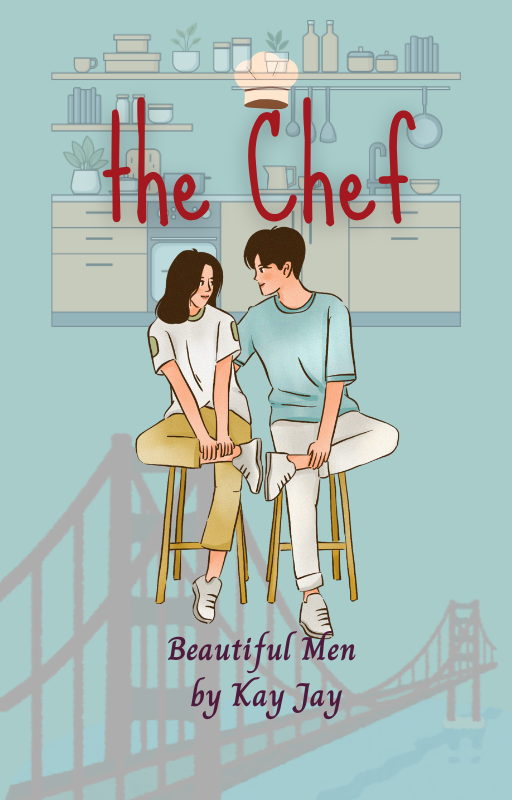
When I wrote The Chef, I wanted to explore what happens when the “Michelin-starred” success of a man like Kevin collides with the “lead apron” of depression. In the world of romance, we often want the hero to be untouchable, but Kevin is haunted by a “gnawing emptiness” that makes even answering a text feel like a “Herculean effort”.
Real intimacy in that story isn’t just about the “alchemy of flame, butter, garlic, and wine” they share in the kitchen. It’s the moment Tammy looks past his professional prestige to see the man whose “inner world was crumbling”. I believe that intimacy is not about a “flawless performance”; it is the raw honesty of showing up “hungry, imperfect, and willing to be fed”.
The Honesty of the “Nuts” and the Messy
Book cover for Beautiful Men: The Dog Walker.
I know that my approach to storytelling can be polarizing. When The Dog Walker was released, a reviewer called my protagonist, Sarah, “absolutely nuts” for her humiliating, grief-stricken attempts to connect with Andy. I actually smiled when I read that. Why? Because I didn’t set out to write a flattering story; I set out to write about longing that is “raw, unfiltered and humiliating”.
If Sarah’s journey made you uncomfortable, it’s because “discomfort is the art” and “awkwardness is the honesty” of the human condition. Romance is being messy. It is the “cringeworthy moments” we usually try to hide, laid bare before another person who doesn’t turn away.
Navigating the Digital Abyss
In Fever Dreams, I took this theme into the “digital labyrinth”. Dev and Mira are two souls who find a “fragile sanctuary” through a screen, yet they are paralyzed by the fear that a physical meeting will shatter their “shimmering mirage of belonging”.
They are “spectators in their own lives,” wondering if their connection is a genuine bond or just a “projection of their own desires”. Romance, in their world, is the agonizing wait for a “tomorrow” that perpetually recedes. It is the willingness to confront the “void” together, even when reality feels “slippery” and unaligned with your desires.
Choosing the Shared Imperfection
Ultimately, I write for the “thinkers, feelers, and the ones who never stopped wondering”. We live in an age of curated profiles and “manufactured smiles,” but my stories insist that we are more than our masks.
True connection is born out of “shared imperfection”. It is the realization that while we are all navigating our own “urban mazes” of loneliness, there is a “pathway to connection” found in the very things that make us fall apart. Thank you for having the courage to walk with me through these shadows.
In an era defined by the “paradox of modern connection,” we often find ourselves technologically linked to thousands yet fundamentally isolated within a “digital labyrinth”. In my latest literary works, particularly the Beautiful Men series and Fever Dreams, I suggest that the way out of this “existential claustrophobia” isn’t through more screens, but through the tangible, messy, and unvarnished realities of life—specifically through food and the companionship of dogs.
Food: The Emotional Language of Healing
Across these stories, food is never portrayed as merely biological sustenance; it is a critical “lifeline for mental health”. In The Chef, the kitchen serves as a “crucible” where the protagonist, Kevin, uses the “alchemy of flame, butter, garlic, and wine” to keep the “lead apron” of depression from swallowing him whole.
When human language feels “mechanical” or inadequate to express deep-seated pain, food becomes a form of “confession without speaking”. Every pinch of spice or rhythmic chop of a knife carries fragments of a character’s inner life, turning meals into “love letters” and “prayers” for a life that feels out of reach. By returning to the “familiar rhythms of cooking,” characters can “stitch back together the pieces” of their fractured selves and find a sense of purpose amidst professional or personal failure.
Dogs: Beacons of Authenticity
If food is the language of the soul, dogs are the “beacons of authenticity” that cut through the noise of a “screen-driven world”. In a digital landscape filled with “manufactured smiles” and “fleeting bios,” the presence of a dog in a profile signals a capacity for loyalty and care that pixels alone cannot convey.
Dogs act as powerful catalysts for connection in several ways:
Shared Language: In The Dog Walker, Sarah and Andy’s bond is defined by an emotional language that is “not about words, but about feelings,” facilitated entirely by their furry friend.
Bridging Realities: The “playdate premise” often provides the necessary push to move a digital connection into the physical world. Meeting for a “furry little playdate” forces characters into raw, unscripted interactions—such as a “comedy of errors” with fighting pets—that strip away the “scripted performance” of online chat.
Soulful Anchors: For those navigating job loss or grief, dogs provide a “lonely haven” and a sense of structure, preventing total isolation within the “digital abyss”.
Defining Real Intimacy Through Discomfort
Real intimacy is not found in a “neat little romance package” or a “flawless performance”. Instead, it is born out of “intentional discomfort”.
I write to reveal longing that is “raw, unfiltered and humiliating,” asserting that “awkwardness is the honesty”.
Authentic connection requires the “quiet courage” to show up “hungry, imperfect, and willing to be fed”. It is the willingness to sit with the “gnawing emptiness” of another person and find companionship in the “shared imperfection” of being human. By grounding themselves in the earthly reality of a shared meal or the unconditional gaze of a dog, characters find a way to transcend the “shimmering mirage of belonging” offered by technology and discover a intimacy that is both “spiritual and profound”.
“I Thought I Was Making Progress. Turns Out I Was Just Taking Notes.”
For a long time, I believed progress had a shape. It was linear. It moved forward. It came with milestones, approvals, and the quiet satisfaction of knowing you were doing life correctly. I mistook motion for momentum and optimism for clarity. When things didn’t work out, I told myself I was almost there—as if life were a badly signposted highway and I’d missed the exit by a few feet.
What I didn’t account for were potholes.
Not the dramatic kind—the ones that make for good stories later—but the small, daily craters that jolt you just enough to make you question your alignment. The job that seemed right until it wasn’t. The relationship that taught you more through its ending than its duration. The choice that looked sensible on paper and absurd in practice. None of these felt like failures at the time. They felt like detours. Temporary inconveniences. Notes I didn’t realize I was taking.
I was convinced that if I just chose better—worked harder, waited longer, trusted sooner, trusted less—life would smooth itself out. That wisdom was something you acquired before the mess, not because of it. But hindsight has a cruel sense of humor. It reveals that the mess was the curriculum. The potholes weren’t interruptions to the journey; they were the journey, quietly shaping how I moved, what I noticed, and when I finally slowed down enough to listen.
This book was not written from the vantage point of arrival. There is no triumphant before-and-after, no clean arc from confusion to certainty. It was written from the middle—from the place where you realize that every confident step you took was also a footnote in a longer story. A story about trying, recalibrating, and learning that progress is often only visible in reverse.
Life Choices and Potholes is a record of those notes. Some are thoughtful. Some are sarcastic. Some were scribbled in moments when clarity felt wildly overrated. Together, they form a map—not of where I was going, but of how I learned to stay present while not knowing. And if there’s any progress worth claiming, it’s this: I no longer rush to pave over the potholes. I slow down, take better notes, and keep going anyway.