Category: mindfulness

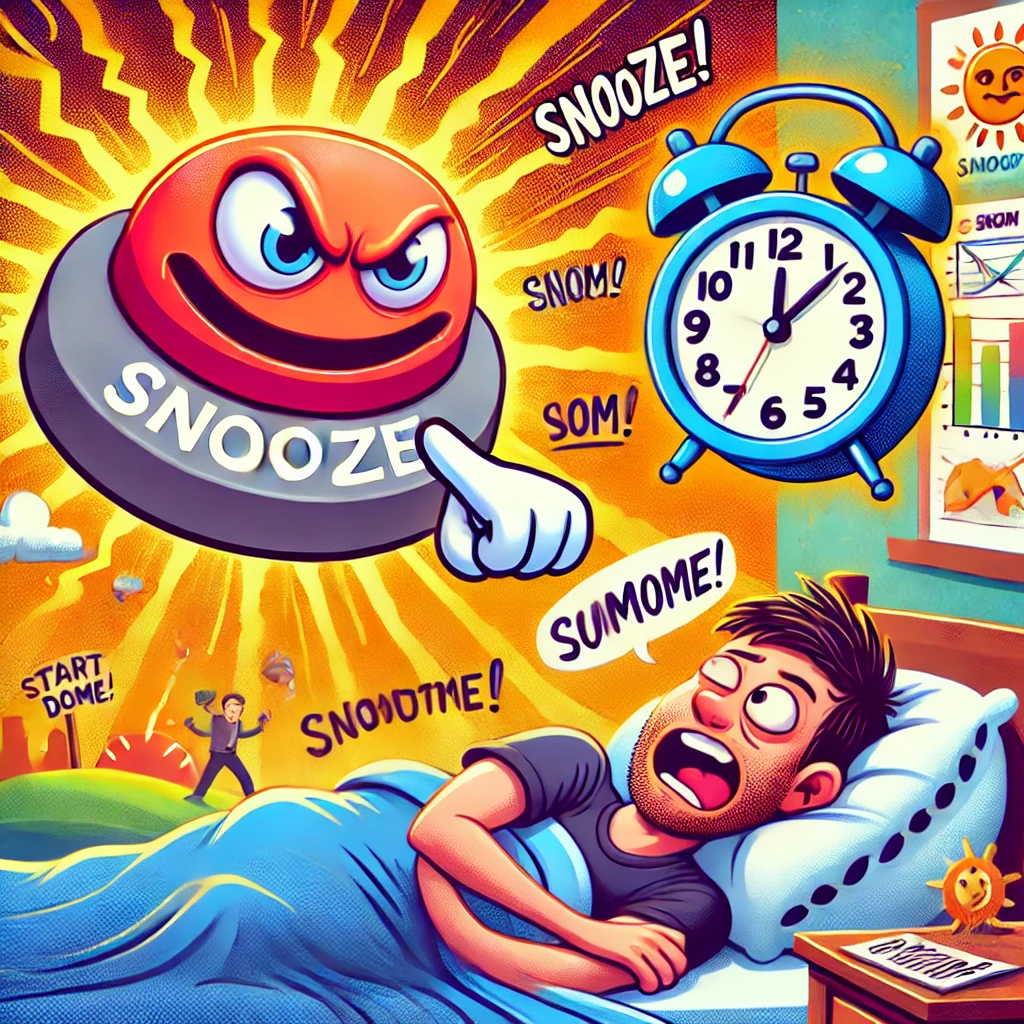
  • Let’s Leave the Snooze Button Behind

    Let’s Leave the Snooze Button Behind

    What technology would you be better off without, why?

    I’d leave behind the Snooze Button. It’s a deceptive little piece of technology, enabling the illusion of “more time” while actually stealing your most productive hours. Think about it—how many world-changing ideas, quiet reflections, or early morning epiphanies have been obliterated by those extra 9 minutes? Without it, we might be forced to confront the day head-on, embracing the discomfort of waking up as a metaphor for all the other challenges we shy away from. Plus, let’s face it, no one ever really feels better after snoozing. It’s a tiny time thief we’ve let live rent-free in our lives for too long.

    The Technology That Silently Steals Our Potential

    At first glance, the snooze button appears harmless—a small convenience for the sleep-deprived, a comforting bridge between the harsh reality of waking up and the softness of slumber. Yet, this unassuming piece of technology has quietly embedded itself into our lives as an accomplice in procrastination and missed potential. It’s time to confront its true nature and consider what life could look like without it.

    The Deceptive Allure of “Just 9 More Minutes”

    The snooze button thrives on one seductive promise: “just a little more time.” But what does it really offer? The extra minutes it grants us are rarely restful. Sleep experts have long debunked the myth of the “second snooze.” Those fragmented bits of sleep fail to provide the deep restorative cycles our brains need. Instead, they deliver grogginess and, ironically, more fatigue—a phenomenon known as sleep inertia.

    But the problem runs deeper than biology. The snooze button doesn’t just delay our mornings; it sets a tone for the entire day. By indulging in the snooze, we’re practicing avoidance. We’re allowing hesitation and resistance to gain the upper hand before we’ve even taken our first conscious step.

    The Ripple Effect of Hesitation

    Habits are powerful forces, shaping the trajectory of our lives in ways we don’t often realize. The act of snoozing is no exception. When we repeatedly choose to hit snooze, we reinforce the habit of delay. The simple act of rolling over instead of rising becomes a subconscious declaration: “I’m not ready to face the world.”

    This decision reverberates throughout the day. Maybe we put off responding to an important email, delay starting that passion project, or avoid an uncomfortable conversation. The snooze button teaches us, in small but consistent ways, that it’s okay to defer the things that matter.

    What Could We Gain by Letting Go?

    Imagine a world without the snooze button. Without the option to delay, we might finally embrace the discomfort of waking up as an opportunity for growth. Mornings would become a time of clarity and action rather than hesitation and fogginess. The challenge of getting out of bed could transform into a daily exercise in resilience—a microcosm of the larger battles we face in life.

    By abandoning the snooze, we’d reclaim our mornings. Those early hours, often untouched by the chaos of the day, are fertile ground for creativity, reflection, and productivity. It’s no coincidence that many of history’s most influential figures—from Benjamin Franklin to Maya Angelou—practiced disciplined morning routines. They understood that the way we start the day shapes its entirety.

    A Metaphor for Bigger Battles

    Leaving the snooze button behind isn’t just about mornings; it’s about mindset. It’s about confronting life head-on, without the crutch of delay. It’s about waking up—literally and metaphorically—to the opportunities and challenges before us.

    In a world obsessed with innovation, we often focus on what new technologies we can create, but perhaps it’s equally important to consider what we should leave behind. The snooze button, a relic of avoidance, has no place in a life driven by purpose and intention.

    So tomorrow, when the alarm rings, resist the urge to hit snooze. Get up, take a deep breath, and step into the day with courage. You might be surprised by what those first few moments of action can spark—not just in your morning, but in your life.


  • Focused Manifesting

    Focused Manifesting

    What book are you reading right now?

    I generally don’t have the patience to sit down and read a book cover to cover.

    I take my time absorbing it, breathing in it and completely internalizing it.. that is.. if I really like the book.

    Here I am only talking about non-fiction. That’s been my genre lately.

    So going back to this book I am reading – Focused Manifesting.

    I picked this book around a time when nothing was working for me. No power of attraction. No amount of meditations. No amount of mindfulness techniques. To an extent where I had completely given up on life and had even stopped trying to push through my dreams.

    It’s usually these times when a good book finds you. And that’s how Focused Manifesting found Me.

    A few things that resonated in this book that have not really been written about anywhere else:

    • Effect of Pendulums – These are social, economic and existential factors whose combined effect acts as a moving pendulum that could affect our better judgements during our manifestations for ourselves. Eg: Family pressure, peer pressure, etc. This resonated with me a ton given I had just changed my living situation from living by myself to living with my family. Because of this change the social pendulum s had started acting against me.
    • Emotional Inertia – This one was a game-changer for me. I was caught in a past that was non-existential. But the emotions that I had gathered and stored into my psyche (emotions from the past) still had a combined effect on my present which was a huge obstacle in manifesting my dreams for the future.

    I am still reading the book. But one thing I know for sure.. the right book had finally found me.

  • They might not deserve your love but they sure deserve your kindness

    They might not deserve your love but they sure deserve your kindness

    I spent a lot of time the past couple of years dealing with a broken heart. There was love that got lost, taken, or simply unreceived. And there I was left to fend for myself. Me and my broken heart.

    Picture Credit: Pinterest

    Dealing with a broken heart is like dealing with a beloved pet who is in pain. There is nothing much you can do besides accepting your brokenness and trying to push forward one day, one moment, one millisecond at a time.

    At some point, you get tired of your pain. Your body feels fatigued. Your mind wants to give up. But there it is – your heart, still ailing, still aching.

    Every time my heart ached, I felt love for the one she was aching for. Every time I felt love I felt betrayal. I felt like I was betraying myself for feeling love for the very person who broke my heart.

    When I felt love my heart felt better. The pain alleviated. When I felt betrayal the heart hurt more. That’s where I got my answer. My heart did not want to feel betrayal, only love. Love for the person who had broken it. Love for the person who refused to receive it. Love for the person who ignored its presence.

    So I decided to do justice. I decided to feel love in place of betrayal. I felt love and sent it forth to whoever it was meant for. I continued to do so until my heart stopped feeling pain. Now it only felt love.

    Wasn’t it unfair that I was sending love from my heart to the very people who had broken it? No, it was not. It was healing.

    I was being kind. In being kind to my heart I had extended my kindness to the ones my heart seeked. And my kindness had healed my pain.

    As time passed, I began to realize that kindness was not a sign of weakness, but a profound strength. My heart, fragile and bruised, was learning to heal itself not by harboring resentment or bitterness, but by nurturing the very essence of love that it was built for.

    This journey taught me that while not everyone may deserve our love, everyone deserves kindness. Kindness is an act of self-preservation as much as it is an act of generosity. By choosing kindness, I was choosing to protect my heart from further damage caused by negative emotions like hatred and resentment. I was choosing to rise above my pain and not let it define me.

    In this process, I discovered a deeper sense of empathy and compassion. I understood that those who had caused me pain were also struggling with their own battles, their own fears, and insecurities. My kindness became a bridge, not to them, but to my own peace and healing. It allowed me to let go of the past and focus on the present, where I could cultivate happiness and contentment.

    It wasn’t easy. There were days when my resolve wavered, when the weight of my sorrow felt too heavy to bear. But I reminded myself that healing is not a linear process. It’s a journey with ups and downs, and every step, no matter how small, was a step towards recovery.

    Through this journey, I also learned to be kind to myself. I allowed myself to feel my emotions without judgment, to grieve, and to find solace in my own company. I practiced self-care, nurturing my body and mind with patience and love. Slowly, I started to see the world not through the lens of a broken heart, but through the eyes of someone who had survived and grown stronger.

    The paradox of kindness is that while it may seem like you’re giving a part of yourself away, you’re actually enriching your own soul. The love I sent out into the world returned to me in the form of inner peace and strength. My heart, once broken, had become resilient. It had learned that love was not a finite resource, but an infinite wellspring that could heal and transform.

    In the end, I came to understand that my journey was not just about overcoming heartache but about embracing a way of life that valued love and kindness above all. It was about recognizing the power of my own heart to heal itself and others. And in that realization, I found a profound sense of fulfillment and joy.

    So, to anyone dealing with a broken heart, remember this: They might not deserve your love, but they sure deserve your kindness. In being kind, you heal not just your own wounds but contribute to a world that is in desperate need of more love and compassion. And in the process, you’ll find that your heart, capable of immense love, is also capable of immense strength.

    Kay’s Corner
  • What if fear is your first response to everything?

    What if fear is your first response to everything?

    Managing Stress – Part 3

    Several factors can contribute to fear becoming a first response to everything.

    Fear, as a primal instinct, serves a vital role in keeping us safe from potential threats. However, when fear becomes the default response to every situation, it can significantly impede our ability to navigate daily life with ease and confidence. Understanding why fear takes precedence in our reactions is key to developing effective strategies for managing and overcoming it.

    From past traumas and genetic predispositions to learned behaviors and underlying anxiety disorders, each factor contributes to the complex interplay of emotions and cognitive processes underlying fear-based responses. By gaining insight into these underlying mechanisms, individuals can begin to cultivate resilience and reclaim agency in the face of fear.

    1. Past Trauma: Previous traumatic experiences, such as abuse, accidents, or significant losses, can create a heightened sense of fear and hypervigilance. The brain’s natural response to protect itself may lead to a tendency to perceive danger in everyday situations.

    2. Genetic Predisposition: Some individuals may have a genetic predisposition to anxiety disorders or heightened fear responses. Genetic factors can influence the functioning of neurotransmitters and brain structures involved in processing fear and threat.

    3. Learned Behavior: Growing up in an environment where fear was a prevalent response or witnessing others reacting fearfully to various situations can contribute to the internalization of fear as a coping mechanism. Children often learn from the behavior modeled by their caregivers and surroundings.

    4. Cognitive Biases: Certain cognitive biases, such as catastrophizing (expecting the worst possible outcome) or overgeneralizing (applying negative experiences to unrelated situations), can lead to an exaggerated perception of threat and a propensity towards fear-based responses.

    5. Perceived Lack of Control: Feeling a lack of control over one’s environment or circumstances can fuel feelings of vulnerability and insecurity, leading to a heightened sense of fear. Uncertainty about the future or feeling powerless in the face of challenges can exacerbate this response.

    6. Conditioning: Repeated exposure to fear-inducing stimuli or experiences without adequate coping strategies or support can lead to a conditioned fear response. The brain learns to associate certain triggers with fear, leading to an automatic fear reaction.

    7. Underlying Anxiety Disorders: Generalized anxiety disorder (GAD), panic disorder, phobias, and other anxiety disorders are characterized by excessive and persistent fear or worry. Individuals with these disorders may experience fear as a dominant emotional response across various situations.

    8. Biological Factors: Imbalances in neurotransmitters such as serotonin and gamma-aminobutyric acid (GABA), as well as alterations in brain structures like the amygdala and prefrontal cortex, can contribute to heightened fear responses and difficulty regulating emotions.

    Living in a constant state of fear can be overwhelming and debilitating, impacting every aspect of one’s life. When fear becomes the default response to situations, it can hinder decision-making, relationships, and overall well-being.

    Let’s delve into actionable steps to break free from the grip of constant fear and embrace a more empowered way of living.

    Understanding the underlying reasons for fear becoming a first response is crucial in developing targeted interventions and strategies for managing and mitigating its impact on daily life. Therapy, self-help techniques, and lifestyle modifications can all play a role in addressing fear-based responses and fostering a greater sense of calm and resilience.

    If fear is your first response to everything, it can significantly impact your daily life, decision-making, and overall well-being. Here are some steps you can take to address this pattern:

    1. Acknowledge Your Fear: Recognize and acknowledge that fear is your default response. Awareness is the first step towards making positive changes.

    2. Identify Triggers: Pay attention to the situations, thoughts, or emotions that trigger fear responses. Understanding your triggers can help you anticipate and manage your reactions more effectively.

    3. Challenge Negative Thoughts: Question the validity of your fearful thoughts and beliefs. Ask yourself if there is evidence to support them or if they are based on assumptions or past experiences. Consider reframing your thoughts in a more balanced and realistic way.

    4. Practice Mindfulness: Engage in mindfulness practices to cultivate present-moment awareness and observe your thoughts and feelings without judgment. Mindfulness can help you disengage from automatic fear responses and choose more intentional reactions.

    5. Gradual Exposure: Gradually expose yourself to situations or activities that trigger fear in a controlled and supportive environment. This gradual exposure can help desensitize you to fear-inducing stimuli and build confidence in your ability to cope.

    6. Seek Support: Reach out to friends, family members, or a therapist for support and guidance. Talking to others about your fears can provide validation, perspective, and practical strategies for managing them.

    7. Focus on Self-Compassion: Be kind and compassionate towards yourself as you work through your fears. Acknowledge that it’s normal to feel afraid at times and that you are capable of learning and growing from these experiences.

    8. Professional Help: If fear significantly interferes with your daily functioning or quality of life, consider seeking professional help from a therapist or counselor. They can provide personalized support and therapeutic interventions to address underlying issues contributing to your fear responses.

    By acknowledging fear, identifying triggers, challenging negative thoughts, practicing mindfulness, gradually exposing oneself to feared situations, seeking support, focusing on self-compassion, and considering professional help when needed, individuals can begin to reclaim control over their lives and cultivate resilience in the face of fear.

    By taking proactive steps to understand and manage your fear responses, you can gradually reduce their impact on your life and cultivate a greater sense of resilience and empowerment. Remember that change takes time and patience, so be gentle with yourself as you navigate this process.

    Kay’s Corner
  • What if your professional network is your trigger?

    What if your professional network is your trigger?

    Managing stress – Part 2

    Navigating the complexities of a professional network can be both rewarding and challenging. While these connections offer opportunities for collaboration, mentorship, and growth, they can also become sources of stress and anxiety for individuals. In some cases, certain aspects of the professional network may serve as triggers, exacerbating feelings of overwhelm and tension.

    Maybe they remind us of traumatic situations? Maybe they said or did things unintentionally that hurt us deeply. Or maybe they don’t “get” us due to the cultural and diversity-related differences.

    A trigger from an unintentional (maybe even a little unassuming) colleague can sometimes lead to monumental damage – to the ego, the relationship, the project, and the work environment causing unneeded stress which could have been avoided in the first place if triggers were managed.

    We all come with our baggage of past hurts and traumatic histories in and out of work.

    So How can you effectively manage stress when your professional network becomes a source of distress?

    Let’s delve into practical approaches for addressing stress within the context of professional networks and fostering a healthier relationship with work-related connections.

    If your professional network is a trigger for stress, it’s important to address this issue proactively and strategically. Here are some steps you can take:

    1. Identify Specific Triggers: Reflect on what aspects of your professional network are triggering stress. Is it certain individuals, specific situations, or the overall environment? Understanding the root causes of your stress will help you devise targeted solutions.

    2. Set Boundaries: Establish clear boundaries within your professional network to protect your well-being. This might involve limiting your exposure to certain individuals or situations, setting expectations for communication and availability, and prioritizing your own needs and boundaries.

    3. Communicate Effectively: If certain interactions or dynamics within your professional network are causing stress, consider addressing them directly and assertively. Communicate your needs, concerns, and boundaries in a respectful yet firm manner. Open and honest communication can often lead to positive changes in relationships and dynamics.

    4. Seek Support: Reach out to trusted colleagues, mentors, or a supportive professional network outside of your immediate work environment for guidance and perspective. Having a supportive community can help you navigate challenging situations and provide emotional support during times of stress.

    5. Practice Self-Care: Prioritize self-care strategies to help mitigate the impact of stress from your professional network. This may include engaging in relaxation techniques, maintaining a healthy work-life balance, exercising regularly, and seeking activities outside of work that bring you joy and fulfillment.

    6. Explore Alternative Options: If despite your efforts, your professional network continues to be a significant source of stress and negatively impacts your well-being, it may be worth considering alternative options such as seeking a new job or adjusting your professional network by forming new connections or seeking different opportunities within your current organization.

    By identifying triggers, setting boundaries, communicating effectively, seeking support, prioritizing self-care, and exploring alternative options, individuals can cultivate resilience and well-being within their professional environments.

    Managing stress related to your professional network is a process that may require ongoing effort and adaptation. By taking proactive steps to address the triggers and prioritize your well-being, you can create a healthier and more manageable professional environment for yourself.

    Kay’s Corner
  • The subtle art of not responding

    The subtle art of not responding

    Wait was I suppose to not respond? Did I loose my air of mystery?

    Picture Credit: Pinterest

    Indeed, not responding creates an aura of mystery—an enigmatic allure that draws others closer, enticing them to unravel the secrets hidden within the silent depths of the soul. Like a veiled dancer whose every movement hints at a story untold, the art of not responding invites speculation, imagination, and curiosity, weaving a tapestry of intrigue that captivates the mind and stirs the heart.

    In the realm of human relationships, the allure of mystery is undeniable. It is the tantalizing prospect of the unknown—the unanswered question, the unspoken desire—that sparks the flames of passion and keeps the fires of love burning bright. By withholding a response, one invites the other to delve deeper, to explore the uncharted territories of the heart, and to discover the hidden truths that lie beneath the surface.

    But mystery is not merely a tool of seduction; it is also a source of inspiration and creativity. In the silence of the unknown, artists find their muse, writers find their voice, and dreamers find the courage to imagine worlds beyond the boundaries of reality. By leaving space for interpretation and imagination, the art of not responding opens the door to infinite possibilities, inviting others to join in the dance of creation and exploration.

    Moreover, the allure of mystery extends beyond the realm of romance and creativity; it permeates every aspect of human experience, from the mundane to the sublime. In the face of adversity, the art of not responding can be a shield against despair—a steadfast refusal to be defined by circumstance or expectation. By embracing the unknown with courage and grace, one transcends the limitations of the ego and discovers the boundless potential of the human spirit.

    In the scheme of existence, mystery is the thread that binds us all together—the invisible force that connects the seen and the unseen, the known and the unknown. It is the spark of divinity that resides within each of us, waiting to be kindled into flame by the transformative power of silence and introspection.

    “The art of not responding” is a subtle yet powerful skill that has been honed over centuries by individuals seeking to navigate social interactions with finesse and grace. In a world inundated with constant communication channels, knowing when to withhold a response can be just as important as knowing when to speak.

    At its core, the art of not responding is about exercising restraint and discernment. It involves the deliberate choice to refrain from engaging in certain conversations or interactions, whether to maintain personal boundaries, preserve dignity, or convey a message indirectly. In some cases, not responding can be a form of self-protection, shielding oneself from unnecessary conflict or emotional turmoil.

    In interpersonal relationships, knowing when not to respond can be a delicate dance of diplomacy. It requires a keen understanding of social dynamics and the ability to discern when silence speaks louder than words. For example, in situations where emotions are running high, choosing not to react impulsively can prevent escalation and allow for cooler heads to prevail. Likewise, in instances of provocation or manipulation, refusing to take the bait can disarm the aggressor and maintain one’s composure.

    In the realm of communication, the art of not responding can also be a strategic tool for conveying meaning or exerting influence. Silence can be pregnant with significance, inviting others to read between the lines and interpret the unspoken message. By withholding a response, one can imply disapproval, indifference, or even consent, depending on the context. In negotiations, for instance, silence can be a powerful tactic, signaling that one is considering an offer or holding out for a better deal.

    However, it is important to recognize that the art of not responding is not synonymous with avoidance or passive-aggression. While there are certainly times when silence is the most appropriate response, there are also occasions when it can be perceived as rude or dismissive. Effective communication requires a delicate balance between speaking and listening, knowing when to assert oneself and when to yield the floor.

    Moreover, the art of not responding is not about suppressing one’s thoughts or emotions but rather about choosing the most appropriate means of expression. There are times when silence can be more eloquent than words, conveying depth of feeling or moral conviction that words alone cannot capture. Conversely, there are times when speaking up is necessary to defend one’s values or advocate for justice.

    The art of not responding is a nuanced skill that requires sensitivity, discernment, and self-awareness. By mastering this art form, individuals can navigate social interactions with grace and dignity, knowing when to speak and when to listen, when to assert themselves and when to yield, ultimately fostering deeper connections and mutual understanding in the process.

    The practice of not responding extends beyond mere verbal exchanges; it encompasses various forms of communication, including nonverbal cues and digital interactions. In today’s hyperconnected world, where social media platforms and messaging apps facilitate instantaneous communication, the ability to exercise restraint and judiciously choose when not to respond is more crucial than ever.

    In the realm of digital communication, the art of not responding can be particularly challenging due to the pressure to be constantly available and responsive. However, indiscriminate and immediate replies can sometimes lead to misunderstandings or exacerbate tensions. By taking the time to pause and consider the most appropriate response—or whether a response is necessary at all—one can avoid unnecessary conflicts and foster more meaningful connections.

    Furthermore, in the age of information overload, not responding can also be a form of self-preservation. With a deluge of emails, notifications, and messages vying for our attention, learning to prioritize and filter out non-essential communication is essential for maintaining focus and mental well-being. Setting boundaries and selectively choosing which conversations to engage in can help prevent burnout and overwhelm.

    The art of not responding also intersects with the concept of mindfulness, the practice of being fully present and aware of one’s thoughts, feelings, and surroundings. By cultivating mindfulness, individuals can develop greater clarity and discernment, allowing them to respond thoughtfully rather than react impulsively. This mindful approach to communication can lead to more authentic and meaningful interactions, grounded in empathy and understanding.

    Moreover, the art of not responding can be a form of empowerment, particularly for marginalized or disenfranchised individuals. In situations where they may face discrimination or hostility, choosing not to dignify certain remarks or behaviors with a response can be an act of self-affirmation and resistance. By refusing to engage with negativity or hate, individuals can reclaim their agency and maintain their dignity in the face of adversity.

    Ultimately, the art of not responding is a multifaceted skill that requires practice, patience, and self-awareness. It is about recognizing the power of silence and restraint in communication, knowing when to speak and when to listen, when to assert oneself and when to exercise humility. By mastering this art form, individuals can navigate social interactions with grace and integrity, fostering deeper connections and promoting mutual respect in the process.

    Kay’s Corner
  • What is the difference between a successful person and one who is constantly struggling?..

    What is the difference between a successful person and one who is constantly struggling?..

    No, it’s neither luck nor timing.

    The single most crucial difference between a person who consistently succeeds in his endeavors and the one who is constantly struggling is – their ability to handle stress.

    Everybody goes through stress at some point in their lives. In today’s living conditions, stress is as much a part of the lived experience…as breathing. It’s practically unavoidable.

    Then why is it that some people are better at managing stress while others still struggle?

    Managing Stress – Part 1

    It’s because of the body’s coping mechanism to be able to self-soothe.

    Some people are just better equipped to self-soothe themselves. Maybe because of their personality, their disposition, or through the experiences they have had growing up.

    But what if you fall in the other half of that demographic?

    What if you practically fall prey to your stress and anxiety and turn into a molten mass every time stress triggers? Is it possible to develop and cultivate the ability to self-soothe your body and mind during times of anxiety and stress?

    Certainly! With the right tools and support, one can train the mind and body to self-soothe when anxiety triggers and stress starts manifesting itself within vital faculties.

    Self-soothing is indeed a valuable technique for managing stress and emotions. It involves using various strategies to comfort and calm oneself during times of distress or discomfort. This can include deep breathing exercises, mindfulness practices, engaging in enjoyable activities, or using sensory experiences like listening to music or taking a warm bath. Finding what works best for you is key to effectively self-soothing.

    One very important factor that can influence how effectively a person self-soothes is their level of self-awareness.

    Understanding one’s emotions, triggers, and coping mechanisms allows for more targeted and efficient self-soothing. Additionally, having a strong support system and access to resources for managing stress can also play a significant role in enhancing one’s ability to self-soothe.

    Here are some ways to develop self-awareness and cultivate self-soothing mechanisms:

    1. Mindfulness Practices: Engage in mindfulness meditation, yoga, or other mindful activities to become more aware of your thoughts, emotions, and bodily sensations.

    2. Journaling: Keep a journal to reflect on your thoughts, feelings, and experiences. Writing can help you gain insights into patterns and triggers that contribute to stress.

    3. Self-Reflection: Set aside time for regular self-reflection to examine your values, goals, and behaviors. Ask yourself questions about what brings you joy, what causes stress, and how you respond to challenges.

    4. Seek Feedback: Ask trusted friends, family members, or mentors for feedback on your strengths, weaknesses, and blind spots. Their perspectives can offer valuable insights into areas for personal growth.

    5. Practice Self-Compassion: Treat yourself with kindness and understanding, especially during times of stress. Practice compassionate self-talk and recognize that it’s okay to struggle sometimes.

    6. Explore Coping Strategies: Experiment with different self-soothing techniques such as deep breathing exercises, progressive muscle relaxation, or engaging in hobbies and activities that bring you joy.

    7. Set Boundaries: Learn to identify and assert your boundaries in relationships and situations that contribute to stress. Saying no when necessary and prioritizing self-care can help prevent burnout.

    8. Professional Support: Consider seeking support from a therapist or counselor if you’re struggling to manage stress or develop self-awareness. A trained professional can offer guidance and tools tailored to your specific needs.

    By incorporating these practices into your routine, you can gradually enhance your self-awareness and develop effective self-soothing mechanisms to handle everyday stress more effectively.

    Once the body is trained to self-soothe the right faculties start working on their own during times of anxiety and trigger moments. The body’s defense mechanisms kick in and self-soothing happens pretty much involuntarily.

    So in a day and age where stress is the only constant in our ever-expanding lives, why run away from it?

    Every stressful experience is a lesson. So why not handle stress and learn from

    It?

    Let’s deal with our stress better.

    Kay’s Corner
  • Are we really okay with the way we look in the mirror?

    Are we really okay with the way we look in the mirror?

    Coming to terms with the mirror – Part 1

    Getting ready for summer is a great time to come out of our beginning-of-new-year hibernation that usually starts 8-10 days after we start working on our resolutions.

    At the break of the first ray of light as we come out of the fog and start shedding our jackets we take one real look in the mirror and confront with our unfiltered versions.

    While it feels good to say, “I have come to terms with my ‘lewks’..” how many of us really feel that?

    I still fall in the bucket of the latter where it feels right to come to terms with my body but it just doesn’t feel right yet! Everyday feels like a constant battle between me and that image in the mirror who triggers me every morning.

    So how can we handle this conversation with ourselves better?

    How can we battle the darkness within when all we are constantly exposed to is a social media with glamor and filters to remind us of our warts and blemishes?

    Is running away from social media the only option?

    I am still pondering on this one.…

    (to be continued…)

    For more on mirror work read my article Mirror Mirror on the Wall

    Kay’s Corner