Category: Uncategorized

  • What Are Your Favorite Types of Foods?

    If you ask me what my favorite foods are, I won’t just name dishes—I’ll tell you about the stories they carry.

    Food, for me, has never been just about eating. It’s about memory, comfort, rebellion, and sometimes, survival.

    Take soup, for instance. After moving back to India, I found myself in a sea of masala—everywhere I turned, there were fiery curries, rich gravies, and spice-laden thalis. Delicious, yes, but sometimes overwhelming for a new vegetarian like me. And then, one day, tucked away in a quiet corner restaurant, I discovered a simple bowl of clear soup. The steam fogged my glasses, the broth was perfectly salted, and bok choy floated lazily beside tofu cubes. It wasn’t just food—it was peace in a bowl. It reminded me that amidst chaos, you can still find simplicity if you know how to look.

    Then there’s vada pav, the humble Mumbai street food that needs no introduction to anyone who’s ever been pushed out of a local train at rush hour. It’s not a delicacy—it’s breakfast, lunch, and sometimes dinner for countless people in this city. To me, the spicy chutney, the fried potato patty, the soft bun dusted with city grit—all of it tastes like resilience. It’s the flavor of middle-class Mumbai, of people who survive not by excess but by grit and humor.

    And of course, weddings have their own food memories. Imagine me, saree draped crookedly, hair undone by the monsoon, clutching a karah at the gate while battling a migraine. There were monkeys gate-crashing, cousins forgetting their sherwanis, and aunties trying to marry me off to my ex (yes, really). In the middle of it all, someone handed me a hot cup of chai. Rain poured outside, guests chattered inside, and for one small moment, that chai tasted like a reminder: you’re still here, you’re still standing, you can still sip joy between catastrophes.

    Food, in that way, has been the quiet thread running through my potholes—literal and figurative. Whether it was a shady Chinese takeout in New York after a missed exit that ended a relationship, or a thali in Gujarat after a long train ride by the Narmada, food has always been the grounding force. It fills more than the stomach—it fills the spaces in between life’s chaos.

    So when you ask me what my favorite foods are, I’ll say this: the ones that remind me who I am and where I’ve been. The ones that smell like home, taste like resilience, and linger like love.

    That’s why in my memoir, Life Decisions and Potholes, food isn’t a side note—it’s a character. Because sometimes, the perfect bowl of soup or the humblest vada pav teaches you more about life than any self-help book ever could.

  • A Lesson I Wish I Had Learned Earlier

    If I could whisper one piece of wisdom to my younger self, it would be this: you don’t need to hold everything so tightly.

    For much of my life, I believed I had to push harder, prove myself louder, or patch every broken thing until it looked whole again. The job, the relationship, the apartment, the very idea of who I thought I was supposed to be—I carried them all like heavy bags I couldn’t set down. And in doing so, I missed the gentler truth: some things are not meant to be clutched. Some things are meant to be released.

    When I think back to the dramas of my dog, Sauli, I can still hear the scratch of her paws against the crate door, her determined whines echoing in the hallway. At the time, it felt like chaos. But in hindsight, she was teaching me something I resisted learning: freedom can’t be contained. You don’t solve freedom—you honor it.

    The same was true with my old landlord. I remember the sharp click of her heels against the tile as she walked into my flat without warning, the air suddenly thick with her perfume and disapproval. I thought the lesson was about fighting her tooth and nail. But it wasn’t. It was about realizing when a door has closed and having the courage to walk through a new one. Buying a house wasn’t just real estate—it was the smell of fresh paint, the silence of my own walls, the simple sound of peace.

    Love had its lessons too. Breadcrumb relationships always carried a certain hollowness—messages that buzzed on my phone at midnight but never led to morning plans, promises spoken with warmth but never followed by action. I can still picture myself sitting at cafes, staring at my untouched coffee, waiting for someone who would never show up. I thought my task was to “try harder.” I see now that the real wisdom was learning when to stop trying. To understand that crumbs will never become a meal, no matter how many you collect.

    And then, there were the potholes—literal and figurative. I remember bumping along Indian roads after moving back from the U.S., dust clinging to my clothes, the smell of street-side chai mixing with diesel fumes. My head throbbed with migraines during wedding chaos; my saree clung damply to my skin in the humid monsoon air. Visa runs through Delhi meant coughing through layers of smog, while auto rides in Hyderabad offered bursts of spicy chaat smells at roadside stalls—tiny joys in the midst of endless waiting lines. Each one seemed like a detour. Yet each one nudged me closer to who I really am.

    I wish I had learned earlier that falling into a pothole doesn’t mean you’ve failed. Sometimes it simply means you’ve been slowed down long enough to notice the view, to feel the air, to recognize what you’ve been carrying.

    That’s really the thread running through my memoir, Life Decisions and Potholes. It’s not a book of answers—it’s a book of questions, stumbles, laughter, and quiet realizations. Because if life has taught me anything, it’s that wisdom doesn’t always arrive early. Sometimes it arrives exactly when you’re ready to hear it.

    And maybe that’s the final lesson: it’s never too late to learn.


    This is the story of my chaos, my pivots, my heartaches, and my laughter—if you’ve ever had life fall apart (and then laughed about it), this book’s for you.

  • What’s the most important thing to carry with you all the time?

    What’s the most important thing to carry with you all the time?

    I used to think it was composure. Or maybe the right words.
    Sometimes I thought it was self-protection—armor, logic, backup plans.

    But the more I’ve lived, listened, and written, the more I’ve realized:
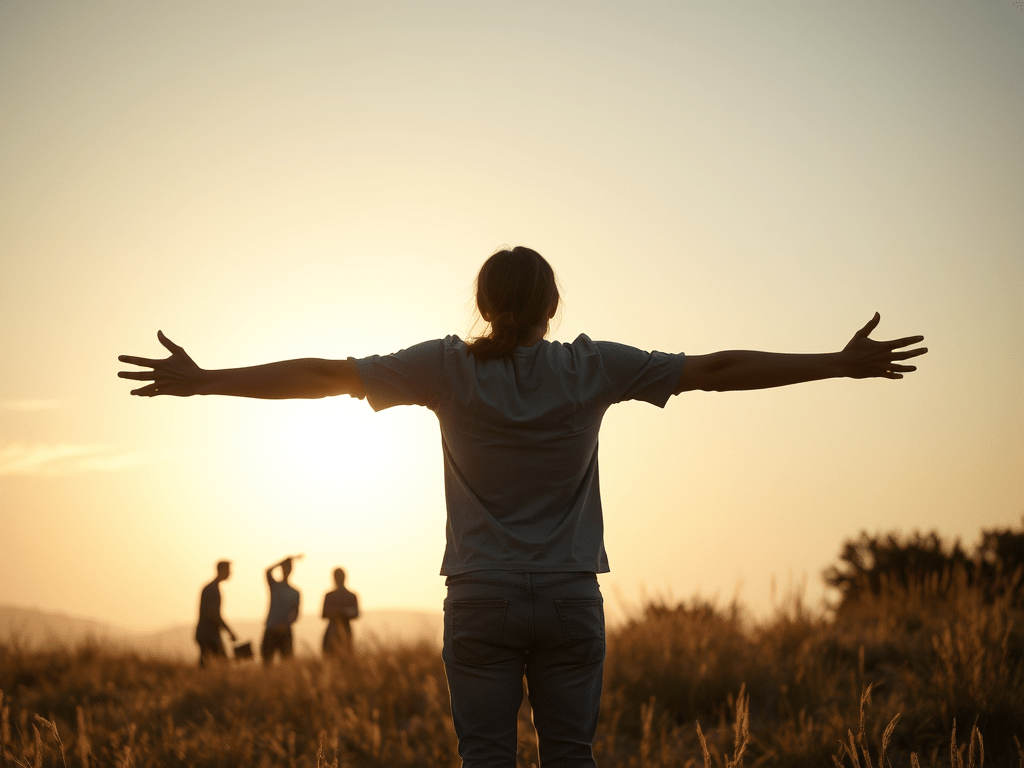
    The most important thing to carry is your openness.

    The willingness to be seen. To feel. To fumble.
    To love without a script.
    To laugh even when it’s awkward.
    To stay open to connection—even when your instincts tell you to shut down.

    It’s easy to protect yourself from love.
    It’s harder—and far more beautiful—to let it in anyway.

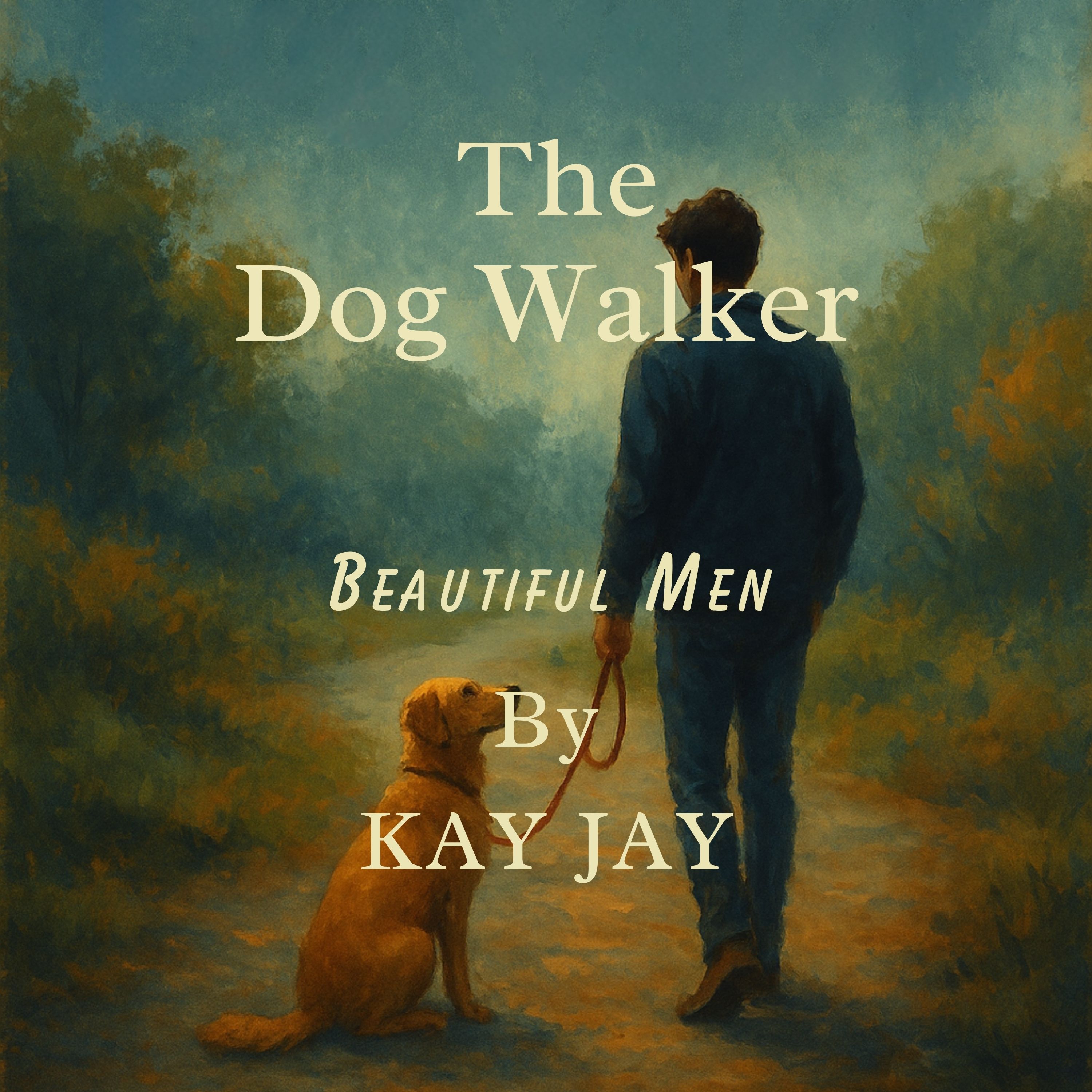
    That’s what inspired me to write Beautiful Men.
    Not a fantasy of perfect romance, but the quiet courage it takes to try again.
    To walk your dog, mind your business… and still risk falling for the one person who catches you off guard.

    Because love rarely arrives when we expect it.
    And if we’re not open, we just might miss it.

    So carry your openness.
    Even if it scares you.
    Especially then.

  • 🐾 When the Most Boring News Becomes a Personal Revelation (Thanks, Sauli)

    🐾 When the Most Boring News Becomes a Personal Revelation (Thanks, Sauli)

    I read the most gloriously dull headline today:

    “Canadian book-buying habits haven’t changed much in the last year.”
    Riveting stuff, right?

    But instead of tossing it into the digital void, I stared at it and laughed. Because if that isn’t the energy of “nothing dramatic happened but somehow everything did”, then I don’t know what is.


    🐶 The Quiet Chaos of Ordinary Things

    This headline was supposed to be dry. Beige. The oatmeal of news.
    But it made me think of Sauli.

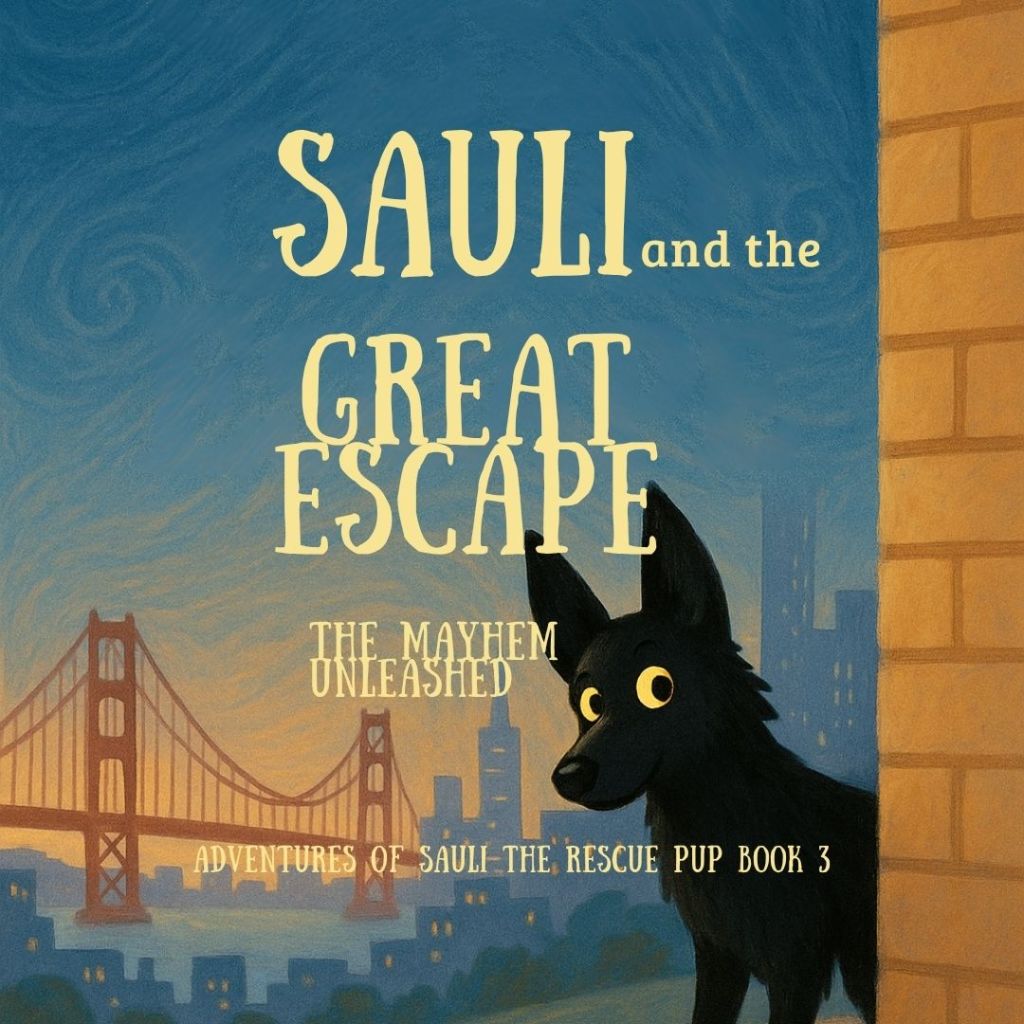
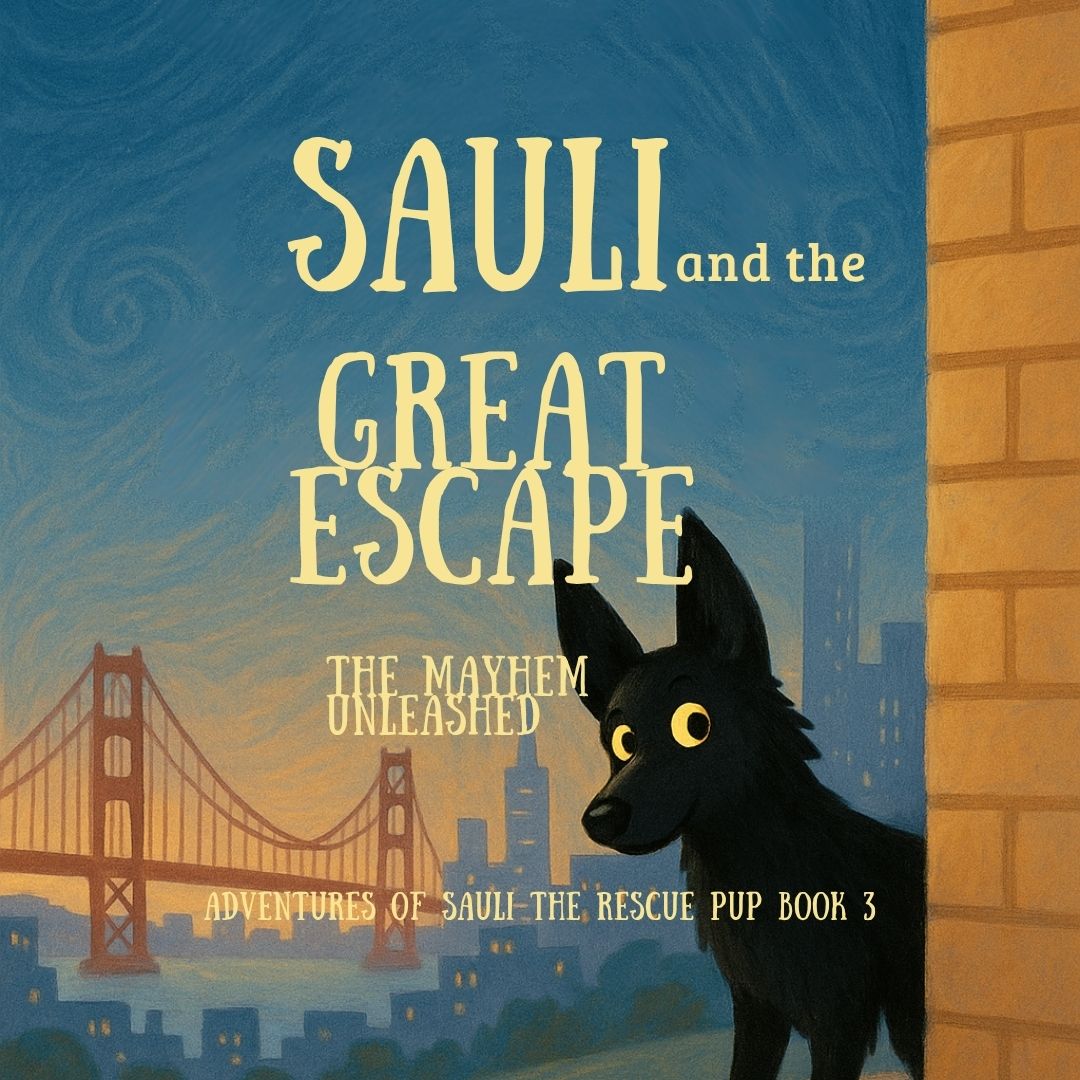
    Because Sauli and the Great Escape—our latest adventure—started the same way: a regular bath day, a casual check-in at daycare, a simple backyard visit. Until it wasn’t.

    I mean…
    Who expects a bathhouse rebellion?
    Who predicts a Thanksgiving jump-over-the-wall escape?
    Who plans for a wolfdog friendship at a playdate gone rogue?

    No one. But Sauli did.


    ✨ And That’s the Thing About Stories

    A boring news day still holds potential.
    A quiet headline hides the pulse of something waiting to break loose.

    Just like Sauli.

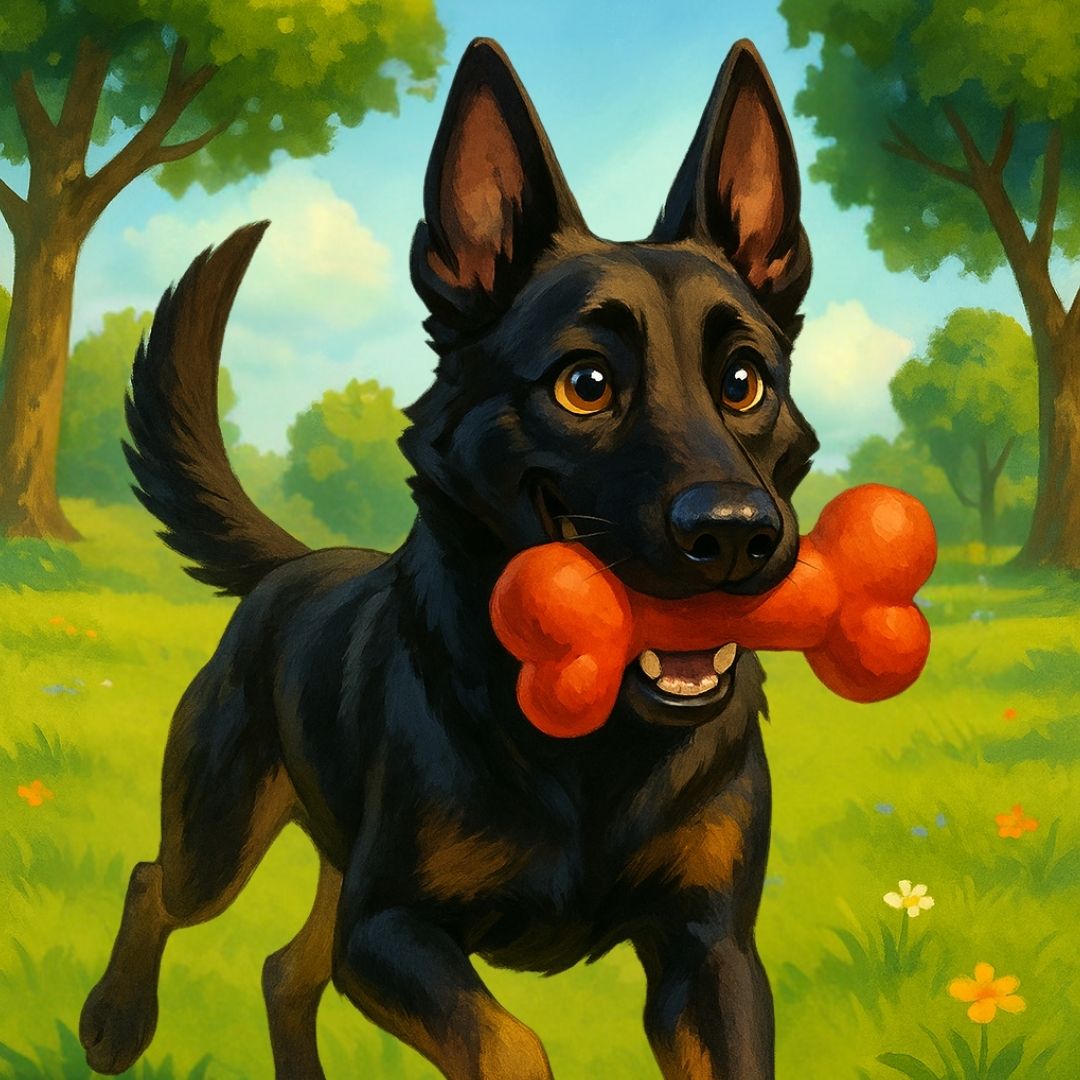
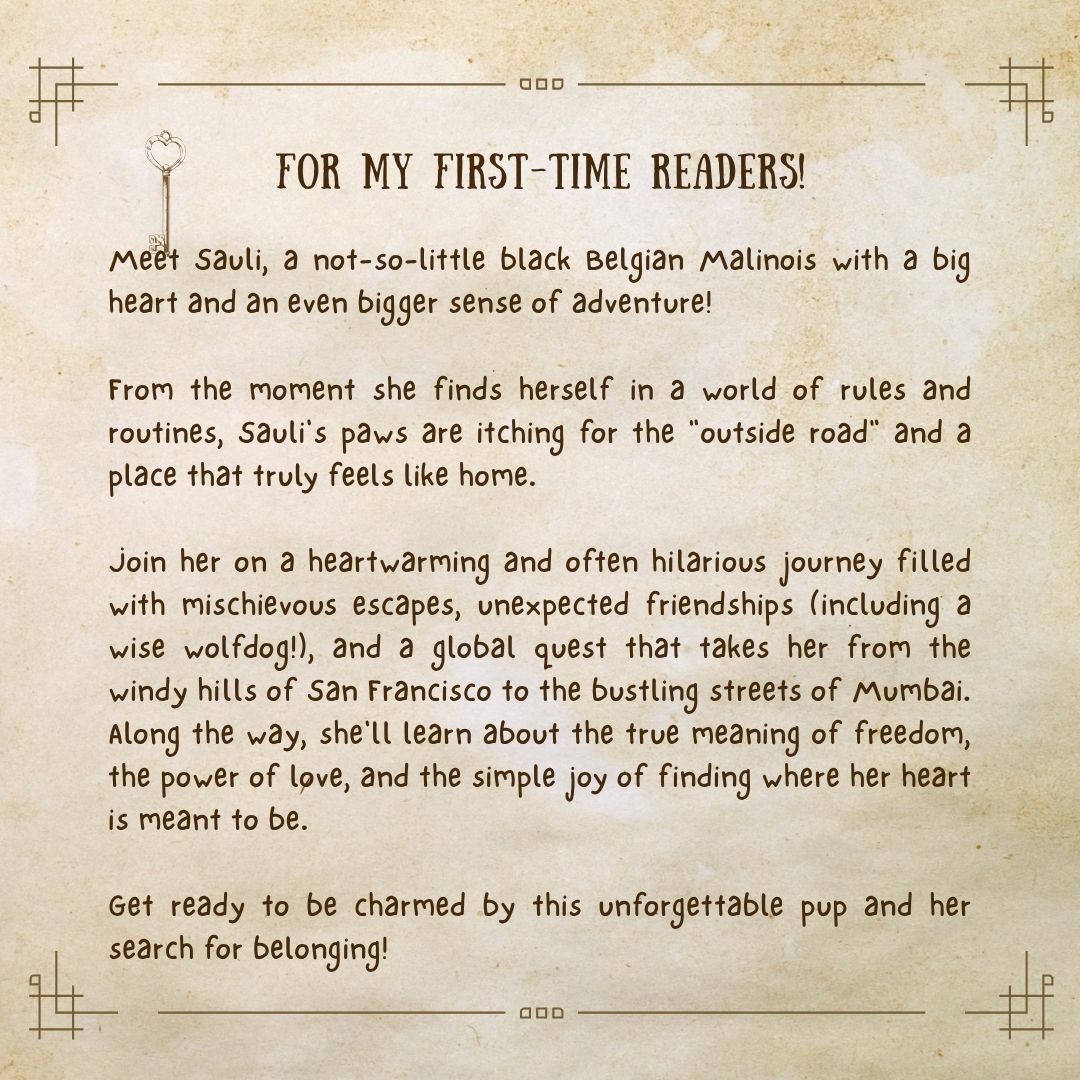
    Her story wasn’t meant to be epic. She was just a black Malinois in a new city, figuring things out. But the chaos, the cuddles, the sheer unpredictability of her being turned it into something much more.


    📚 So If You’re Tired of Boring Headlines…

    If you’re scrolling past another “nothing changed” update…
    Or feeling like your own life is more “mildly beige” than “runaway wolfdog circus”…

    Then maybe Sauli and the Great Escape is the little spark you need.

    It’s got:

    • Tantrums in bathhouses
    • Houdini-level crate escapes
    • A side of Mumbai mayhem
    • And all the messy, heartfelt moments of loving someone who doesn’t fit in any box (unless it’s one she chews through)

    ❤️ TL;DR?

    Canadian book-buying habits may not have changed.
    But this little rescue pup?
    She changed everything.

    Go read her story. Laugh. Cry. Tell your own escape tale.

    She’ll be waiting—tail wagging, ready to run again.

    – Kay (currently hiding Sauli’s leash just in case)

  • What Would I Change About the Current Society?

    If I could change just one thing about the way we live today, I would soften us.

    I would slow down the rush. I would quiet the noise. I would ask us to listen more—to each other, to the wind, to the animals who no longer come out to play because the world has grown too loud for their gentle hearts.

    I would bring back the reverence we once held for the Earth—not as a resource to extract, but as a living, breathing home that gives us everything. I would teach our children that a tree is not just a tree, but a storyteller. That water remembers. That fire has feelings. And that the soil beneath our feet once held the footprints of ancestors who walked with care.

    We’ve forgotten how to dance with the world.

    And so, in the smallest way I know how, I’ve tried to do something about it.

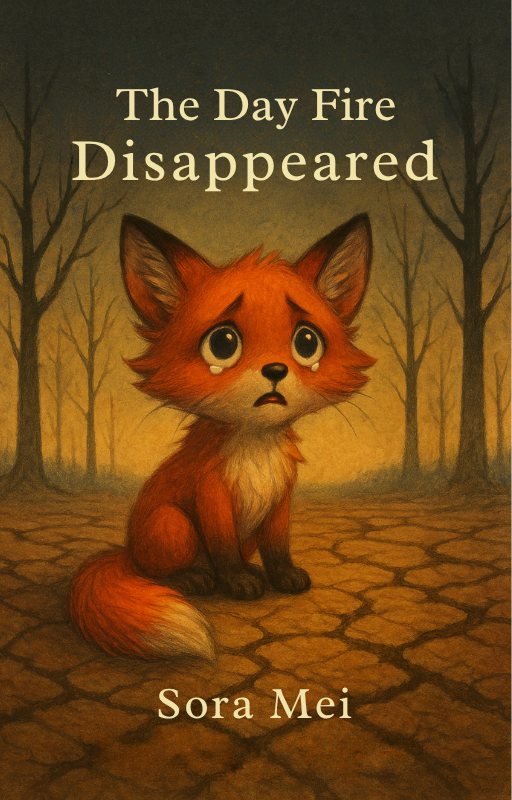
    Together with a kindred creative spirit named Sora Mei, I’ve been working on a book series called A Song and Dance For Mother Earth. It’s not a lecture. It’s not a manual. It’s simply a story told in the old way—softly, with truth nestled in wonder. The first book, The Day Fire Disappeared, asks a simple question: What if Fire left us because it was tired of how we treated it?

    The series isn’t just for children. It’s for the part of us grown-ups that still believes we can be better. That it’s not too late.

    So if I could change society, I wouldn’t do it with shouting.
    I’d do it with stories.
    Stories that remind us how to be kind again.
    Stories that help us remember how to listen.
    Stories that teach us to dance with the Earth—not on it.

  • The Only Certainties I’ve Found in a Life Full of Maybes

    The Only Certainties I’ve Found in a Life Full of Maybes

    10 Things I Know For Sure (Even If Everything Else Is Uncertain)
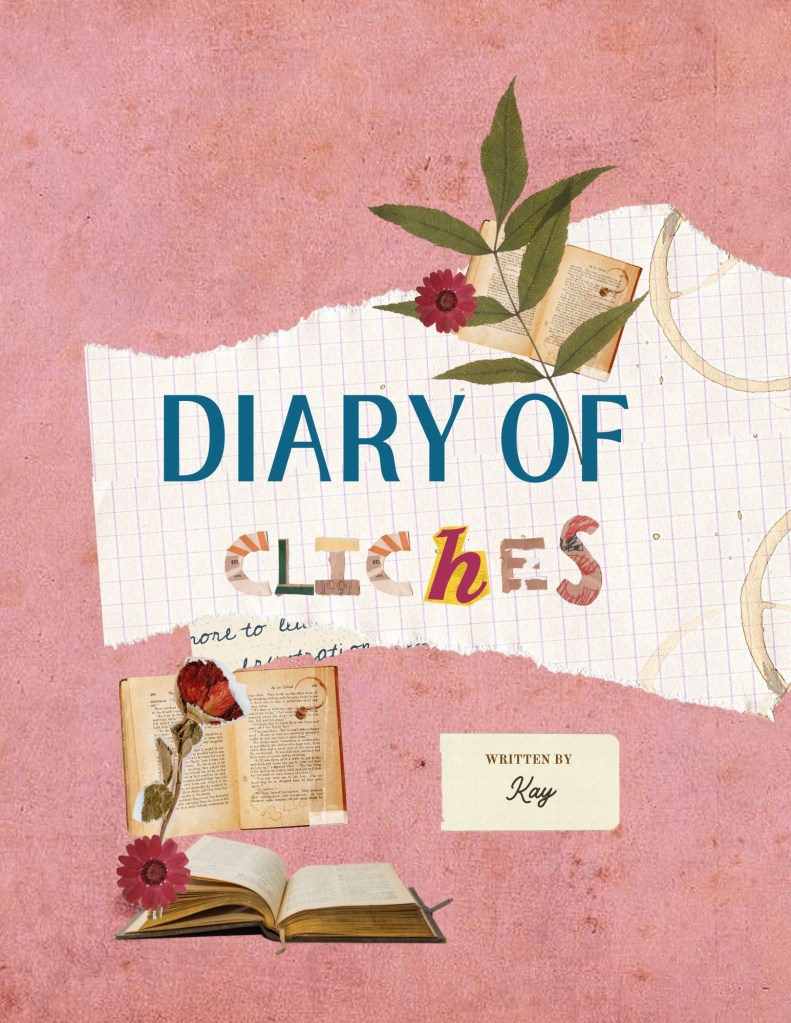
    By the Author of Diary of Clichés

    I used to think certainty came from success — from ticking boxes, hitting milestones, collecting approvals like merit badges. But the older I get, the more I realize that certainty doesn’t come from the outside. It’s grown, slowly, awkwardly, from the cracks life carves into us.

    Here are 10 things I now know — for sure:

    1. You can survive things you once thought would destroy you.
      Heartbreak. Failure. Loss. Even the day you couldn’t get out of bed. You’re still here — maybe bruised, but wiser.
    2. People reveal themselves through their silences as much as their words.
      I’ve learned to listen to what’s not said — the delayed replies, the evasive glances, the carefully curated truths.
    3. Your gut knows before your brain can explain it.
      I’ve talked myself out of so many instincts. Now, I listen. I trust the flutter, the tightness, the sigh.
    4. Growth is not linear — and healing is messy.
      There’s no neat chapter where everything is fixed. Life isn’t a spreadsheet. It’s a scribbled-up diary — and sometimes that’s the beauty of it.
    5. The “clichés” are often where the truth lives.
      I used to roll my eyes at “let it go” and “this too shall pass.” But when I finally let them land? They cracked something open. That’s how Diary of Clichés was born — from the things I thought were cheesy but turned out to be life-saving.
    6. Saying ‘no’ is a complete sentence.
      You don’t owe explanations when protecting your peace.
    7. Love — the real kind — is quiet, consistent, and freeing.
      Not performative. Not confusing. And definitely not something that makes you question your worth.
    8. You are allowed to outgrow people, places, and versions of yourself.
      Evolution is not betrayal. It’s biology. It’s soul preservation.
    9. You don’t have to turn every experience into a lesson.
      Some things just hurt. Some things just happen. Not everything is content.
    10. You are enough — especially when you stop trying to be.
      The most profound certainty I carry is this: when I stopped performing perfection, I found my voice. And when I started writing Diary of Clichés, I realized I wasn’t alone.

    I don’t have all the answers. But I do have these truths, carved out from detours and detachment, healing and humor. And maybe, if you sit with your own contradictions long enough, you’ll find your 10 too.

    You don’t need a perfect life to feel certain.
    You just need your story — in your words.
    And a willingness to begin.

    Diary of Clichés is where I began. Maybe it’s where you’ll begin too.

  • The Third Choice: Where Security Meets Adventure

    The Third Choice: Where Security Meets Adventure

    Security or Adventure? Why I Stopped Choosing

    I used to think life gave you a menu. Two bold choices, printed at the top:
    Security or Adventure.
    Pick one.

    Security came with a corner office, predictable hours, health insurance, and a routine that never asked too much of you. Adventure came with no map, just wind in your hair, a passport full of stamps, broken rules, and even more broken hearts.

    For the longest time, I chose security. Or maybe it chose me. It’s what you do when you’ve been raised on a diet of “play it safe” and “don’t waste that degree.” I followed the blueprint—stable job, solid resume, relationships that looked good on paper but felt empty in the gut. I collected milestones like frequent flyer miles, never stopping long enough to ask: Is this even my destination?

    But something shifted. Or maybe I did.

    I hit a point in life where all the things that were supposed to feel safe started to feel like shackles. The 9-to-5 felt more like 9-to-die-a-little-inside. The mortgage, the meetings, the muted joy—I was secure, yes. But I was also stuck. And a stuck soul is a loud one.

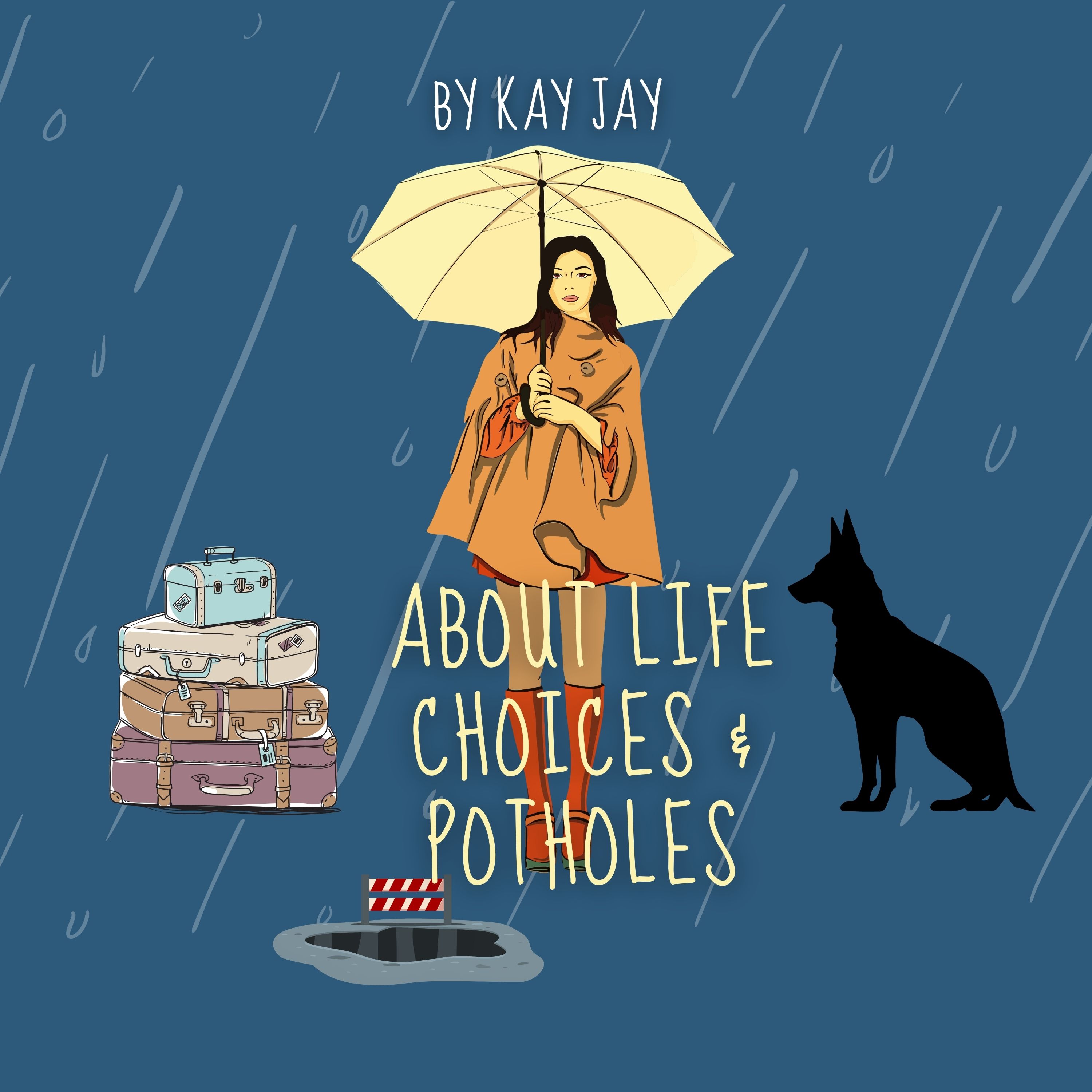
    So I listened. I quit the job. I let go of the people who didn’t get the new version of me. I moved cities. I broke my own rules. I started writing again. Really writing. Not just in journals but on pages that turned into books—books like Diary of Clichés, Adventures Of Sauli The Rescue Pup, and my newest memoir About Life Choices and Potholes. Each book was a breadcrumb, leading me deeper into the adventure I had once feared.

    And here’s what I learned:
    It’s not either/or.
    It never was.

    Adventure isn’t the absence of security. And security isn’t the absence of risk. The real thrill is in building a life that feels like you. One that steadies you and sets you free. A life where your calendar has space for silence, spontaneity, and soul.

    So now, when someone asks me what I’m seeking—I say:
    Depth. Wholeness. Alignment.
    Because that’s where security meets adventure.

    And in my case, it made a damn good story.

  • My Most Memorable Vacation…

    My Most Memorable Vacation…

    By someone who packed more than a suitcase—she carried questions, stories, and the soft ache of becoming.


    When you travel as much as I have—across time zones and timelines—it becomes hard to define a “vacation.” Was it the trip to Copenhagen that turned into a second home, or Istanbul, where I lost myself in the swirl of history and honey-sweet baklava? Was it a train ride through Sweden where silence spoke volumes? Or was it simply a weekend in a foggy corner of San Francisco, rediscovering a part of me I thought I’d left behind?

    But if I had to choose—if I had to circle one memory on a map of a life stitched together with flight confirmations and emotional turbulence—it would be the summer I wandered through Northern Europe, not as a tourist, but as a woman learning how to just be.

    It began in Copenhagen. A city that didn’t scream for attention—it whispered. I was there for work initially, a few weeks stretched out in hotel rooms that smelled like cedar and quiet. But something about the place slowed my breath. The bikes, the bakery windows, the way strangers respected space and yet smiled with their eyes.
    My days were routine but somehow still magical. After work, I’d stop at the Indian joint on the corner, pack my favorite rajma-chawal, and bring it home. I’d eat it on the couch while watching Friends, laughing at lines I’d heard a hundred times. Then, I’d head out again—rolling a quiet joint and sitting on the street bench facing the party alley, just across from the bars. From there, I’d watch Copenhagen’s own real-life version of Friends unfold: people hugging, dancing, shouting last orders, smoking in groups, falling in and out of love right in front of me. I didn’t need to be in the scene to feel part of it. Some nights are best lived as a spectator. And those were my favorite kinds—ritualistic, peaceful, a little high, and incredibly human.

    From there, I hopped on trains, each journey less about distance and more about pace. I arrived in Oslo, where the air was so clean it almost felt rude to exhale. Then to Bergen, where the rain didn’t dampen—it cleansed. Norway taught me the beauty of solitude. I was alone, but not lonely. I journaled for hours, watching clouds shift over the fjords like emotional weather. No Instagram. No itinerary. Just presence.

    I fell for Sweden’s restraint, too. Its soft minimalism mirrored the emotional decluttering I was going through.

    And then came Germany, where two cities gifted me two vastly different but equally unforgettable nights.

    In Berlin, one afternoon I set out with no destination and found myself accidentally stumbling into a Goth concert. The music pulsed through the cobbled streets, the people draped in black velvet and moonlight. I stood there, caught in the thick of it, completely absorbed. Later, I wandered off and found a cozy little Indian restaurant tucked near the train station. The spices warmed me, the quiet steadied me. I got back to my Airbnb at a decent hour, full—not just with food, but with something else. Freedom, maybe.

    And in Hamburg, I bunked at a youth hostel for a night that turned into a blur of laughter and long conversations. We were a motley crew—backpackers, interns, lost souls, and hopeful romantics. We shared cheap beer and expensive dreams. That night, we drank until the sky began to lighten, swapping stories and playlists, and pretending that morning would never come. There was no pretense, no filters, just that rare, fleeting intimacy you only find when no one is trying to impress anyone. I don’t even remember everyone’s names, but I remember how I felt—open, electric, infinite.

    Brussels was a surprise too. I expected politics and precision; I found pralines and poetry. A local bookstore owner gave me directions that led me nowhere, and somehow, that detour ended up becoming the highlight of my day.

    And then there was London—gritty, grand, and unforgettable in its own dark, glittering way.
    One afternoon, I lost my way and took the wrong bridge. It got dark early—the kind of thick winter dark that wraps around your ankles. Church bells began to ring in the distance, announcing Christmas Eve. Families were hurrying home, coats pulled tight, their arms filled with parcels and cheer. I had no GPS, just a soaked coat, aching feet, and the stubbornness to keep wandering through rain-slicked alleyways. But that’s the thing about London—you don’t panic. You find a café tucked behind some bookstore or beside an old church, and you get a cup of hot coffee, and everything changes. The world tilts back into place. Of course, I got home safe. And that night, with wet socks and a warm heart, I had an evening to remember.

    And then came Istanbul—the city that cracked me open. The call to prayer echoing at dawn felt like someone ringing a bell inside my chest. I lit a candle in a church one morning and danced with strangers at a rooftop bar that night. I remember sitting by the Bosphorus, sipping strong tea and realizing: this… this is the in-between space where I feel most alive. Where continents kiss, where logic and mysticism coexist.

    That trip didn’t offer luxury in the traditional sense. No five-star spas, no grand shopping hauls. But it gave me something rarer—a pause. A chance to meet myself again, outside of my roles, resumes, and routines. It was a conversation with the parts of me that don’t show up on Zoom calls or dating profiles. The girl who once stood overwhelmed in the aisles of a Chicago Trader Joe’s. The woman who rebuilt her life after San Francisco gave her both everything and nothing. The version of me who said yes to a flaky croissant in Copenhagen and no to a man who couldn’t hold her depth.

    It was never just a vacation. It was a homecoming.

    And I’ve been carrying pieces of that journey with me ever since—in the way I light incense, in the way I choose stillness over hustle, and in the way I write my stories now: not to impress, but to express.
  • If I Could Host a Dinner and Anyone I Invite Was Sure to Come

    If I Could Host a Dinner and Anyone I Invite Was Sure to Come

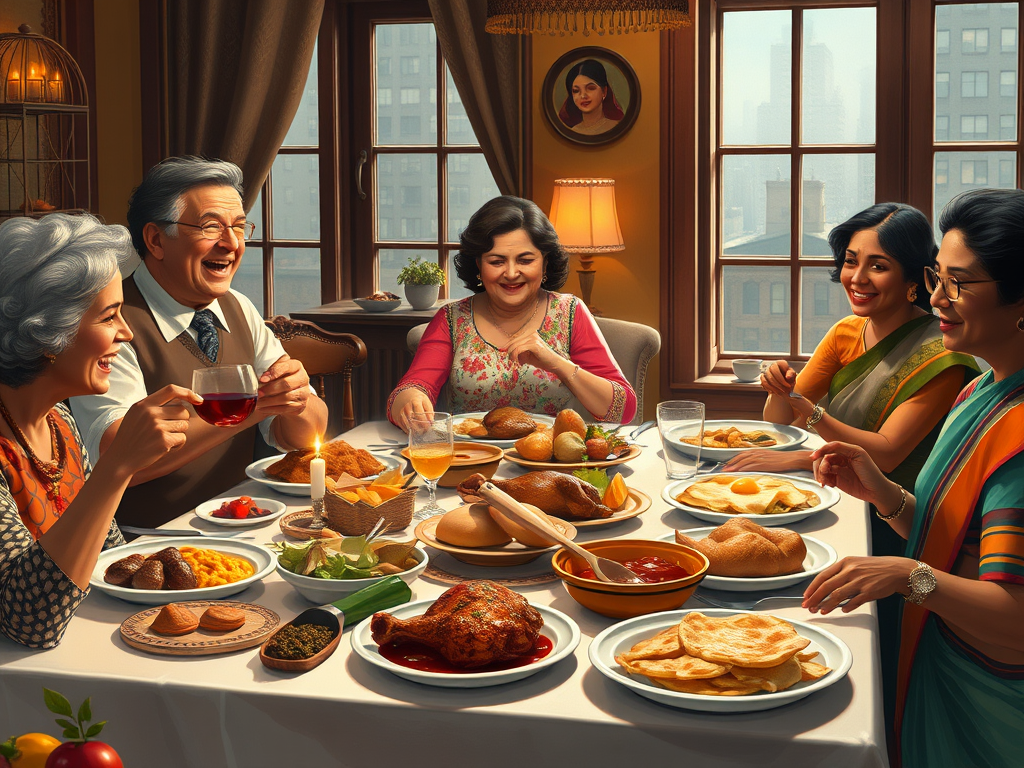
    If I could host a dinner where anyone I invited was guaranteed to show up, I wouldn’t waste a second on red carpets or royalty. I wouldn’t stress over table settings or chase down Michelin stars. I’d simply clear the dining table (currently piled with books, crystals, and an empty chai cup), light some candles, open the windows just enough to let the city hum through, and wait. Because what I’d be curating that evening wouldn’t just be a meal—it would be magic.

    At the head of the table, I’d seat Julia Child, all 6-foot-2 of her, with that hearty laugh that fills rooms and hearts. I’d want to hear her say “Bon appétit!” in person and watch her tear into roast chicken with childlike glee. She’d bring butter, of course—pounds of it—and I’d let her take over the kitchen if she wanted to. She’s earned it. I imagine her delighting in my South Indian mango pickle or maybe stuffing one into a croissant just to see what happens. A risk-taker like me.

    Next to her, I’d place Midge Maisel, still in full makeup and heels, recounting tales from her stand-up tour. We’d have brisket and latkes on the table for her, and maybe French puffs too, because a girl’s got to indulge while she’s slaying the patriarchy with punchlines. Midge would gossip, I’d laugh, and we’d all pretend we weren’t crying when she talked about leaving her kids to chase a dream.

    On the other side, I’d save a seat for James Beard, the godfather of American food, who’d walk in with a basket of the best fried chicken this side of heaven. He’d tell stories about his time in San Francisco, and I’d chime in with my own from those foggy Mission mornings and late nights in North Beach—where I’ve devoured Italian lasagna so soulful it practically kissed me on the lips, and licked mustard off my fingers at a tiny hot dog stand hidden between a record store and a dive bar. He’d understand.

    Across from him would sit my mother, in a sari that still smells faintly of sandalwood and turmeric. She’d laugh at the fancy French names, then show Julia how to flip a perfect dosa on cast iron. They’d get along famously, united by their love of butter and discipline. The lamb curry she makes would sit proudly beside the coq au vin—two worlds colliding, in the best way possible.

    And then I’d invite me—not the hostess, but the real me. The me who often hides in the kitchen, fussing over burnt toast and people-pleasing. But tonight, I’d take my seat, I’d laugh freely, I’d lick my fingers, and I’d talk as much as I listened. I’d look around the table—at this wild, strange, glorious mix of women and men who’ve shaped how I think, eat, love, and create—and I’d think: This is it. This is life, served hot, unapologetic, and without reservation.

    There’d be coq au vin and bagels, bavarian cream pie and ghee-laced parathas, fish in lemon butter next to coconut chutney, and somehow, it would all make sense. Because food has always had a way of doing that—of making space for contrast, of softening sharp edges, of turning strangers into kin.

    So if I could host a dinner and anyone I invite was sure to come, I’d serve stories alongside seconds, I’d season everything with laughter, and I’d remind every single guest at the table—including myself—that the best meals aren’t just cooked—they’re felt.

    And after everyone left, I’d sit quietly at the messy, sauce-splattered table, sipping leftover chai and smiling into the night, full in all the right ways.

  • What Could You Let Go Of, for the Sake of Harmony?

    What Could You Let Go Of, for the Sake of Harmony?

    (An Essay based on my upcoming memoir “About Life Choices and Potholes”)


    If you had asked me five years ago what I couldn’t live without, I would’ve given you a confident (if slightly defensive) list: my meticulously color-coded planner, my rituals, my Sunday evenings alone, my expectations of how people should behave, and—my personal favorite—my need to be understood.

    But life, as it often does, handed me a pothole or ten.

    And somewhere between losing what I thought was a dream job, navigating heartbreaks I didn’t even see coming, and being served humble pie by the universe on a silver platter of silence, I realized that holding on wasn’t helping. Harmony—whether in relationships, work, or my own inner world—wasn’t showing up until I started letting go.

    Letting go wasn’t poetic at first. It was clumsy. Sometimes loud. Often tear-streaked. I let go of being right in arguments that didn’t need a winner. I let go of trying to edit other people’s lives like a control freak with a red pen. I let go of the timeline I had tattooed on my soul—when I should’ve been successful, married, healed, perfect.

    And you know what slipped in, in place of all that clenched energy?

    Grace.
    Ease.
    Moments of laughter during chaos.
    The ability to hear someone without the itch to interrupt.
    A softness I didn’t know I had room for.

    Harmony doesn’t arrive with a ribbon. It comes in small decisions: Do I send that biting text or let it go? Do I hold that grudge or open my heart just a little bit wider? Do I keep that version of myself I outgrew because it feels safe, or do I step into the unknown?

    In writing my memoir About Life Choices and Potholes, I came face-to-face with the many versions of me who were trying so hard to keep it all together. And yet, the real magic came in the chapters where I finally gave myself permission to unravel.

    I didn’t just want to write a book. I wanted to hold a mirror. To say to anyone reading: maybe harmony doesn’t come from hustling harder or trying to win every battle. Maybe it comes from releasing your grip—on people, on plans, on pain.

    So what could you let go of?

    Your turn.