A year ago, I had just moved back to my hometown, Mumbai, and was living with my parents after spending two decades in the United States, mostly in San Francisco.
It was a tough time. Many factors influenced my decision to move back in with my parents. They had just left our family home of 40 years for redevelopment purposes and had taken refuge in a rental, assuming that our new house would be ready in a couple of years.
Unfortunately, the developer responsible for redeveloping our apartment community backed out. To make matters worse, the landlord of the rental asked my parents to vacate the house prematurely.
Around this time, I lost my job in the United States. Given my job loss and the need to support my parents, moving in with them made sense.
During this period, my father began experiencing health issues due to the stress of moving and the loss of security at his age.
I had to expedite my relocation due to my job loss and limited resources to assist my parents. I also had to leave my beloved dog in the U.S. while I figured out my living situation; the rental we were living in was temporary, and relocating my big dog wasn’t feasible at that time.
By November 2023, I had moved back in with my parents. We were living in a rental, and the landlord was constantly calling us to vacate the house, while my father struggled with stress-related health problems. As a family, we had no sense of security other than being there for one another and taking each day as it came.
With the arrival of 2024 came new hope.
My father underwent surgery and began his recovery process. I found a way to transport my bundle of joy, my dog Sauli, from San Francisco to Mumbai.
While we still faced uncertainty regarding our living situation, things began to fall into place.
One day, my parents discovered their dream house while searching for a new place to live. However, it was beyond our purchasing capacity.
We came together to figure out how to make it work. My father had some assets, and I had some savings and other resources we could use.
It took time to liquidate assets, find the right buyers, and generate the funds needed for our dream house.
But we made it work.
As I write this, I’m sitting in our new house with my parents asleep in the next room. I pray they are sleeping peacefully after the stress of the past couple of years.
My beloved dog is curled up and sleeping soundly at my feet.
It is December 2024.
Did I picture this a year ago?
Not really. But I did pray for it, and my prayers were answered.
One thing I hope people say about me is that I made them feel seen, heard, and understood—not just in a surface-level way, but truly, deeply, in a way that helped them connect with the core of who they are. I hope my words, whether written or spoken, reminded them that their story—no matter how messy, complicated, or unconventional—is valid, beautiful, and worthy of being told.
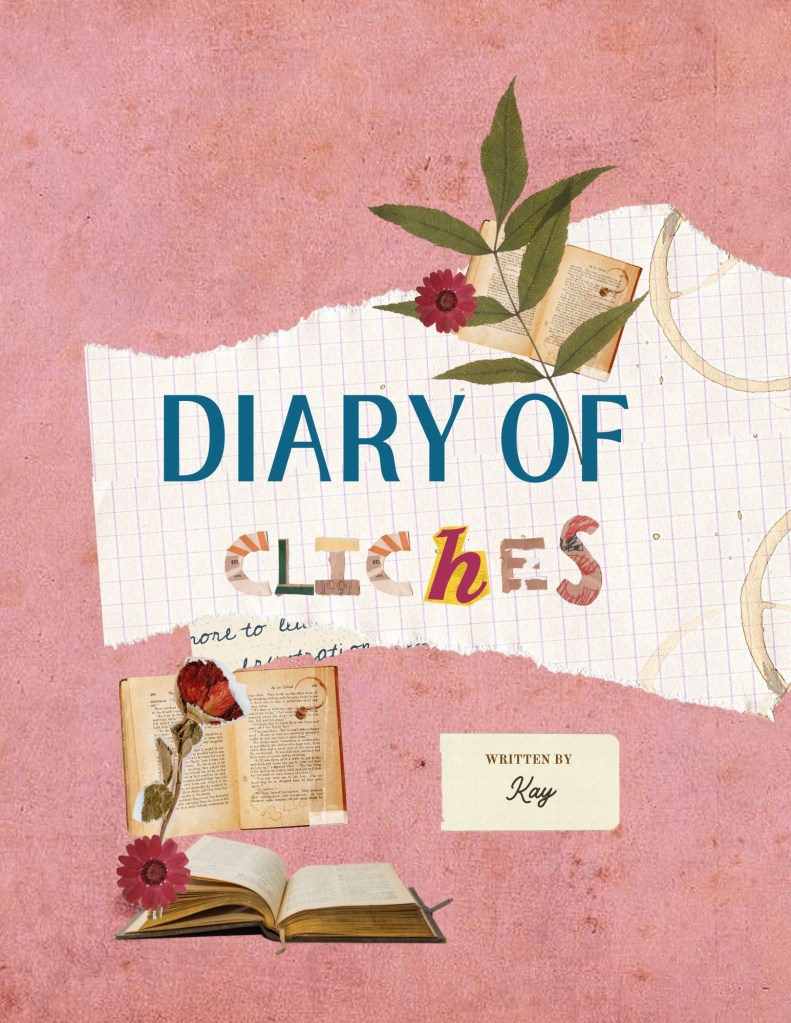
That’s the heart of Diary of Clichés. When I sat down to write it, I wasn’t just creating a collection of stories. I was opening a window into the raw, unpolished moments of my life, hoping that somewhere, someone would read it and feel less alone. Whether it’s navigating heartbreak, finding humor in the chaos, or learning to see clichés as universal truths that connect us, my goal has always been to inspire others to embrace their own narrative.
So, if someone can look back and say, “She inspired me to live authentically and to love my story, flaws and all,” that would mean the world to me. Because at the end of the day, Diary of Clichés is more than just a book—it’s an invitation to rediscover yourself through the shared experiences that make us human.
I’ve always believed that stories have an incredible power to connect us, even when we’re miles apart in experience or circumstance. They act as bridges, spanning the gap between “me” and “you,” reminding us that beneath the surface, our fears, joys, and dreams are often strikingly similar. If there’s one thing I hope people say about me, it’s that I built those bridges—that my words made them feel less alone, less invisible, and a little more hopeful.
When I began writing Diary of Clichés, I didn’t set out to craft a perfect narrative or even a particularly polished one. Instead, I wanted to hold up a mirror to the kind of life we all live but don’t always talk about. The life filled with contradictions, failed plans, and moments of sheer absurdity that somehow manage to teach us the most profound lessons. I wanted to write something that didn’t just sit prettily on a shelf but leaped into people’s lives, offering them solace, a laugh, or even just a quiet moment of reflection.
Writing has always been my therapy. There’s something about putting pen to paper—or fingers to keyboard—that allows me to process emotions in ways I can’t otherwise. It’s as if the act of writing gives me permission to admit the things I’m afraid to say out loud. For years, my journal was the one place I felt free to be completely honest. There, I could lay bare my insecurities, wrestle with heartbreak, and even laugh at my own expense without judgment.
But as I poured my thoughts onto those pages, something surprising happened: I began to notice patterns. Stories I’d thought were unique to me turned out to be universal. Phrases I’d dismissed as tired clichés—like “what doesn’t kill you makes you stronger” or “love is blind”—started to resonate in unexpected ways. These clichés weren’t just filler; they were shorthand for the messy, complicated truths of life. And that realization became the foundation for Diary of Clichés.
The book isn’t just a collection of stories; it’s a journey through the clichés we live by, often unknowingly. It’s an exploration of how these overused phrases, when viewed through a personal lens, can hold surprising depth and meaning. It’s about taking the tired and making it transformative. And through that process, I hope readers feel a little braver about embracing their own lives—the glorious highs, the crushing lows, and all the awkward in-betweens.
If there’s one thing I’ve learned, it’s that writing can heal in ways we don’t fully understand. It helps us untangle the mess in our minds, putting structure to chaos. And when we share those writings with others, we invite them into a space where they can find their own meaning, their own healing. With Diary of Clichés, I wanted to create that space. A space where readers can laugh, cry, and maybe even roll their eyes, but ultimately walk away feeling seen.
So if someone, somewhere, reads this book and says, “She made me feel like my story mattered,” then I’ll know I’ve done my job. Because at the end of the day, that’s what I hope people remember about me: that I encouraged them to own their stories, to find beauty in the imperfections, and to know that they’re never alone in the chaos.
Life isn’t about having it all figured out—it’s about embracing the journey, clichés and all. And maybe, just maybe, Diary of Clichés will inspire others to do the same.
How Toastmasters, Improv, and Journaling Transformed My Storytelling Journey
Have you ever performed on stage or given a speech?
Oh, absolutely. I’ve performed on stage a few times, and honestly, each one felt like a mini adventure. It all started with my stint at Toastmasters. Joining that group was equal parts terrifying and exhilarating. I remember my very first speech—it was an “icebreaker,” which is a fancy way of saying, Get up there and talk about yourself without freezing.
I walked up, my palms sweating like I’d just run a marathon, and somehow managed to share a little story about my love-hate relationship with clichés (of course). I stumbled over words, laughed nervously, and probably overshared, but when I saw the audience nodding and smiling, I knew I had survived. More than that, I realized I loved it. Toastmasters became this safe space where I could refine my voice, learn the art of storytelling, and let go of the fear of public speaking—well, most of it.
Then came improv, which was a completely different beast. I signed up for classes post-COVID, feeling cooped up and needing to shake things up. Improv is wild because there’s no script, no plan—just you, your imagination, and your ability to make people laugh (or cringe). I remember one exercise where we had to create a scene from a single word. My word was “pickle.” Somehow, it turned into a dramatic monologue about losing my jar of pickles in the apocalypse. The group was in stitches, and I realized, hey, maybe I’m funnier than I give myself credit for.
Both experiences taught me so much about presence, vulnerability, and, honestly, just rolling with it. Whether it was delivering a heartfelt speech at Toastmasters or making up a ridiculous story on the spot in improv, I learned to embrace the moment, imperfections and all. And let’s be real—if you can talk about pickles in front of a crowd without dying of embarrassment, you can do anything.
The best part about both Toastmasters and improv was how they forced me to step out of my comfort zone and discover new sides of myself. I mean, who knew I could confidently tell a room full of strangers about my secret pickle apocalypse survival plan? It’s funny how these little moments of vulnerability have a way of building your confidence.
And here’s the thing: all of this—the nervous first speech, the improv chaos, even the awkward silences—helped me find my voice in a way I never thought possible. It’s that same voice you’ll hear in Diary of Clichés. Writing the book felt like a performance in its own right—each chapter a chance to connect, laugh, and maybe even cry a little with my readers.
If you’ve ever wanted to find your voice or tell your own story, I can’t recommend Toastmasters, improv, or even just journaling enough. And speaking of journaling, that’s where it all started for me. Putting pen to paper (or fingers to keyboard) was the first step to creating something bigger.
That’s why I’ve partnered with a brand that makes incredible journals. They’re thoughtfully designed and perfect for capturing your stories, dreams, or even random improv ideas about pickles. If you’re ready to start your own storytelling journey, check out the link in my bio. Because trust me, you’ve got a story worth telling too.
What is something others do that sparks your admiration?
What sparks admiration in others for me is their ability to embrace life’s messy, unpredictable nature and still find beauty in it. It’s not about perfection or having it all figured out—it’s about resilience, humor, and the willingness to stumble, fall, and laugh at yourself as you get back up.
I admire the friend who wears her heart on her sleeve, unafraid to share her vulnerabilities. I admire the coworker who turns challenges into stepping stones, reminding me that failure isn’t the end—it’s part of the journey. I admire the stranger who offers kindness, proving that even the smallest gestures can light up the darkest day.
It’s this raw, human spirit that inspired Diary of Clichés. Each chapter celebrates these universal truths, those little sparks of admiration we find in ourselves and others, illuminating the common threads that bind us as human beings. It’s about seeing clichés not as tired sayings, but as reflections of our shared struggles and triumphs, revealing the underlying emotions that resonate with our experiences. By revisiting these well-worn expressions, we uncover new meanings and insights, allowing us to embrace our vulnerabilities and connect more deeply with one another. Through these narratives, we can find solace and inspiration in the collective journey of life, reminding us that even the simplest phrases carry profound significance when woven into the fabric of our everyday interactions.
If you’re someone who admires resilience, humor, and finding meaning in the chaos, Diary of Clichés is your companion. Dive in, and let’s navigate this beautifully imperfect life together as we explore the ups and downs, discovering the silver linings that often elude us in our everyday hustle. With each turn of the page, you’ll encounter reflections and stories that resonate deeply, offering insights into overcoming obstacles while embracing the humor that life presents. Let’s embark on this journey of self-discovery and laughter, one cliché at a time, as we unravel the complexities of our experiences and celebrate the art of living authentically amidst the beautiful chaos.
“Sit on the FIRST BENCH. Good girls always sit on the first bench.”…. I remembered mamma’s words as I looked for “KG C” on the looooooong corridor of my school. It sure was scary ….to look out for my classroom all alone wondering….. why can’t mamma — pappa come to school with me . It was the first day of my school and parents were not allowed inside the gate. I had come to school in my school-bus and sure had a tough time waving back at mamma with tears rolling down my cheeks as the bus conductor carried me from the bus stop and put me in a huge looking bus with anxious faces of the ‘big’ girls (didis as I was supposed to call them) staring back at me. Mamma looked worried and felt as if she was craving to hold me tight and accompany me to school.
I finally found a classroom with ‘KG C’ written on the door. I entered the class ….uh oh… all first benches gone!! But mamma told me to sit on the first bench. I sternly ordered one of the girls sitting on the first bench. “Girly my mamma has told me to sit on the first bench. Get up.. I have to sit here”. I got nothing but a rude glance back at me. But how can I sit now?? There is no first bench!!! Totally disappointed I came out of the class and started searching for first bench in the neighboring classes. The search went on for a long time and I was almost in tears as teachers started going into their respective classes and finally the bell rang. I ran and entered some classroom which seemed to have place on the first bench..JUST FOR ME …. I thought and entered the class with a beaming smile.
My new teacher entered and suddenly everyone stood up with a loud “Gooooooooooooooooooooooooooood morniiiiiiiiiiiiiiiinnnnnnnnnnngggggggg teacher”.I was totally bewildered and a bit scared too. As everyone took their seats the teacher looked at me and said… “Hey …we have a new face with us today. Girly… what is your name?”…but it was first day of school..how come I was the only new face??? I gave a sheepish smile and merely looked down too shy to answer. “Ok girls…. It’s time for prayer service. Line up and start walking towards the auditorium. And please hold your partners’ hand tightly.”It all seemed like French and Latin but the others obediently followed the teacher’s orders. …….. How come they know all this???!!!.. I wondered as I was dragged out of the class by my ‘partner’. When I walked out..girls girls and girls was all I got to see around…. It seemed as if girls was the only specie that existed.. Was there no school for Pappa? Or was he a girl as a kid??!! Looks like everyone is a girl as a kid and then they grow up into a boy. But then… mamma??? Teacher??? How come they remained gals??? There was a big question mark on my face as we walked into a humongous hall with a stage and a Cross above it. “Where are we?” I asked my ‘class partner’ as I tightly held her hand when we came and lined up in a place that they called the auditorium. “Shhhhh…. We have come here to pray. Don’t talk. Else God will be angry” she answered and pointed out to Christ on the Cross that we were facing.
Meanwhile my mom was all the while worried wondering whether I reached school safely. She feared that the conductor would send me to the wrong school. So she ran to school and went to my class to make sure I was present. She entered the KG C classroom which was filled with tiny faces of gals who started looking at her curiously. The teacher called out my name.. but no one seemed to answer. Mom hurriedly went and checked the faces of each any every tiny tot present in the class. She was by now in tears as she checked in all the classes and I was nowhere to be found.
The news reached my principal who made an announcement in the entire school.. “Miss Kshitija, your mother is waiting for you. Please come to the ground floor corridor”.
Mom had already gone to the neighboring school to see if I was accidentally dropped there. Weird thoughts started haunting her with absolutely no trace of my whereabouts.
Amidst all the panic and nervousness I was praying away to glory blissfully ignorant of the chaos that I had created. Dear God. Please bring my mamma to school. I miss her a lot. Please bring her to my class and make her sit beside me. I’m scared of my teacher. The prayer service was over and it was time to go back to class.
Mom after having searched the neighborhood had returned back to my school. My principal though worried put up a strong exterior and assured her that they would find me. “God is there to protect our innocent kid Mrs. Gupte. Please don’t panic.” They had searched in all the classes but had forgotten to look into the one class (II C) at the end of the corridor that had gone for prayer service. With no sign of me anywhere around they were all set to call the police since all the school buses had left and were going to return only after the school was over, to drop the kids home.
On my way back to the class I was thinking about my prayer to God holding my partner’s hand. As I was about to enter my new class I looked at the big corridor ……Ohh….. GOD HAD ANSWERED MY PRAYER…. He sent Mamma to school….”MAMMA…”… I shouted when I saw my mom the only familiar face standing with my principal and other sisters clad in their white gowns at the other end ….. “Oh baby….!!!!” Mom exclaimed with tears rolling down her eyes .. “Where were you? Why are you not in your class?”….. mom asked as she lifted me and hugged me tightly. “But mamma… you told me to sit on the first bench. I had to go all the way to that class searching for it. And mamma…. You know what….. I missed you soooooooo much…..I had asked God to send you to school. See….He listened to me…coz ‘m a good gal “…. “Oh… dear God!!” was all she could say!
Exploring the Intersection of Money, NLP, and Healing
As a writer, pouring your heart and soul into a book only to face lackluster sales can be disheartening. The question looms large: Why is nobody buying my book? The answer might not lie solely in marketing strategies or pricing, but in deeper, more nuanced connections between the psychology of money, the principles of NLP (Neuro-Linguistic Programming), and the art of healing—both for the reader and the author.
Let us explore these intersections, offering insights into how aligning with your audience’s subconscious needs can transform your book from a product into a profound experience.
The Money Question: What Has Money Got to Do With It?
The Intricate Dance of Book Buying: A Deep Dive into the Psychology and Marketing of Books
Books have long been hailed as portals to knowledge, entertainment, and personal growth. However, the act of purchasing a book transcends the mere exchange of money for a physical object. It’s a complex emotional transaction where the perceived value of the book intertwines with the buyer’s individual needs and desires.
Unraveling the Buyer’s Psyche
The Value Proposition: At the heart of every book purchase lies a fundamental question: “Is this book worth my time and money?” In today’s fast-paced world, where attention is a precious commodity, readers seek books that promise a transformative experience, whether it’s through captivating storytelling, profound insights, or practical knowledge. If a book’s value proposition isn’t immediately clear or compelling, potential buyers are likely to hesitate.
The Battle for Attention: Books are no longer competing solely against other books. They’re vying for attention in a landscape saturated with streaming services, social media platforms, and a plethora of free online content. To entice readers away from these distractions, books must offer a unique and irresistible value proposition that transcends the allure of instant gratification.
The Price Tag Dilemma: The price of a book plays a significant role in the buyer’s decision-making process. Pricing a book too low can inadvertently signal a lack of confidence in its quality, while setting an exorbitant price without a clear justification can alienate potential readers. Striking the right balance is crucial. The book’s price should accurately reflect its unique value and resonate with the target audience’s expectations.
The Author’s Crucial Role
Pricing with Conviction: Authors must approach the pricing process with confidence and clarity. Thorough market research, understanding the target audience’s expectations, and a clear articulation of the book’s unique value proposition are essential for setting a price that instills confidence in both the author and the potential buyer.
The Emotional Connection: For many authors, the reception of their work is deeply intertwined with their sense of self-worth. However, this emotional attachment can create unnecessary pressure and hinder the marketing and sales process. By consciously cultivating a healthier relationship with their work, authors can view their book as a gift to the world rather than a validation of their identity. This shift in perspective can infuse the marketing and sales efforts with a sense of authenticity and generosity that resonates with readers.
Beyond the Transaction: Nurturing a Relationship
The journey doesn’t end with the purchase. Building a lasting relationship with readers is essential for long-term success. Authors can achieve this by:
Engaging with Readers: Actively participating in online communities, responding to reviews, and hosting Q&A sessions can foster a sense of connection and loyalty among readers.
Offering Additional Value: Providing bonus content, exclusive insights, or personalized recommendations can enhance the reader’s experience and deepen their engagement with the author’s work.
Building a Community: Creating a space where readers can connect with each other and share their thoughts and experiences can foster a sense of belonging and encourage repeat purchases.
The world of book buying is a complex and dynamic landscape where the emotional and psychological aspects of the transaction play a crucial role. By understanding the buyer’s psychology, pricing their books with confidence, and nurturing a genuine connection with their readers, authors can navigate this landscape successfully and build a thriving literary career.
NLP: Reprogramming Connections Between Words and Emotions
Neuro-Linguistic Programming (NLP) is the study of how language and behaviors influence our subconscious mind. For authors, it provides a toolkit to connect more deeply with readers by resonating with their inner worlds.
Applying NLP to Writing and Marketing
1. Crafting Emotional Hooks:
The opening lines of your book, blurb, or marketing copy are crucial for capturing the reader’s attention.
These initial words should evoke emotions, sparking curiosity, empathy, or a desire for transformation.
Instead of using generic phrases, employ language that resonates with the reader’s emotional state.
For example, instead of saying “Learn to manage stress,” consider a more evocative alternative like “Discover how to find calm in the chaos of life.” This phrasing creates a sense of possibility and speaks to the reader’s longing for peace.
2. Anchoring with Imagery:
Metaphors and sensory language are powerful tools for creating lasting impressions.
By using vivid imagery, you can transform your book from a mere collection of words into a memorable experience.
Consider the example, “The journey of healing is like learning to swim in stormy seas—you’ll struggle, but eventually, you’ll find your rhythm.” This metaphor not only paints a vivid picture but also conveys the challenges and ultimate triumph of the healing process.
3. Mirroring Reader’s Language:
To establish a connection with your target audience, it’s essential to understand their language.
Pay attention to the specific phrases and terms they use to describe their pain points, desires, and aspirations.
By incorporating this language into your book description and marketing materials, you demonstrate that you understand their needs and can offer solutions.
NLP in Author-Reader Relationships
Building trust with your readers is crucial for establishing a loyal following.
One effective way to foster trust is to align your language with the aspirations of your audience.
If your book is about healing, for instance, speak directly to their wounds, fears, and hopes in a way that feels personal and empathetic.
By acknowledging their struggles and offering guidance, you position yourself as a supportive guide on their journey.
Additional NLP Techniques for Writing and Marketing:
Utilizing Persuasive Language Patterns: Employing language patterns that resonate with the subconscious mind can enhance the persuasive power of your writing.
Incorporating Storytelling Elements: Stories are a powerful way to engage readers and convey messages. Use storytelling techniques to make your writing more compelling.
Establishing Rapport Through Language: Building rapport with your readers involves using language that creates a sense of connection and understanding.
Tailoring Your Message to Different Personality Types: Understanding the different personality types within your target audience can help you tailor your messaging for maximum impact.
By incorporating these NLP principles into your writing and marketing efforts, you can create a deeper connection with your readers and achieve greater success.
Remember, effective communication is about understanding your audience and using language that resonates with them on an emotional and psychological level.
Healing Through Storytelling: A Dual Journey
The Transformative Power of Books: A Dual Journey of Healing for Readers and Authors
Books have an extraordinary capacity to heal. They offer a refuge, a source of wisdom, and a mirror reflecting our own lives. This transformative power extends beyond the reader, reaching deep into the heart of the author. The process of writing itself can be a profound journey of self-discovery and healing.
The Reader’s Healing Journey
Connection with the Author: Readers yearn for authenticity. When authors share their struggles and triumphs, whether in fiction or non-fiction, they forge a connection with their audience. Readers see their own stories reflected in the author’s experiences, fostering a sense of belonging and understanding.
Actionable Insights: Books that offer guidance for self-improvement or personal growth can be particularly impactful. By incorporating actionable steps within compelling narratives, authors empower readers to make tangible changes in their lives. This sense of empowerment can lead to increased word-of-mouth recommendations and a wider audience for the book.
Emotional Catharsis: Stories have the power to evoke a wide range of emotions in readers. By experiencing these emotions within the safe confines of a book, readers can process their own feelings and experiences, leading to emotional release and healing.
Inspiration and Motivation: A well-written book can inspire readers to pursue their dreams, overcome challenges, and live more fulfilling lives. The stories of resilience and triumph found within the pages of a book can ignite a spark of motivation in readers, propelling them towards positive change.
The Author’s Healing Journey
Facing Vulnerabilities: Writing often requires authors to confront their deepest fears, insecurities, and vulnerabilities. This process of self-examination can be both challenging and therapeutic. By putting their thoughts and emotions into words, authors can gain a deeper understanding of themselves and their experiences.
Reframing Failure: The path to literary success is rarely smooth. Authors often face rejection, criticism, and slow sales. However, these setbacks can be reframed as opportunities for growth. Instead of dwelling on perceived failures, authors can ask themselves, “What lesson is this teaching me about connection, persistence, or humility?” This shift in perspective can lead to greater resilience and a deeper sense of purpose.
Growth Through Feedback: Engaging with readers through reviews, comments, and social media can provide valuable insights for authors. By actively listening to feedback, both positive and negative, authors can learn what resonates with their audience and what doesn’t. This feedback loop can be a powerful catalyst for growth and improvement.
Leaving a Legacy: For many authors, the act of writing is about more than just self-expression. It’s about leaving a lasting legacy. By sharing their stories and insights, authors can make a positive impact on the world, long after they are gone. This sense of purpose can be a powerful source of healing and fulfillment.
The Interconnectedness of the Journey
The healing journeys of readers and authors are deeply interconnected. Authors who are willing to be vulnerable and share their own struggles can create a space for readers to do the same. This shared experience of vulnerability and healing can foster a sense of community and connection, ultimately leading to a more compassionate and empathetic world.
Books have the power to heal both readers and authors. By embracing vulnerability, seeking feedback, and reframing challenges as opportunities for growth, authors can create works that resonate deeply with their audience. Through the shared experience of reading and writing, we can embark on a collective journey of healing and transformation.
Synergy: Aligning Money, NLP, and Healing for a Transformative Book Journey
The intersection of money, NLP (Neuro-Linguistic Programming), and healing offers a profound framework for reimagining your book’s journey. By understanding the energetic dynamics of money, harnessing the persuasive power of language, and positioning your book as a catalyst for healing, you can create a truly impactful and prosperous author experience.
1. The Energy of Abundance: Shifting Your Mindset
Money is more than just a medium of exchange; it’s a form of energy that carries your intentions and beliefs. Approaching book sales with scarcity or desperation can create a self-fulfilling prophecy of lack. Instead, cultivate an abundance mindset:
Generosity as a Marketing Strategy: Offer free sample chapters, bonus content, or exclusive access to online communities. This demonstrates your confidence in your book’s value and builds trust with potential readers.
Authentic Engagement: Foster genuine connections with your audience on social media. Share insights, stories, and inspiration related to your book’s themes. Focus on providing value and building relationships, rather than solely pushing sales.
Visualization and Affirmations: Use visualization techniques to imagine your book reaching a wide audience and making a positive impact. Affirm your belief in your book’s potential and your ability to achieve your goals.
2. Resonance Through Language: The Art of Persuasion
NLP provides powerful tools for crafting language that resonates deeply with your readers’ subconscious minds. By understanding their desires, motivations, and pain points, you can create marketing copy and book content that speaks directly to their needs.
Identify Your Ideal Reader: Create a detailed profile of your target audience. What are their challenges, aspirations, and values? What language and imagery will resonate most strongly with them?
Use Persuasive Language Patterns: Employ NLP techniques such as anchoring, reframing, and metaphors to guide readers towards positive associations with your book.
Evoke Emotions: Craft your writing to elicit emotions that motivate action. Inspire hope, curiosity, or a sense of urgency to encourage readers to take the next step.
3. Healing as a Shared Journey: Building a Community of Transformation
Position your book as a tool for healing and personal growth. Share your own journey of transformation and invite readers to embark on their own.
Authenticity and Vulnerability: Be open about your own struggles and triumphs. This builds trust and creates a deeper connection with your audience.
Empowerment and Inspiration: Offer practical guidance and insights that empower readers to overcome challenges and achieve their goals.
Community Building: Create spaces for readers to connect, share their experiences, and support each other on their healing journeys.
Integrating Money, NLP, and Healing: A Holistic Approach
By aligning your mindset, language, and intentions, you can create a book that not only generates financial abundance but also contributes to the well-being of your readers. Remember, your book is more than just a product; it’s a vehicle for transformation and a catalyst for positive change.
Embrace the synergy of money, NLP, and healing to create a book that truly makes a difference in the world. By approaching your author journey with authenticity, generosity, and a commitment to service, you can achieve both personal fulfillment and financial success.
Practical Steps for Moving Forward
1. Revisit Your Messaging:
Targeted Communication: Does your book description truly resonate with your ideal readers? Analyze the language you’re using. Does it address their specific pain points, desires, and aspirations? If not, it’s time for a rewrite.
NLP Techniques: Employ the power of Neuro-Linguistic Programming (NLP). Use words and phrases that evoke positive emotions and create a sense of connection. Consider the sensory language that will resonate most with your target audience.
Clarity and Conciseness: Ensure your message is clear, concise, and easy to understand. Avoid jargon or overly complex language that might alienate potential readers.
Call to Action: Include a clear and compelling call to action. What do you want your readers to do after reading your book description? Make it easy for them to take the next step, whether it’s purchasing your book, signing up for your newsletter, or following you on social media.
2. Analyze Your Audience:
Know Your Readers: Who are they? What are their interests, demographics, and psychographics? The more you know about your audience, the better you can tailor your messaging and marketing efforts.
Understand Their Values: What motivates your readers? What are their core values and beliefs? Align your messaging with these values to build trust and credibility.
Personalization: Consider segmenting your audience and creating targeted messaging for each group. This will help you connect with readers on a deeper level and increase engagement.
Market Research: Conduct surveys, polls, or interviews to gather insights about your audience. Use this information to refine your marketing strategies and better meet their needs.
3. Cultivate Authentic Connections:
Share Your Story: Be open and vulnerable about your own experiences. Share your struggles, triumphs, and lessons learned. This will help you build a deeper connection with your audience and establish yourself as a relatable and trustworthy figure.
Engage in Conversations: Participate in online communities, forums, and social media groups where your target audience hangs out. Answer questions, offer insights, and provide value.
Host Live Events: Consider hosting webinars, workshops, or Q&A sessions to connect with your audience in real-time. This is a great way to build relationships, generate excitement, and get feedback on your work.
Guest Blogging and Podcasts: Seek out opportunities to guest post on relevant blogs or appear as a guest on podcasts. This will help you reach a wider audience and establish yourself as an expert in your field.
4. Celebrate Small Wins:
Focus on Progress: Remember that success is a journey, not a destination. Celebrate every milestone, no matter how small. This will help you stay motivated and maintain a positive outlook.
Track Your Metrics: Keep track of your progress using relevant metrics, such as book sales, website traffic, social media engagement, and email subscribers. This will help you measure your success and identify areas for improvement.
Learn from Your Mistakes: Don’t be afraid to experiment and try new things. If something doesn’t work, learn from it and move on.
Stay Inspired: Surround yourself with positive people and resources that inspire and motivate you. Read books, listen to podcasts, and attend events that fuel your creativity and passion.
Remember, building a successful author platform takes time, effort, and dedication. By following these practical steps and consistently putting in the work, you can connect with your audience, build a loyal following, and achieve your goals.
The question, Why is nobody buying my book?, is less about the act of selling and more about the act of connecting. Money, NLP, and healing are threads that, when woven together, create a tapestry of authentic engagement. By aligning your writing, marketing, and self-perception with these principles, you transform your book into more than a product—it becomes an invitation, a transformation, and a shared journey.
Remember, every great success story begins with moments of doubt and reflection. Embrace the process, trust your vision, and continue writing the next chapter—not just of your book but of your growth as an author and human being.
My Non-Linear Journey to a Sustainable Writing Career
When I embarked on my writing journey, I was brimming with enthusiasm and a naive conviction that my well-crafted content would effortlessly attract a devoted readership. I dedicated countless hours to producing articles, stories, and essays, pouring my heart and soul into each piece. However, my initial optimism was met with a harsh reality – a meager trickle of pennies trickling into my Medium account. It was a humbling experience, a stark reminder that the path to writing success was paved with challenges.
But instead of succumbing to discouragement, I resolved to learn from those who had achieved what I aspired to. I began to meticulously analyze the strategies and tactics of successful writers who had transformed their passion for writing into thriving businesses. I delved into their online presence, marketing efforts, engagement with their audience, and the ecosystem they had built around their craft.
This marked a turning point in my journey. I realized that while producing high-quality content was essential, it was only one piece of the puzzle. To truly succeed as a writer in the digital age, I needed to adopt a more entrepreneurial mindset. I needed to understand the nuances of audience building, platform optimization, and effective self-promotion.
I started experimenting with different approaches, learning from both my successes and failures. I refined my writing style, honed my niche, and actively sought out opportunities to connect with readers and fellow writers. It was a continuous process of learning, adapting, and evolving.
Through perseverance and a willingness to embrace the business side of writing, I gradually began to see progress. My readership grew, my income increased, and I started to establish myself as a recognized voice in my chosen field. The journey was far from easy, but the rewards were immeasurable.
Looking back, I am grateful for the initial setbacks that forced me to re-evaluate my approach. They taught me valuable lessons about resilience, adaptability, and the importance of a holistic approach to success in the ever-evolving landscape of digital writing. Here’s what I’ve learned so far on my journey:
1. Diversification: Showing Up Everywhere
Expanding on Content Distribution and Platform Optimization
In the early stages of my content creation journey, I made a crucial realization: simply producing high-quality content wasn’t sufficient. To truly make an impact, my work needed to be seen by a wide audience. This understanding led me to embrace a strategy of diversification. Rather than relying solely on a single platform like Medium, I started distributing my content across a variety of channels, including Instagram, Twitter, LinkedIn, Substack, and even emerging platforms like Threads and Bluesky.
Each of these platforms possesses its own unique atmosphere and user base. Consequently, I had to adapt my content to resonate with the specific characteristics of each platform. For instance, a detailed, long-form article that performed well on Medium might not be as effective on Twitter, where concise, attention-grabbing threads tend to thrive. Similarly, on Instagram, visually appealing content often generates higher engagement. By tailoring my content to suit the nuances of each platform, I observed a significant expansion in my audience. Not only did my follower count increase, but the diversity of my audience also grew.
This multi-platform approach allowed me to connect with individuals from various backgrounds, interests, and demographics. It also helped me to establish a more robust online presence, ensuring that my content reached a wider spectrum of potential readers and followers.
Furthermore, diversifying my content distribution channels provided a level of resilience. If one platform experienced a decline in engagement or underwent algorithmic changes, I still had other avenues to reach my audience. This approach mitigated the risk of relying too heavily on a single platform and ensured the continued growth and visibility of my content.
The decision to diversify my content distribution strategy and tailor my content to suit different platforms proved to be instrumental in expanding my reach and cultivating a diverse and engaged audience. It’s a strategy that I continue to employ and refine as I navigate the ever-evolving landscape of content creation and online engagement.
2. Early Adoption: Staying Ahead of the Curve
One of the most impactful lessons I’ve learned on my writing journey is the power of early adoption. When I started actively embracing new technologies and trends, it was like a light bulb went off. Tools like AI, in particular, fascinated me. I dove headfirst into exploring how these cutting-edge technologies could enhance and streamline my writing process. The results were remarkable. Not only did I become significantly more efficient and productive, but I also found myself at the forefront of the industry.
By actively using and experimenting with these new tools, I gained firsthand experience and insights that most other writers didn’t have. This unique perspective allowed me to start writing about these tools and trends, positioning myself as a thought leader and early adopter. I wasn’t just writing about the past or present; I was writing about the future.
I quickly discovered that being an early adopter of new platforms or technologies generates a natural sense of curiosity and excitement among readers. People are inherently interested in what’s new and what’s next. They want to know how to use these tools effectively, and they’re eager to learn from someone who has already paved the way. By sharing my experiences, insights, and knowledge, I started attracting a growing audience of readers who were eager to learn and engage with my content.
This early adopter mindset created a snowball effect. As I continued to explore and embrace new technologies, my reputation as a forward-thinking writer grew. I became a go-to resource for those seeking information and guidance on the latest trends. This not only expanded my readership but also opened up new opportunities for collaboration, speaking engagements, and other exciting ventures.
In today’s rapidly evolving digital landscape, the ability to adapt and embrace change is essential for success. By actively seeking out and experimenting with new tools and technologies, writers can position themselves at the forefront of the industry, attract a loyal audience, and unlock a world of opportunities. Remember, the early bird catches the worm.
3. Creating Real Value: Shifting Focus from Self to Audience
For a considerable period, my growth was stagnant. The reason? I was primarily focused on writing content that catered to my interests and passions, neglecting the needs and desires of my audience. It was a difficult realization, but a necessary one. My perspective shifted dramatically once I started prioritizing the creation of content that was genuinely helpful, insightful, and relevant to my readers.
This meant a fundamental change in my approach. Now, before I even begin drafting a piece, I ask myself a crucial question: “How will this benefit my audience?” This change in mindset has led to a more purposeful and impactful content creation process.
Moreover, I’ve adopted a strategy of repurposing content to extend its reach and effectiveness. For instance, if I write a comprehensive, in-depth article, I’ll distill the key points into shorter summaries, social media posts, or email newsletters. These condensed pieces always include links back to the original article, driving traffic and encouraging deeper engagement. In essence, I’m building an interconnected network of content where each piece supports and reinforces the others.
This approach not only benefits my audience by providing them with valuable information in various formats but also helps me establish myself as a thought leader and build a loyal following. It’s a win-win situation that underscores the importance of prioritizing the needs of the audience in any content creation endeavor.
Remember, the key to success in content creation lies in providing genuine value to your readers. By shifting your focus from yourself to your audience and creating content that solves problems, inspires ideas, or answers questions, you can build a thriving and impactful platform.
4. Cross-Promotion: Connecting the Dots
One of the most impactful lessons I’ve learned in content creation is the power of cross-promotion. It’s not just about creating content; it’s about strategically distributing it to reach the widest possible audience. I realized that every piece of content I create is an opportunity to connect with a new set of eyes, and cross-promotion is the key to unlocking that potential.
I started experimenting with different platforms, adapting my content to suit each one. Snippets of my articles became engaging tweets, data points were transformed into eye-catching infographics for Instagram, and my insights sparked thought-provoking discussions on LinkedIn. This multi-platform approach allowed me to tap into diverse audiences, each with its unique preferences and behaviors.
However, the real magic happened when I embraced consistency. By showing up regularly across these platforms, I built a sense of familiarity and trust with my audience. People who discovered me on Twitter became curious about my Instagram content, and LinkedIn connections were drawn to my articles. This created a ripple effect, where my audience not only grew but also became interconnected across different platforms.
Cross-promotion isn’t just about broadcasting your content; it’s about fostering a sense of community. By engaging with my audience across various platforms, I was able to build deeper relationships and cultivate a loyal following. It’s about creating a network of touchpoints where people can connect with my work and with each other.
Moreover, cross-promotion has a compounding effect. The more I shared my content across platforms, the more visibility it gained. This increased visibility led to more engagement, which in turn fueled further growth. It became a self-sustaining cycle that propelled my content to new heights.
In today’s fragmented media landscape, cross-promotion is no longer optional; it’s essential. It’s about meeting your audience where they are, speaking their language, and building a cohesive brand presence across multiple channels. It’s about creating a symphony of content that resonates with people on a deeper level and fosters a sense of belonging.
The lesson is clear: don’t just create content, connect the dots. Embrace cross-promotion, be consistent, and watch your audience grow and thrive. Remember, it’s not just about reaching more people; it’s about building a community that supports and amplifies your work.
The Journey to Profit: A Work in Progress
The path to a profitable writing career is rarely a straight line. It’s a winding road filled with twists, turns, and unexpected detours. Building a sustainable income from writing takes time, patience, and a willingness to adapt. Throughout my journey, I’ve learned that success isn’t about a single viral article or a lucky break. It’s about consistently showing up, providing value to your audience, and reaching the right people.
The Power of Consistency and Value
In the early days, I often felt discouraged by the slow progress. I’d pour my heart and soul into an article, only to see it receive a lukewarm response. But I kept reminding myself that building an audience takes time. It’s about consistently creating high-quality content that resonates with your readers.
One of the most important lessons I’ve learned is the importance of adding value. It’s not enough to simply write well; you need to provide your readers with something useful, insightful, or entertaining. Whether it’s sharing your expertise, offering a unique perspective, or simply telling a compelling story, your content should leave your readers feeling like they’ve gained something valuable.
Reaching the Right People
Another key factor in building a successful writing career is reaching the right audience. This means understanding who your ideal readers are and where they hang out online. It’s about strategically sharing your content on the platforms where your target audience is most likely to see it.
For me, this has involved a combination of social media marketing, guest posting on relevant blogs, and building relationships with other writers and influencers in my niche. It’s been a process of trial and error, but over time, I’ve been able to build a loyal following of readers who appreciate my work.
The Seed-Planting Analogy
If I could offer one piece of advice to aspiring writers, it would be this: Start with what you have, share it everywhere, and keep learning. Every piece of content you create is like a seed. Plant enough of them in the right places, and eventually, they’ll start to sprout and grow.
It’s important to remember that not every seed will blossom into a towering tree. Some may wither and die, while others may take longer than expected to bear fruit. But if you keep planting seeds consistently and strategically, you’ll eventually cultivate a thriving garden of content that attracts and engages your audience.
Moving Beyond Pennies
I’m still on this journey, but for the first time, I feel like I’m moving beyond the “pennies” stage and toward something much bigger. I’m starting to see the fruits of my labor in the form of increased traffic, engagement, and income.
While the road to a profitable writing career is undoubtedly challenging, it’s also incredibly rewarding. It’s a journey of self-discovery, creativity, and connection. And for those who are willing to put in the time and effort, it can lead to a fulfilling and sustainable career doing what they love.
Key Takeaways:
Building a profitable writing career is a non-linear journey that requires patience, consistency, and adaptability.
Success isn’t about a single viral article; it’s about consistently showing up, adding value, and reaching the right people.
Every piece of content is a seed. Plant enough of them in the right places, and they’ll eventually grow into something sustainable.
By focusing on providing value, reaching the right audience, and consistently creating high-quality content, writers can build a thriving and profitable career.
Remember, the journey to a successful writing career is a marathon, not a sprint. It’s about taking small steps every day, learning from your mistakes, and never giving up on your dreams.
What positive events have taken place in your life over the past year?
If you had told me a year ago that my life would flip like a coin—head-side hopeful, tail-side tumultuous—I would have laughed in disbelief. Back then, I was stuck in a cycle of sameness, skimming the surface of existence without diving deep. But the past year? It’s been nothing short of transformative. The kind of year where you stop scrolling and start living, where clichés like “what doesn’t kill you makes you stronger” stop being empty words and start feeling like your personal mantra.
Let me take you back to where it all started. I’d just lost my job—no dramatic storming out, no thrilling exit, just a polite email and a pitiful severance package. On paper, it seemed like a career-ending catastrophe. In reality? It was the push I didn’t know I needed. With nothing to tether me to a routine, I suddenly had the time and headspace to rediscover the person I’d buried under deadlines and corporate jargon.
First came the writing. I had dabbled in journaling before, jotting down random thoughts when life got messy, but now it became my lifeline. Pages turned into chapters, chapters into stories. Somewhere between pouring out my heart and re-reading my scribbles, I realized I was doing more than venting—I was healing.
One particular entry hit me hard. I had written about a fling with a man whose words and actions were as mismatched as socks on laundry day. It was a story of heartbreak, yes, but also one of resilience. As I wrote, I saw patterns emerge—the breadcrumbs I had followed, the boundaries I hadn’t set, the strength I had underestimated in myself. It wasn’t just a diary entry anymore; it was a lesson.
And then came the book. Diary of Clichés started as a quiet idea, a whisper in the back of my mind: What if my stories could help someone else? What if the laughter, the tears, the mistakes, and the triumphs I’d lived through could resonate with someone scrolling through their own messy timeline?
As I wrote, I didn’t shy away from the ugly parts—the heartbreaks, the failures, the moments when I felt like I was unraveling. But I also celebrated the beauty: the friendships that held me together, the joy of dancing alone in my kitchen, the strength I found in the small, ordinary victories.
But the transformation didn’t stop there. Somewhere along the way, I began to travel again—not just to physical places but within myself. I revisited dreams I had shelved for “later,” like hiking Upper Yosemite and camping under a star-drenched sky. I discovered the thrill of public speaking, turning my once-awkward pauses into moments of connection with an audience.
And oh, the books I devoured! Sylvia Plath’s poetry became a salve for my grief; Women Who Run with the Wolves awakened a wild, untamed part of me I had forgotten. I discovered the concept of bibliotherapy and started seeing books as companions, as mirrors, as guides.
The best part? These changes weren’t grand or dramatic. They were subtle, like the slow unfolding of a flower. A decision to write a chapter one day. A decision to say no the next. A thousand tiny choices that built a life I’m proud of.
So here I am, a year later, inviting you to join me on this journey. Diary of Clichés isn’t just my story; it’s a space for yours too. It’s about learning to embrace the messy, beautiful contradictions of life. It’s about finding meaning in the clichés we often roll our eyes at—because sometimes, they hold the deepest truths.
If you’ve ever felt stuck, if you’ve ever wondered if change is possible, if you’ve ever laughed at your own missteps and cried at your resilience, then this book is for you. Because if there’s one thing the past year has taught me, it’s this: life doesn’t wait for perfect moments. It happens in the chaos, the quiet, and the courage to keep going.
And now, as you turn the page, I hope you’ll find a piece of yourself in these stories. After all, isn’t that what a good diary is for?
If I had to pick a favorite place, Upper Yosemite Falls would take the crown—no competition. But let me warn you, this isn’t one of those glamorous, Instagram-perfect trips where everything goes smoothly, and you come back looking like a model. Oh no, this was sweaty, achy, and downright humbling. Yet, somehow, it became one of the most rewarding experiences of my life.
Let’s start with the hike. Upper Yosemite Falls is not for the faint of heart. It’s the kind of trail that starts off charming, luring you in with gentle slopes and picturesque views, only to turn into a relentless uphill battle that makes you question every choice you’ve ever made. Every switchback had me muttering, This has to be the last one, only to round the corner and find another one waiting for me. It’s like the mountain was playing an elaborate prank.
But then you reach the top, and it all makes sense. The view is nothing short of magical—a sweeping panorama of Yosemite Valley, with the waterfall roaring beside you like nature’s own applause. It’s the kind of moment where you forget about the burning in your thighs and just stand there, soaking in the grandeur.
The Gear Chronicles: Lessons from the Trail
Now, let me talk about gear. If you’re planning to hike to Upper Yosemite Falls, let me save you some trouble: get the right shoes. I made the rookie mistake of wearing my trusty sneakers, the ones I’ve had since college. They’ve been with me through thick and thin—gym sessions, casual strolls, even a few dance floors—but they were not prepared for this. About halfway up, I could feel every rock, every pebble, and every ounce of regret. My toes were staging a mutiny, and I was pretty sure I’d lose at least one by the time I got back down.
Proper hiking shoes are not just a luxury; they’re a necessity. You need something with good grip, solid ankle support, and enough cushioning to make you feel like you’re walking on clouds, even when you’re really trudging through dirt and rocks.
And then there’s the backpack situation. I thought I was so prepared. I packed water bottles, trail mix, sunscreen, and an overly ambitious paperback (because clearly, I thought I’d have time to ponder Dostoevsky on the trail). Spoiler: I didn’t. Instead, every ounce in that backpack felt like a lead weight by the time I hit the steep sections. Lesson learned: pack light but smart. Bring what you need, leave what you don’t, and for the love of all things sacred, don’t skip the snacks. Trail mix is a hiker’s best friend.
Now, let’s talk about the camping part—specifically, camping in bear country. When they tell you to store your food properly, they mean business. I followed every rule: kept my food in bear canisters, hung them away from my tent, and resisted the urge to sneak a granola bar under my pillow. Because let’s be honest, waking up to a bear rifling through your midnight snacks is not the kind of encounter I was looking for.
That night, as I lay in my tent, I became hyperaware of every sound. A twig snapped. Bear. A gust of wind rustled the leaves. Definitely a bear. My own stomach growled, and for a second, even that felt suspicious. It’s funny in hindsight, but at the time, it was like being in a live-action thriller where the villain could sniff out your peanut butter crackers from a mile away.
But here’s the thing: despite the anxiety, there was something deeply grounding about being out there, surrounded by nature. The stars above were so vivid they didn’t look real, like someone had sprinkled glitter across the sky. The air was crisp and cool, carrying the faint scent of pine. And for the first time in a long time, I felt completely present.
So, why is Upper Yosemite my favorite place? It’s not just because of the views (though they’re stunning) or the sense of accomplishment (though it’s real). It’s because this hike taught me things about myself.
I learned the importance of preparation—because good shoes and a well-packed backpack can make or break an adventure. I learned to laugh at my own paranoia—because, spoiler alert, I did not get mauled by a bear. And I learned that sometimes, the best moments come after the hardest climbs.
This hike was a perfect metaphor for life: full of challenges, surprises, and the occasional misstep, but ultimately rewarding. It reminded me that even when the path seems steep and never-ending, there’s beauty waiting at the top.
Would I do it again? Absolutely. But next time, I’ll make sure my shoes don’t feel like medieval torture devices.
The streets of Chicago pulsed with life, but Kayra hardly noticed the thrumming energy around her. Dressed in a flowing golden saree, her heels clicked softly against the pavement of the Riverwalk. The warm breeze danced along her skin, lifting the edges of her pallu as her husband, Maes, draped his jacket over her shoulders. His gesture was comforting, grounding, yet her heart beat erratically, stirred by an undercurrent she couldn’t name.
She looked up at him, his warm, kind eyes gazing back with unwavering devotion. “What are you thinking?” he asked, his voice steady and reassuring.
“Just… how far we’ve come,” she replied, smiling faintly. It was true. Maes had been her anchor, her safe harbor. He was her now, her always. And yet…
Her thoughts scattered as they reached the bridge overlooking the shimmering water. For a moment, time seemed to still. A man stood at the edge of the walkway, his silhouette sharp against the backdrop of the city lights. Her breath caught, her hand instinctively clutching Maes’s arm.
“Noir,” she whispered before she could stop herself.
The man turned at the sound of his name, his dark eyes locking onto hers. The air between them crackled, as if the universe itself held its breath. Kayra felt her knees weaken, her past rushing to the forefront of her mind. His gaze was the same—piercing, magnetic, and devastatingly familiar.
“Kayra,” he murmured, his voice barely audible over the distant hum of the city, yet it echoed through her entire being.
Maes glanced between them, his brow furrowing. “You know him?”
Kayra hesitated, but Noir stepped forward, extending a hand to Maes with an ease that belied the tension crackling around them. “Noir,” he said smoothly. “An old friend.”
Friend. The word lingered in the air like smoke, taunting her. Noir’s hand was firm as Maes shook it, and Kayra’s heart ached at the sight of them together—a man who held her present and a man who had once held her soul.
“We should go,” Kayra said quickly, pulling Maes’s arm. She couldn’t endure this. Not here. Not now.
But Maes was nothing if not gracious. “Nonsense. Join us for a drink, Noir.”
Kayra froze, her mind racing. Noir’s lips curved into a faint smile as he nodded. “It would be my pleasure.”
The bar was intimate, dimly lit with flickering candles casting shadows on the walls. Kayra sat stiffly, her fingers wrapped around her glass of wine as Maes and Noir exchanged pleasantries. She barely heard the conversation, too aware of Noir’s presence, the way his eyes lingered on her, burning through the space between them.
“Chicago suits you,” Noir said suddenly, his voice low, directed at her.
Her throat tightened. “Does it?” she replied, her voice barely steady.
Maes glanced at her, then at Noir, sensing the tension but unable to decipher it. “So, how do you two know each other?”
Kayra opened her mouth, but Noir spoke first. “We met years ago. A chance encounter.” His gaze held hers, unflinching. “One I’ve never forgotten.”
Her chest constricted, her breath shallow. The wine in her glass rippled as her hand trembled. “We should leave. It’s late.”
Maes frowned, concerned, but Noir stood, his movements smooth and deliberate. “I should be going anyway,” he said, his tone calm but his eyes telling another story entirely.
Maes extended a hand once more. “It was good to meet you, Noir.”
Noir shook it, his fingers brushing hers as he reached for his coat. The touch was brief, but it sent a shiver down her spine. As he walked away, he turned back once, his gaze lingering on her. It was a look that spoke volumes—of unfinished stories, of love unspoken yet deeply felt.
Kayra watched him go, her chest heavy with emotions she couldn’t name. She felt Maes’s hand on hers, grounding her, anchoring her. But her soul—it was still with Noir, somewhere in the space between what was and what could have been.
This was just the beginning. A collision of past and present. A spark reignited.
Would Kayra surrender to the safety of her now or risk everything for the fire of a love she thought she’d lost forever?























 Kay’s Odyssey