


Today I feel nostalgic about food, Julia the show and Julie and Julia the movie and the numerous hours I have spent with Mrs. Child watching her do her magic in her beautiful kitchen.
Julia Child has a very special place in my heart. She was my post-Covid late-night go-to haven. I remember those nights after a long day of remote work and a nice meal inspired by Mrs. Child, I used to go to the movie Julie and Julia, my favorite late-night watch, and fall asleep somewhere in the middle of the scene where she spoke to her favorite lobster, Lou…
I got hit by Covid really bad. It was so bad that amidst the cognitive confusion and the brain fog, my taste buds forgot to taste. For me, the recovery from all the things I lost in COVID-19—my taste buds, my curves, my creativity—was a long road. That’s when I discovered the show Julia on HBO. And Julia brought me back on track—one recipe at a time.
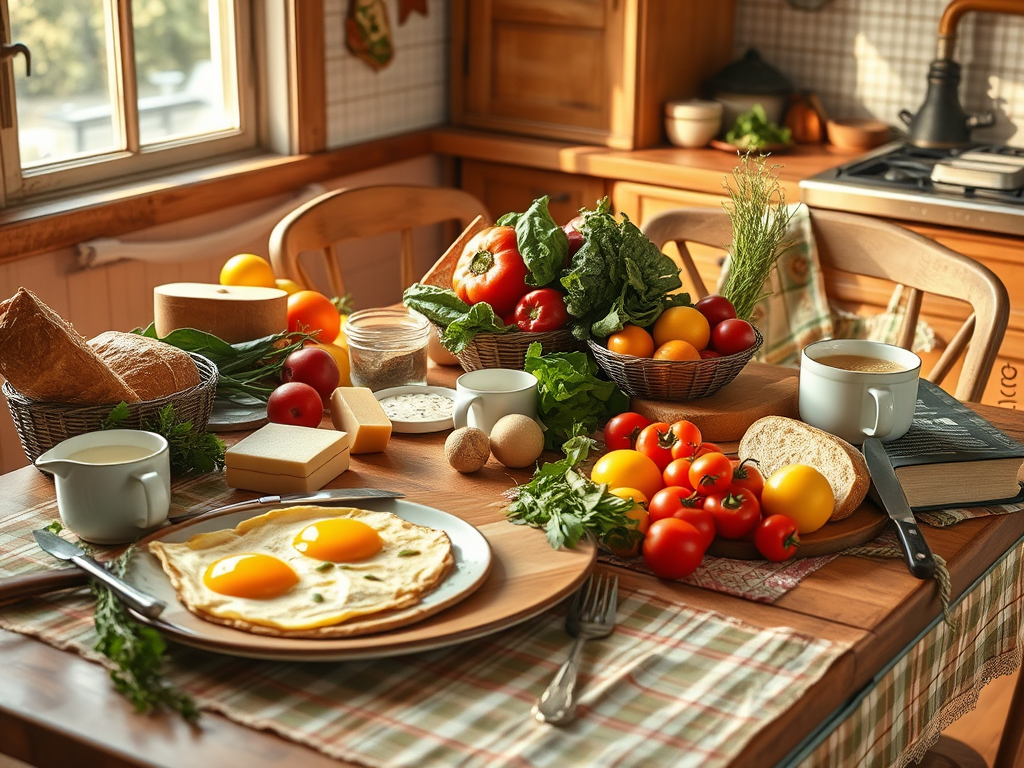
I started my mornings trying to make eggs the way she did, pouring coffee the way she did, and tossing and twirling in the kitchen as she did.
Julia became my support system, my food guru, and my creative confidante during my COVID recovery days. Maybe I sound like Julie from the movie, but maybe I had watched the movie so much—especially my subconscious mind—that I became the movie.
There was something profoundly comforting about Julia Child’s voice, her mannerisms, her unapologetic love for butter and cream. She wasn’t perfect in the traditional sense, and that imperfection was her magic. It was what made me, in my vulnerable and battered state, feel seen.
When you’re recovering from something as intense as Covid, there’s an odd loneliness that accompanies the process. Even if you’re surrounded by loved ones, it’s easy to feel detached—like a part of you is stuck somewhere else, struggling to catch up. Watching Julia Child whip up soufflés, debone ducks, and laugh at her own blunders reminded me that life is a series of imperfect attempts. And that trying, even when it feels messy, is worth it.
I started small. One day, it was a simple omelet. Another, it was crepes. Slowly, my taste buds began to return, one dish at a time. I remember the moment I first tasted the rich, velvety warmth of her boeuf bourguignon recipe—it was like my taste buds were welcoming me home after a long absence.
But it wasn’t just about food. Julia gave me permission to embrace creativity again. In her kitchen, there were no rules, no rigid standards—just joy, curiosity, and a willingness to make a mess in pursuit of something beautiful. I found myself not just cooking but writing again, sketching ideas, and tinkering with projects I had abandoned long ago.
Julia wasn’t just teaching me how to cook; she was teaching me how to live. How to find joy in the mundane, how to laugh at my mistakes, how to embrace the process instead of fixating on the result.
There’s a moment in Julia where she talks about the power of food to bring people together, to nurture and heal. That message hit me deeply. In a time when I felt disconnected from myself and the world, cooking Julia’s recipes became my way of rebuilding those connections. It was my love letter to myself, my family, and the little joys I had overlooked.
Even now, long after my recovery, I find myself returning to Julia’s world. Her voice is a constant reminder that life is better when it’s seasoned with laughter, butter, and a pinch of perseverance.
So, here’s to Julia—my late-night haven, my culinary muse, and my unexpected guide through the fog. In her own words, “Bon appétit!”


 Kay’s Odyssey
Leave a comment