What could you do differently?
I remember the moment I realized nothing was going to happen.
Not the dramatic kind of nothing.
No explosion. No goodbye.
Just the quiet violence of unanswered messages and a body that knew before the mind admitted it: this is it.
I replayed every sentence. Every pause. Every almost.
I told myself I could have spoken differently. Softer. Braver. Less available. Less intense. More mysterious. More patient. Less honest. Less me.
That’s when the question appeared—not as self-help, not as advice, but as an ache:
What could I have done differently?
It’s a seductive question. It implies control. It suggests that love is a chessboard, not a collision. That if we just move the right piece, the ending changes.
But here’s the truth most people don’t want to hear:
Sometimes the only thing you could have done differently
was leave the story earlier—
before it taught you everything it came to teach.
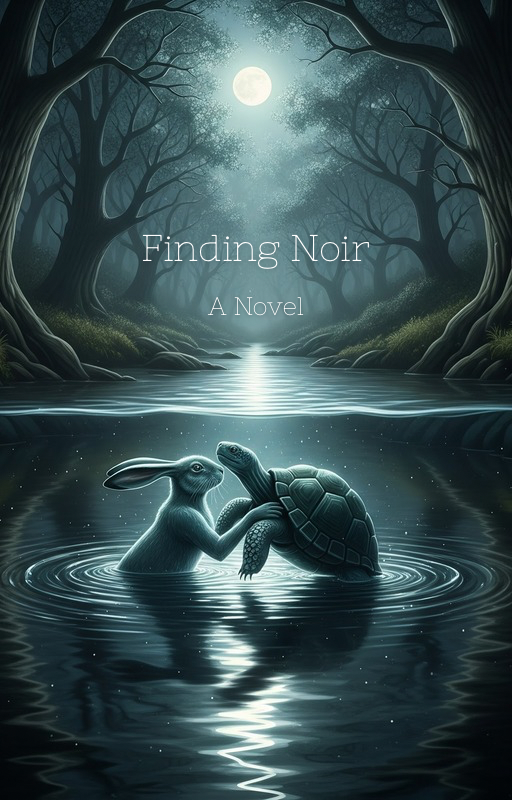
Finding Noir is not a book about how to get it right next time.
It’s a book about what happens when you stop editing yourself for an outcome that was never available.
It traces a connection that lived vividly in the interior world and failed spectacularly in the physical one. It explores twin flames, projection, longing, somatic memory, and the way absence can feel more intimate than presence. It refuses to tell you whether the connection was real, spiritual, imagined, karmic, or psychological—because the body doesn’t care what we name the wound.
This book doesn’t offer closure.
It offers recognition.
For anyone who has loved someone who never fully arrived.
For anyone who felt chosen in private and abandoned in reality.
For anyone who wonders whether depth itself is a liability in modern intimacy.
Finding Noir asks a quieter, more dangerous question:
What if you didn’t do anything wrong—
what if you were simply brave enough to feel everything?
And if that question unsettles you,
you might already be standing at the edge of this book.




Leave a Reply to bb greyCancel reply