What is your mission?
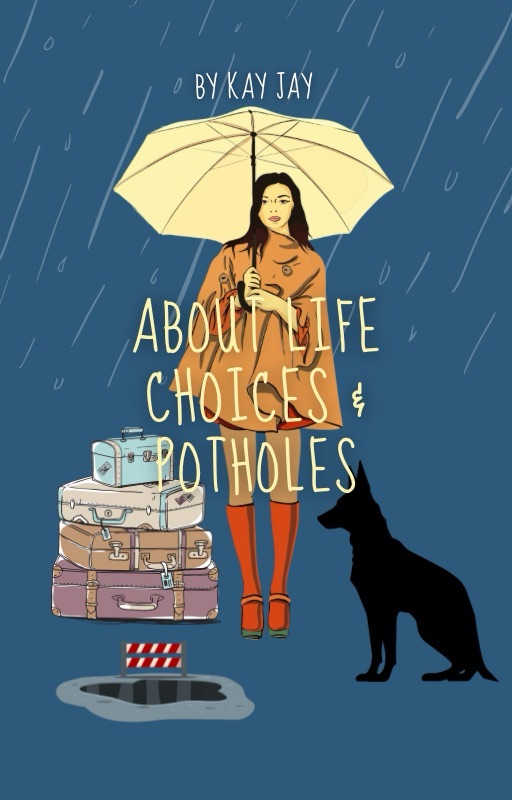
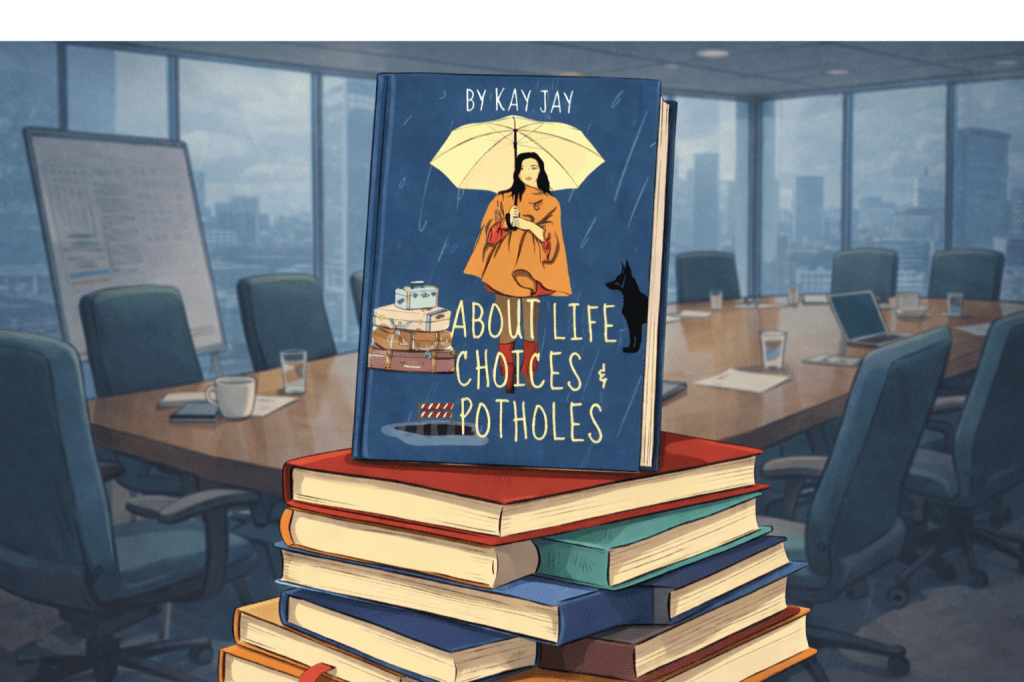
About Life Choices and Potholes
I wish I could say I saw it coming.
That there was a moment of hesitation, a quiet instinct ignored, a clear sign misread. But most of the decisions that shaped me arrived without warning and unfolded without commentary. They felt reasonable at the time. Defensible. Sometimes even brave.
The consequences arrived later.
About Life Choices and Potholes begins with that delayed realization—the distance between choice and comprehension. It is written from the understanding that wisdom rarely precedes action. More often, it trails behind it, attempting to make sense of what has already occurred.
This book is not a guide to better decision-making. It does not offer frameworks, heuristics, or corrective strategies. It is an examination of how insight is actually formed: through collision, through aftermath, through the slow, often uncomfortable work of reflection.
We are encouraged to believe that good outcomes result from good choices, and bad outcomes from poor ones. This book complicates that assumption. It explores how context, limited information, emotional readiness, and survival instincts shape our decisions far more than rational foresight ever could.
Potholes, in this sense, are not failures of intelligence. They are features of movement.
My mission here is intellectual honesty—to resist the temptation of neat narratives that retrofit intention and clarity onto experiences that were, in real time, opaque. The book refuses the comfort of hindsight bias. It acknowledges that understanding is not always available when it would be most useful.
Rather than judging past selves for what they did not know, About Life Choices and Potholes practices a different discipline: humility. The recognition that learning is often retroactive. That comprehension arrives only after the impact has already occurred.
This book is written for readers who are weary of advice that assumes foresight. For those who are tired of being told what they should have known. It sits with the reader not before the decision, but after it—amid the debris, the recalibration, the slow reorientation that follows.
There is no promise of mastery here. Only the quieter assurance that understanding does not require perfection—only attention.
If you find yourself looking back, learning forward, and resisting the urge to rewrite your past into something more coherent than it was, this book is already speaking your language.
It does not offer answers.
It offers companionship—after the fall.


 Kay’s Odyssey
Leave a comment