Where Can You Reduce Clutter in Your Life?
For the longest time, I believed clutter was a physical problem. Too many books on the shelf. Too many cables in drawers whose original purpose no one remembered. Too many mugs for a person who drinks tea from exactly one favorite cup.
So I did what most of us do. I organized. I donated. I folded. I labeled.
And yet, the noise remained.
It took a life reset—one I didn’t plan, didn’t ask for, and certainly didn’t romanticize—to realize that the real clutter in my life wasn’t visible. It lived elsewhere. In decisions postponed. In identities I carried long after they stopped fitting. In the quiet pressure to explain myself to everyone but me.
When I moved back to India after two decades in the U.S., I arrived with two suitcases and an unsettling amount of emotional excess. Jet lag peeled me open. The airport smelled like disinfectant, overripe fruit, and familiarity I wasn’t ready to embrace. Everyone moved fast. I moved cautiously. I had less stuff than I’d ever owned—and more mental clutter than ever before.
Clutter, I learned, doesn’t announce itself as chaos. It disguises itself as responsibility.
I had cluttered my life with “shoulds.”
I should stick it out a little longer.
I should aim higher.
I should be grateful, not confused.
I should already know who I am by now.
These thoughts piled up quietly, like unopened mail. Each one harmless on its own. Together, overwhelming.
Career clutter was the heaviest. Titles I no longer believed in. Definitions of success that felt borrowed. Resumes that flattened entire decades of living into bullet points that read like a stranger’s life. I kept polishing them, convinced clarity would arrive in the next version. It didn’t.
Then there was relational clutter—the conversations replayed in my head long after they had ended. The people I kept holding space for while standing in the dark myself. The breadcrumbs I mistook for nourishment.
At some point, exhaustion does what discipline cannot. It forces honesty.
I stopped trying to optimize my life and began subtracting instead.
I reduced clutter by letting go of the need to justify my choices. By accepting that not every pothole needs a lesson immediately. By allowing my days to be quieter, slower, less impressive.
I reduced clutter by trusting my body—its hunger, its fatigue, its instinct to pause. By fasting not to purify, but to listen. By realizing that I didn’t need a diagnosis to explain my sensitivity or restlessness. I didn’t need a label to be allowed to be me.
And perhaps most importantly, I reduced clutter by loosening my grip on certainty.
Life didn’t become simpler overnight. But it became lighter.
Clutter isn’t always about excess. Sometimes it’s about holding on too tightly to a version of yourself that once made sense.
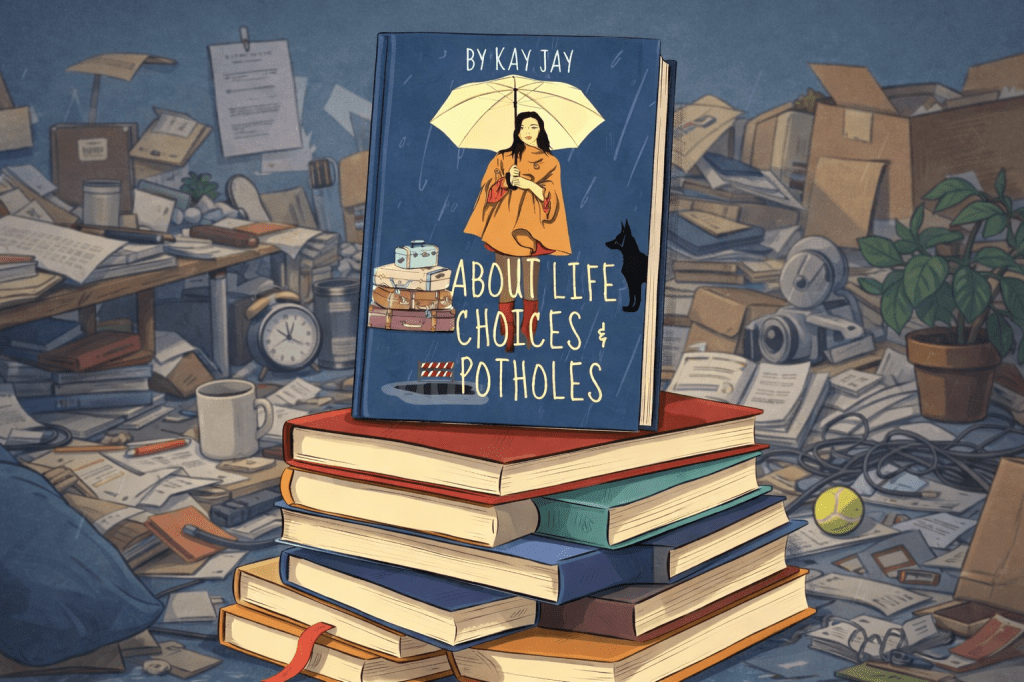
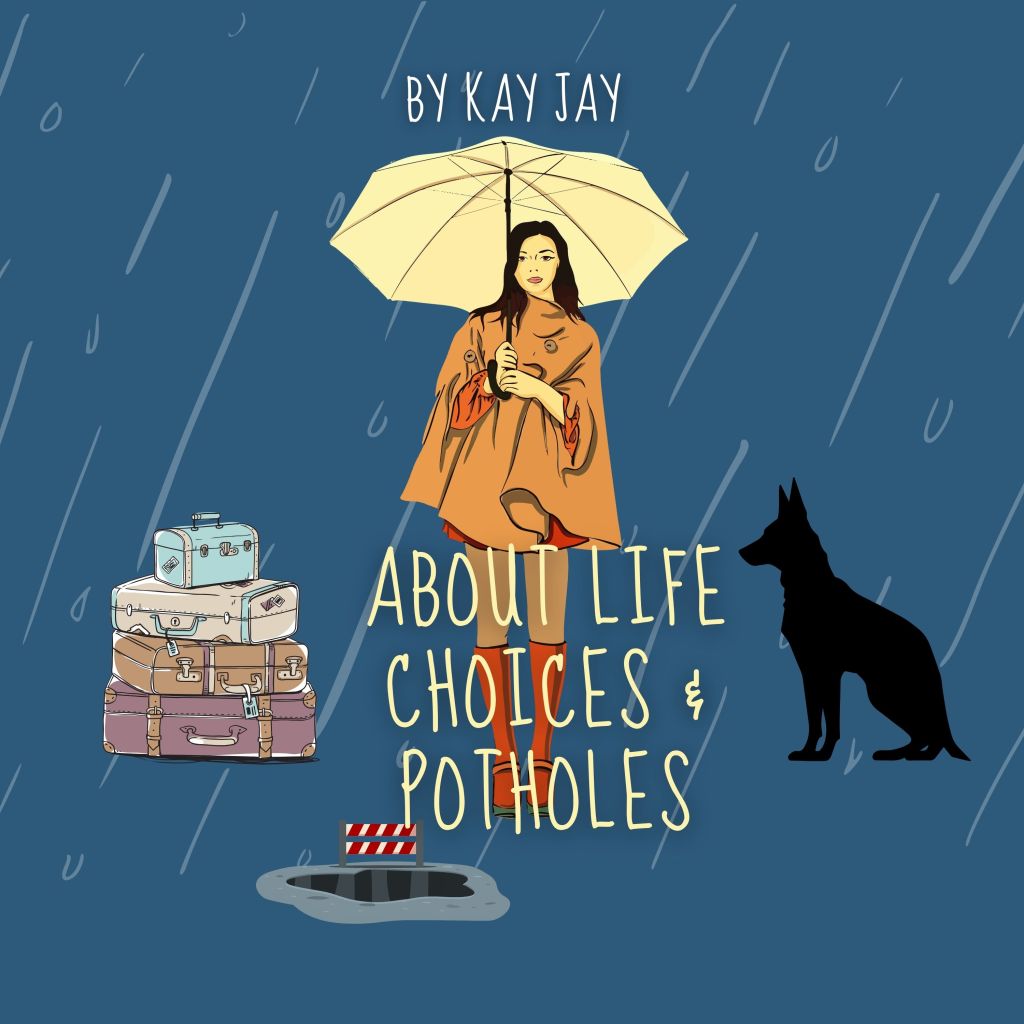
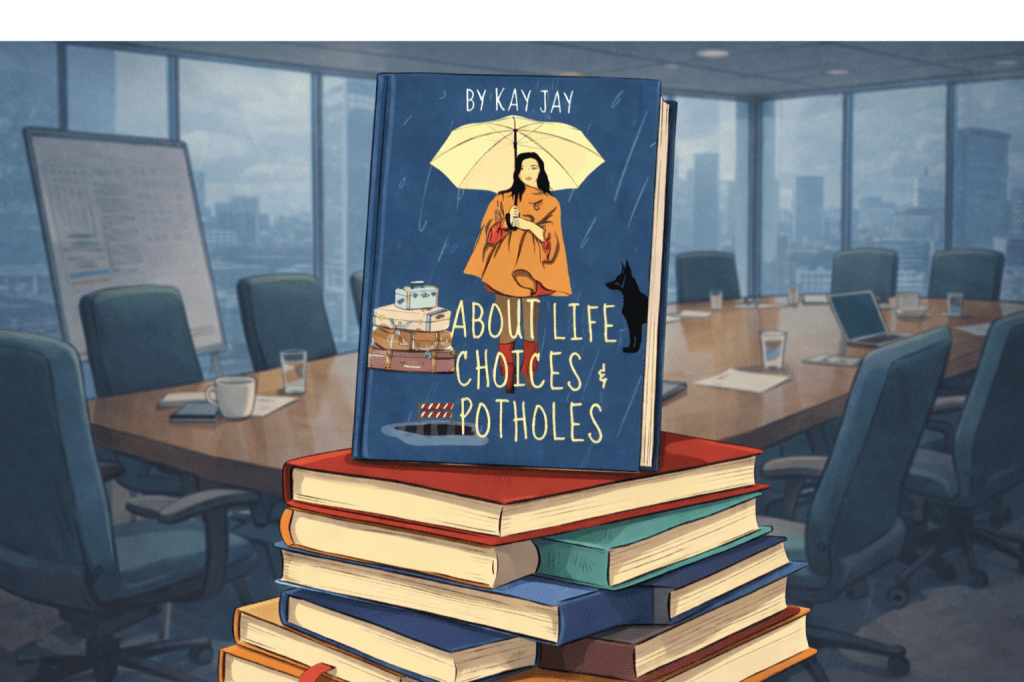
About Life Choices & Potholes is a story about those moments—when subtraction becomes survival, and letting go becomes the bravest decision you make.
If you’re feeling overwhelmed, maybe the question isn’t what you need to add.
Maybe it’s what you’re finally ready to release.



 Kay’s Odyssey
Leave a comment