

The question is deceptively simple. It appears at dinner parties, on application forms, in coaching sessions, and in the quiet corners of our own minds. What’s your dream job?
Most people answer with a title. Author. Founder. Artist. Consultant. Professor. Something that fits neatly into a LinkedIn headline and earns polite nods of approval. But the longer I sit with this question, the more I realise that job titles are a convenient distraction. They are placeholders for something deeper we are often afraid to name.
Because what most of us are really searching for is not a job.
It is meaning with momentum.
It is expression without invisibility.
It is work that matters—and is seen to matter.
This is where the question becomes uncomfortable.
The Myth of the Dream Job
The modern myth suggests that if you find your dream job, everything else falls into place. Fulfilment. Recognition. Financial stability. Validation. The market, we’re told, will reward authenticity.
But anyone who has tried to build something original—especially in the creative or intellectual economy—knows how fragile this myth is.
You can do work that is thoughtful, rigorous, emotionally honest—and still be ignored.
You can write a book that carries years of lived experience and deep insight—and watch it disappear into the algorithmic abyss.
The silence that follows is not just professional. It is existential.
This is the moment most people don’t talk about when they talk about dream jobs.
When Passion Meets the Market
A dream job today often involves creating rather than merely occupying. Writing books. Building platforms. Offering ideas, frameworks, perspectives. We are told to “share our voice” and “put our work out there.”
What we are rarely taught is how the market listens.
The gap between creative intent and market response is where many dream jobs quietly die. Not because the work lacks quality, but because its creator mistakes depth for visibility, sincerity for resonance, and effort for alignment.
This is especially true in publishing.
Writing a book feels like the ultimate expression of intellectual authority. It is slow work. Solitary work. Honest work. And when the book doesn’t sell, the conclusion many authors draw is painfully personal: Maybe my work isn’t good enough.
In reality, the failure is rarely artistic. It is structural.
Authority Is Not What We Think It Is
We often assume authority comes from expertise alone. From knowing more. From having lived more. From having something “important” to say.
But authority, in the real world, emerges at the intersection of three forces:
- Clarity of message
- Emotional resonance
- Market positioning
Miss one, and even the most intelligent work struggles to survive.
This is the uncomfortable truth behind many dream jobs that stall. We learn the craft. We refine the thinking. We do the inner work. But we never learn how value is perceived, not just created.
And perception, whether we like it or not, is shaped by psychology, language, and money.
The Silent Education Gap
No one tells you that selling a book—or an idea—is not a betrayal of integrity. It is an act of translation.
The market does not reject nuance; it rejects confusion. It does not punish depth; it punishes obscurity. And it does not reward effort; it rewards connection.
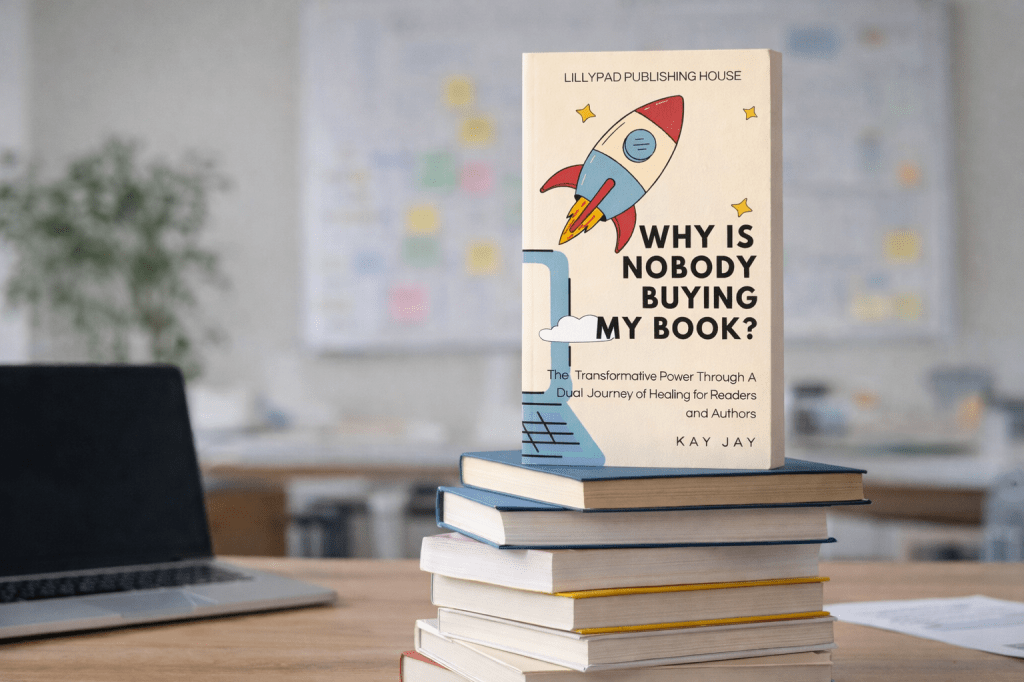
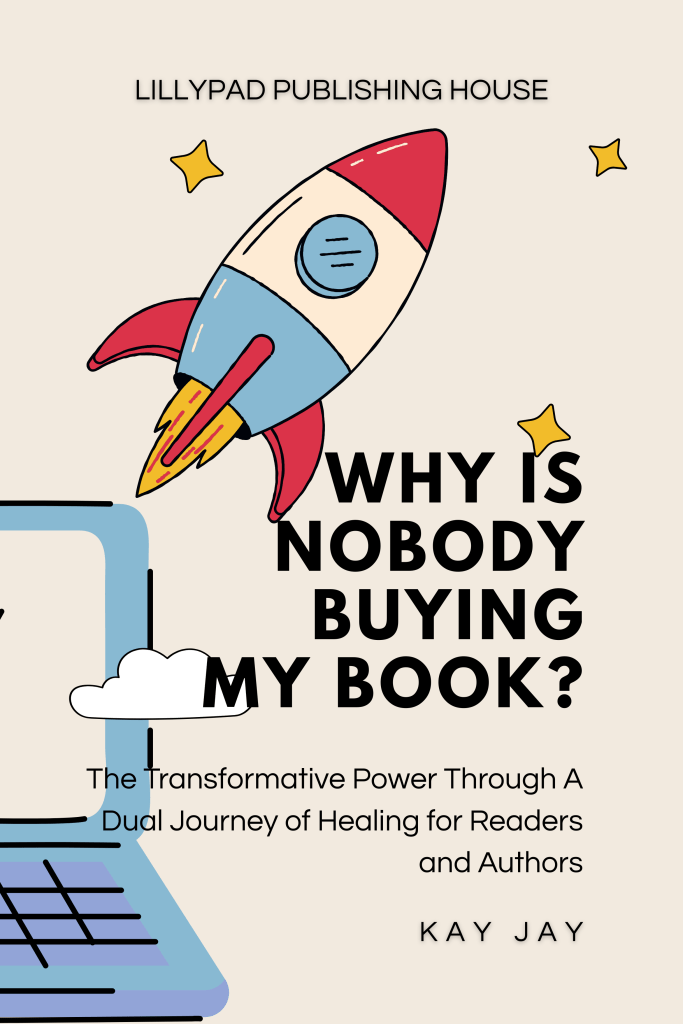
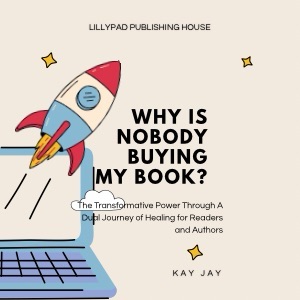
This gap—between what creators believe should matter and what actually reaches people—is what inspired Why Is Nobody Buying My Book? Not as a marketing manual, but as a mirror.
Because the real crisis isn’t unsold books. It’s the quiet erosion of confidence that follows. The slow decoupling of self-worth from work. The temptation to either shout louder or disappear entirely.
Neither leads to a dream job.
Redefining the Dream
A dream job, I’ve come to believe, is not one where you are endlessly inspired. It is one where your work travels. Where it finds its readers, users, clients, or audience without requiring you to become someone you are not.
It is work that understands the emotional economy it operates in. That respects attention as a scarce resource. That speaks with people, not at them.
It is also work that allows you to remain whole when outcomes fluctuate.
Because markets are unpredictable. Algorithms shift. Sales dip. Silence returns. The dream job is not immune to these realities—it is resilient in the face of them.
The Question Beneath the Question
So when someone asks, What’s your dream job? I no longer answer with a role.
I answer with a condition.
To create meaningful work.
To understand how it lands.
To bridge the gap between inner truth and outer traction.
To remain intact when the market responds slowly.
That, ultimately, is what most creators are searching for—whether they are writing books, building businesses, or offering ideas to the world.
And that is the conversation we need to have more honestly.
Not just about dreams—but about what it takes for them to survive contact with reality.





 Kay’s Odyssey
Leave a comment