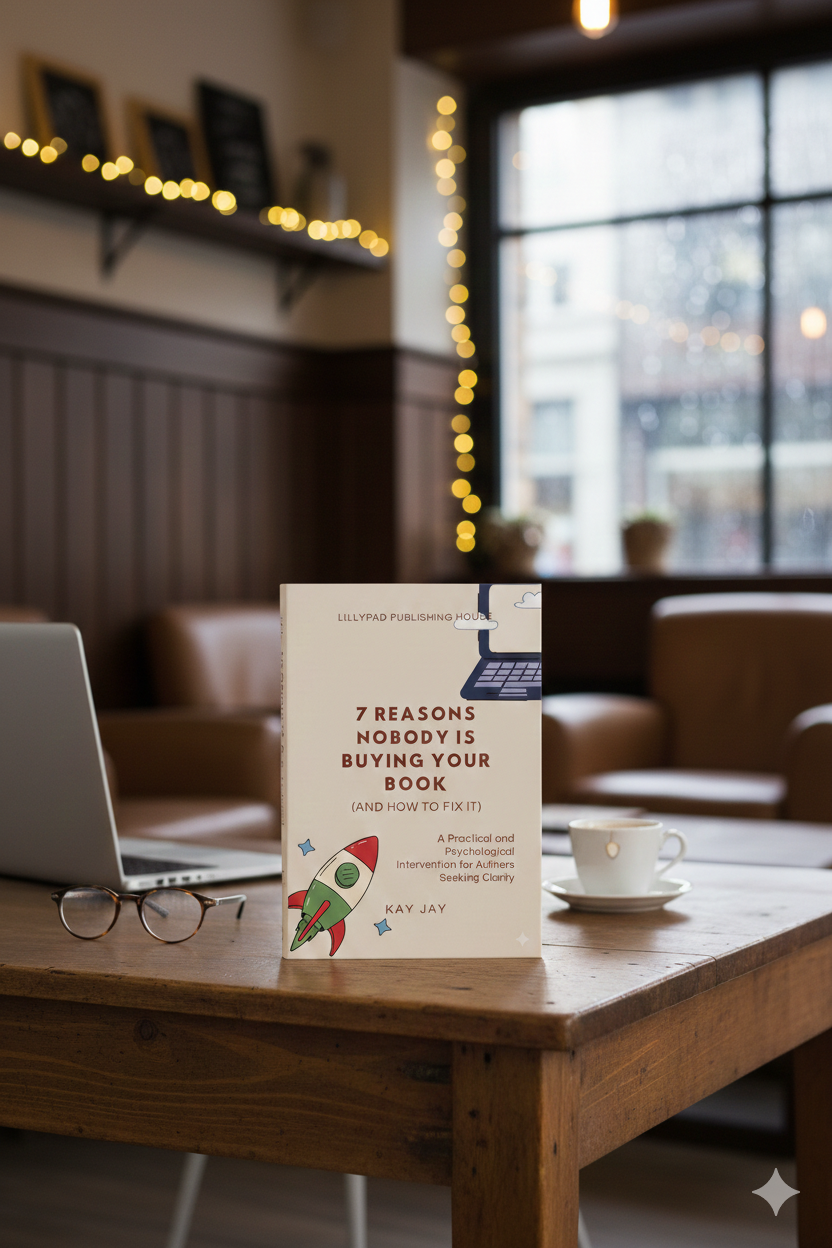
Analyzing what makes a signal irresistible in a crowded feed.
In the current attention economy, your book has a new and more dangerous competitor than any other author: the endless scroll.
The problem is not that readers are actively rejecting your book; it’s that they are barely seeing it. Your book exists inside an environment of overwhelming choice and perpetual distraction. Every phone swipe, every notification, every new piece of content is an appeal for attention.
This is the reality of the marketplace. Your masterpiece, the thoughtful, well-edited book you poured your heart into, is competing against vacation photos, breaking news, and quick-hit entertainment. It is competing against distraction, and distraction is relentless.
This introduces the Distracted Scroll Test:
If a potential reader is scrolling quickly—not searching for a solution, but merely trying to ignore the noise—does your book’s presentation offer an immediate, clear, and emotional reason for them to stop?
If your book requires the reader to slow down, click, and evaluate its quality, it has already failed the test. The modern reader will not accept the burden of translation. Your book must be instantly and relentlessly recognizable.
Consider the difference in signals on a crowded feed:
- Invisible Signal: A book cover featuring a calming landscape and a polite title, such as The Quiet Path to Self-Improvement. It suggests quality and a good topic, but it offers no specific, immediate reason to interrupt the scroll. Its message is generic and easily ignored.
- Irresistible Signal: Another book, on the same fundamental topic, is titled, Why You’re Still Tired: The High-Achiever’s Guide to Reclaiming 3 Hours a Day. This signal is a shout of recognition. It names a specific, painful struggle (being tired despite being high-achieving) and promises a concrete result.
The irresistible signal doesn’t rely on being “good.” It relies on being relevant to the point of being magnetic. It doesn’t ask the reader to buy a product; it interrupts their state of distraction to shout, “This is for you right now.”
Your book’s presentation—your title, subtitle, and cover—must function as a clear, simple invitation that cuts through the noise. Stop designing for the reader who is actively searching, and start designing for the distracted reader who needs to be stopped cold by the emotional truth of your work. That immediate, specific signal of relevance is the only true lever for visibility.
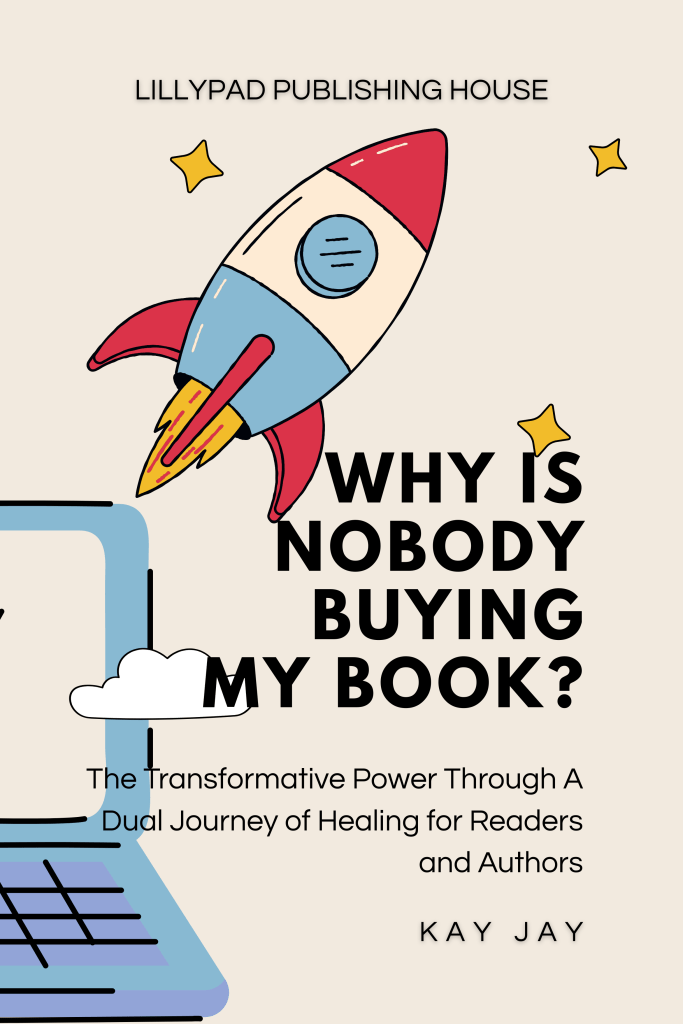
7 Reasons Nobody Is Buying Your Book






Leave a Reply