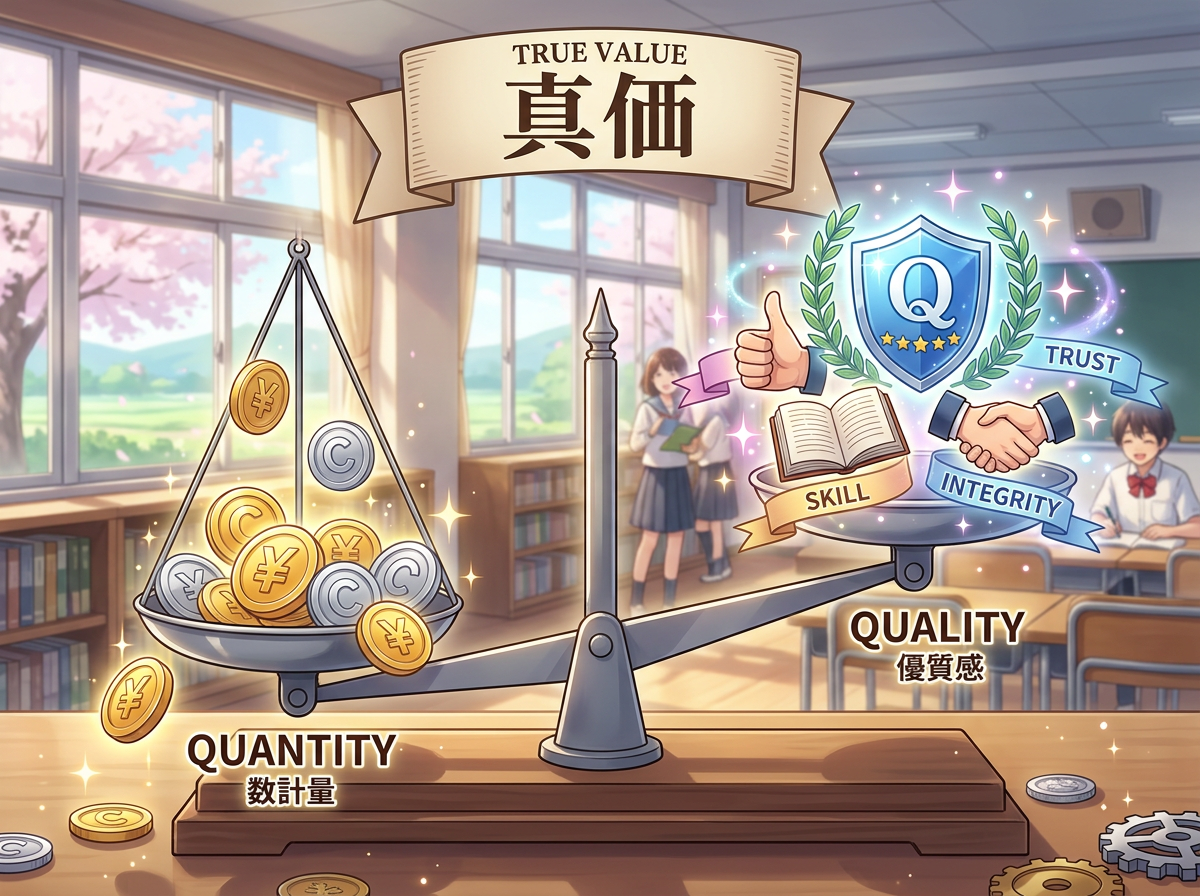
Why Starting Cheap Destroys Your Business
When a new founder says, “I’ll price my services competitively to win my first few clients,” what they actually mean is, “I’m terrified of rejection, so I’m going to make myself cheap.”
This defensive instinct doesn’t protect you; it destroys you.
When you launch at the bottom of the market, you trigger a “Death Spiral.”
First, you attract the most volatile clients—the ones who buy on price are the hardest to satisfy and the first to leave.
Second, you signal low quality.
In a market with asymmetric information, price is the only proxy a buyer has for competence.
If you are 40% cheaper than the market, a sophisticated buyer assumes you lack the insurance, experience, or reliability to do the job right.
The Anchor Strategy
Stop treating pricing like an exercise in self-worth. It is a structural safeguard.
- Audit: Find three comparable operators in your region.
- Anchor: Set your launch price at or above the market midpoint.
- Compete on Value: If you want to compete, do it on speed, operational reliability, or communication.
High pricing filters out the high-friction, low-margin accounts and signals that you take your business seriously. You aren’t a commodity; don’t price yourself like one.





Leave a Reply