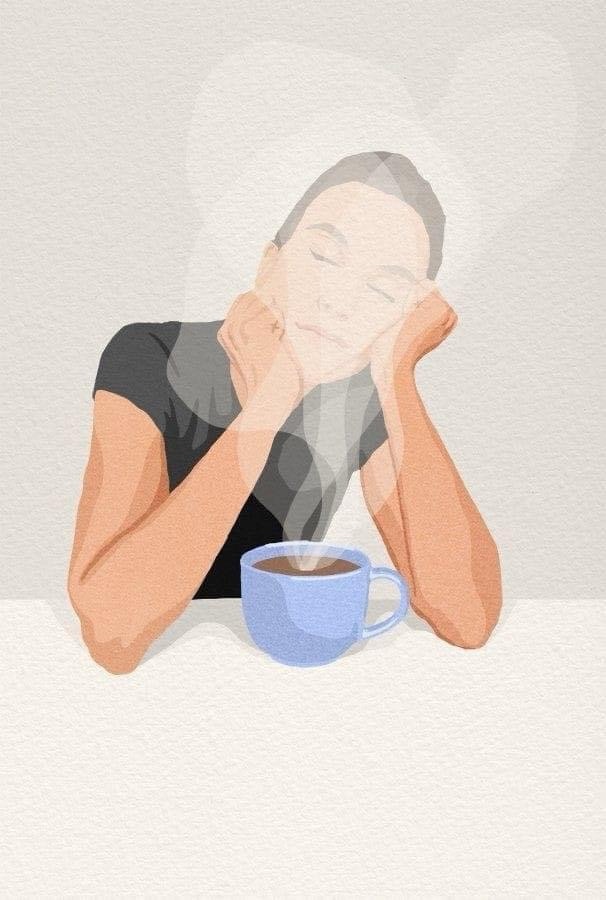
Do I need time? Absolutely. But not the kind of time people talk about when they say, “Take a break,” or “Go meditate.” The time I crave is quieter, more practical, and oddly specific—like a Sunday morning that smells faintly of detergent and wet fur.
For someone like me—wired on anxiety and caffeine, allergic to stillness—time isn’t about stopping. It’s about resetting. And my reset button happens to be a washing machine.
Every Sunday, I start with the sheets. I strip the bed like I’m shedding another layer of myself—the one that’s tried too hard all week to appear fine. The washer hums in the background, rhythmic and reassuring. One small cycle of order in a world that rarely makes sense.
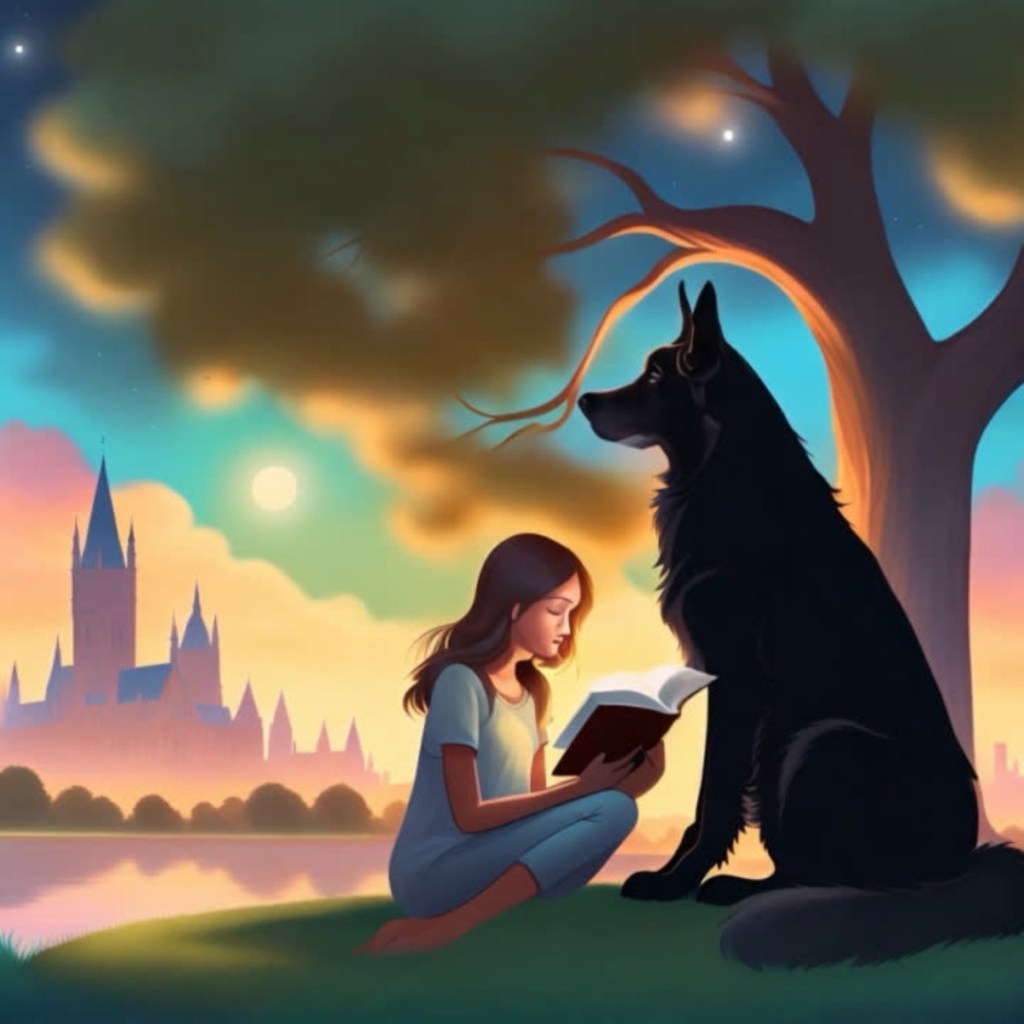
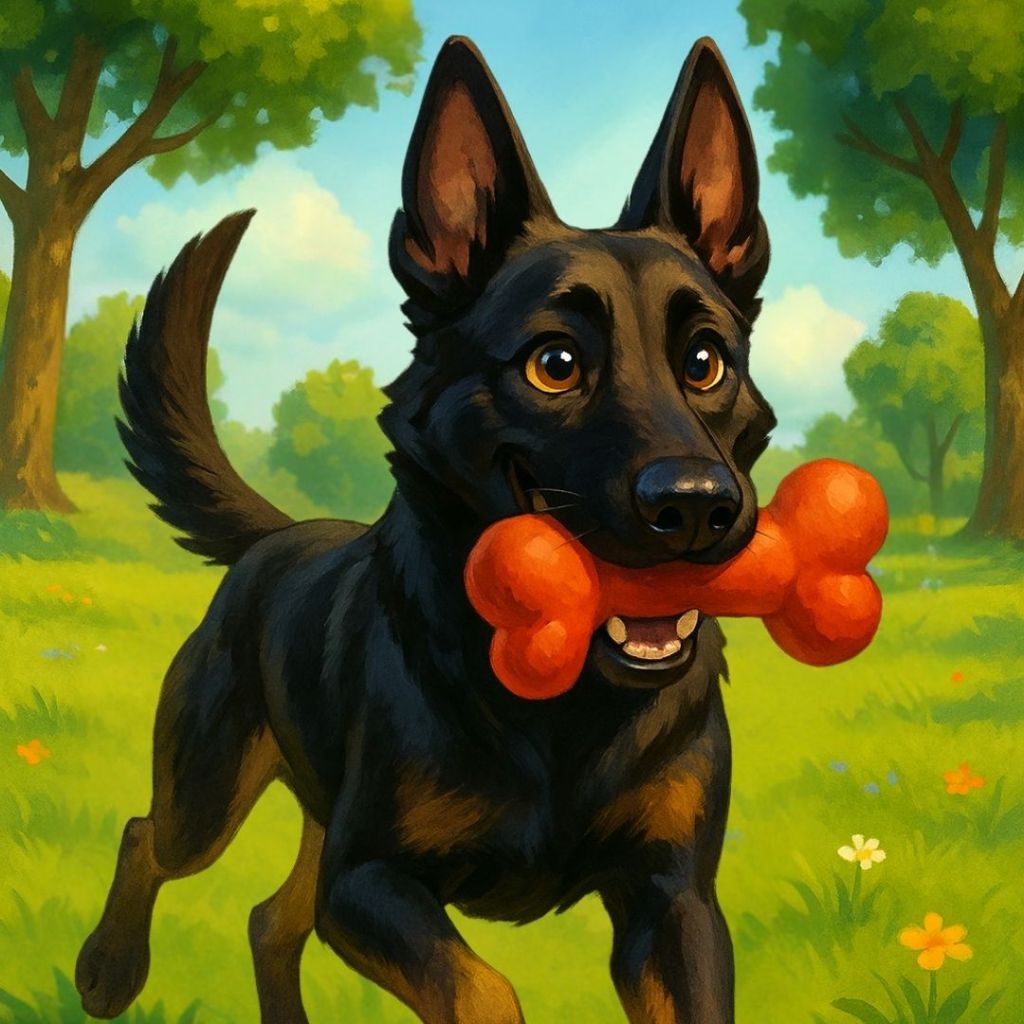
Then there’s Sauli, my Belgian Malinois—my furry embodiment of chaos. She doesn’t believe in schedules or sanity. If there were a washing machine big enough for her, I’d use it. But instead, I wrestle her into the bathroom, half-laughing, half-regretting, as she shakes mid-soap, turning me into a drenched participant in her rebellion.
And yet, that’s my favorite kind of time—the messy, wet, ridiculous kind that forces me to be here. No deadlines. No pretending. Just a woman, her dog, and the illusion that water can rinse away everything heavy.
After Sauli’s done and sulking in her towel cocoon, I finally step into my own “washer”—the shower. It’s my private spin cycle. The steam fogs the mirror; the noise of life fades. For a few sacred minutes, there’s nothing but water and breath.
If you’d asked me a few years ago what I needed, I might’ve said more hours in a day. Now? I think what I need is what Sunday gives me—just enough time to pause, reset, and laugh at the absurdity of trying to control anything.
In About Life Choices & Potholes, I write about these quiet revolutions—the small moments that sneak up and heal you when you least expect it. Because time, I’ve realized, isn’t always measured in hours or days. Sometimes, it’s just a single spin cycle, a clean bed, a wet dog, and a deep breath that says:
You’re still here. You’re still trying. And that’s enough.
(Hint: it involves a leash, a fence, and one very determined rescue pup.)
I wish I could say yoga.
Or pilates. Or something serene that involves candles and slow breathing.
But if I’m being honest?
My favorite form of exercise is called “Chasing Sauli.”
It’s a high-intensity, full-body cardio workout that starts the moment my rescue pup decides fences are suggestions.
There’s sprinting (after her), squats (to grab the leash she somehow dropped), core strength (from holding back laughter and panic at once), and endurance (because she always finds a new way to escape).
There are no memberships, no mats, no fancy shoes. Just me, my heart rate spiking, and Sauli—running like she’s auditioning for Fast & Furious: Dog Edition.
But here’s the secret: somewhere between the chaos, laughter, and occasional mud bath, I realized this isn’t just exercise.
It’s connection.
Every chase, every wild run through the park, every moment she looks back mid-sprint as if to say “Come on, human!”—it’s life reminding me to move, to play, to breathe.
That energy, that wildness, that hilariously unfiltered joy—that’s what inspired my book series, The Adventures of Sauli the Rescue Pup.
Because sometimes, the best workouts aren’t found in gyms. They’re found on the other end of a leash.
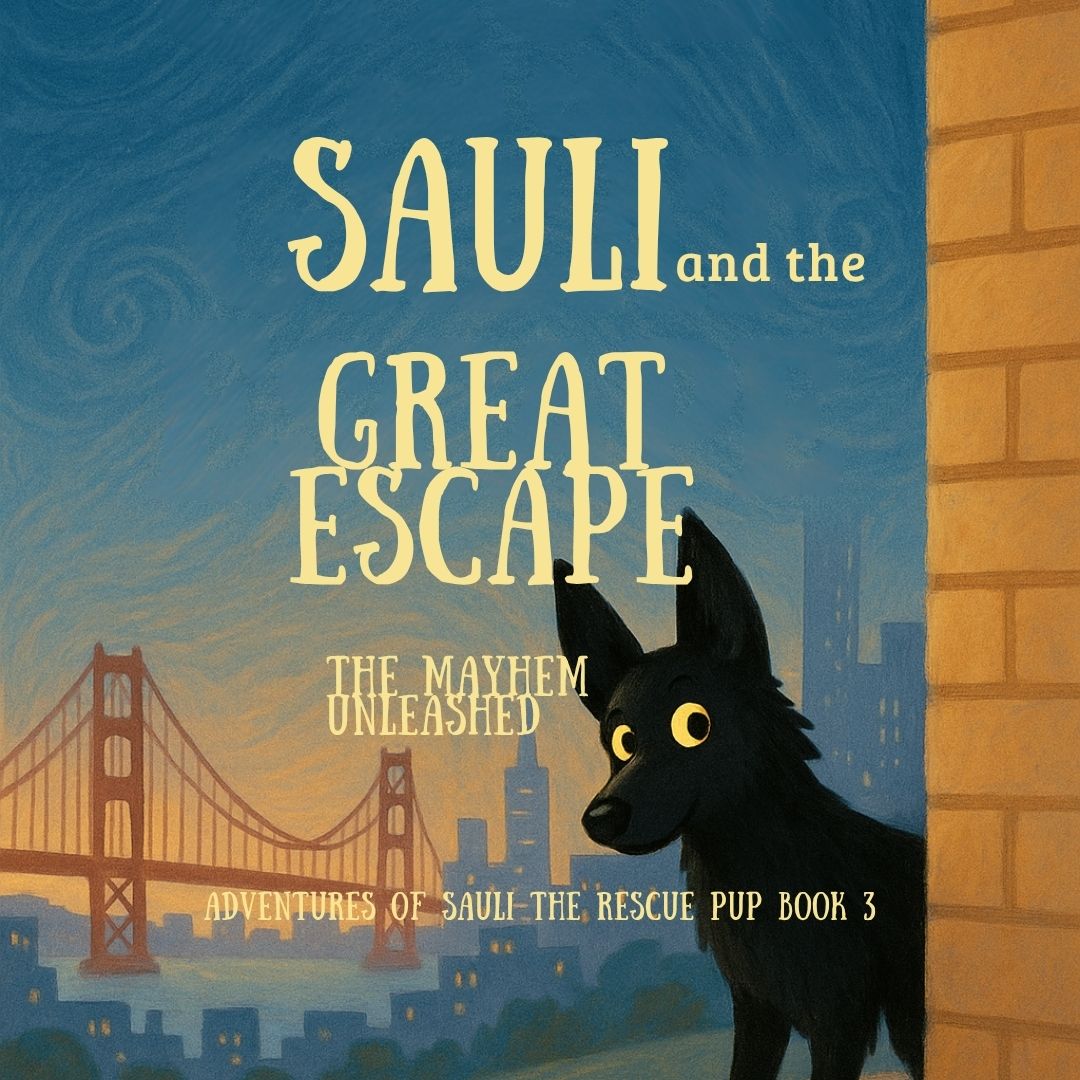
🐾 Sauli and the Great Escape
Book 3 of The Adventures of Sauli the Rescue Pup is now available on Amazon.
(A reflection inspired by my book About Life, Choices, and Potholes)
I’ve often wondered what it would feel like to leave everything behind — not metaphorically, but literally. To board a spacecraft, strap in, and watch Earth shrink into a soft blue marble, carrying within it every joy, heartbreak, and unanswered email I’ve ever known.
If you asked me how much I’d pay to go to the moon, my first instinct would be: everything I own. Not because I’m obsessed with space, but because the idea of distance — of being far enough to see life clearly — has always fascinated me.
You see, sometimes we don’t need to fly to the moon to realize how much we’ve been orbiting things that don’t really matter.
When I wrote About Life, Choices, and Potholes, I was in my own kind of launch sequence — leaving behind a career, a country, and a version of myself that no longer fit. I wasn’t chasing adventure; I was chasing clarity. I wanted to look at my life the way astronauts look at Earth — with awe, distance, and a touch of melancholy.
The truth is, the moon is a metaphor.
For that dream we’ve shelved.
For that risk we’ve postponed.
For that version of us we’ve never had the courage to meet.
And just like a lunar mission, the journey costs something — not in dollars, but in comfort, predictability, and the illusion of control.
Leaving the life I built in the US and starting over in India felt, in many ways, like stepping into space. Weightless. Directionless. Terrifying. But also — breathtakingly free. It forced me to question what “home” meant, what success really looked like, and what I was willing to lose in order to find myself again.
So if you ask me now, how much would I pay to go to the moon?
Maybe not everything — because I’ve learned the real magic isn’t up there. It’s right here, in the messy middle of life, where the ground is uneven, the potholes deep, but the view — when you look up — just as vast.
In About Life, Choices, and Potholes, I write about these earthly moons — the leaps that cost us something but bring us closer to who we truly are. Maybe we don’t all get to walk on the moon. But if we’re lucky, we get to walk ourselves home.
What alternative career paths have you considered or are interested in?
(Inspired by my book About Life, Choices, and Potholes)
If someone had told me a decade ago that my “career” would one day include storytelling, healing, and writing about life’s unpredictable messes, I would’ve laughed. I was trained to think in straight lines — college, career, promotions, retirement. Life, however, had other plans.
Like many of us, I once believed that fulfillment came from achievement — that your title, paycheck, and business card somehow proved your worth. And for a while, I played that game well. Until one day, the system I had built my life around — job, visa, stability — suddenly reminded me that I didn’t truly belong there.
That moment cracked something open.
I began asking questions I had avoided for years: If not this, then what?
That’s how About Life, Choices, and Potholes was born — not from certainty, but from chaos. From nights of wondering what comes next when the path you’ve been walking dissolves beneath your feet.
Since then, I’ve flirted with many alternative paths — each one whispering a different truth about who I am. Writing became my therapy. Teaching and mentoring opened my heart. Holistic healing, with its roots in energy and intention, taught me that success is not always visible — sometimes it’s felt.
The world glorifies specialization. But what if we’re meant to evolve — to live many lives within one lifetime? To be the analyst and the artist, the strategist and the storyteller?
I no longer chase one perfect label. I’m learning to honor the mosaic of it all — the detours, the dead ends, and the potholes that shaped me into something far richer than a résumé ever could capture.
In About Life, Choices, and Potholes, I invite you to reflect on that too — the alternate versions of you that are waiting patiently to be lived. Because maybe the truest career path isn’t a ladder at all. Maybe it’s a spiral — one that leads you back to yourself.
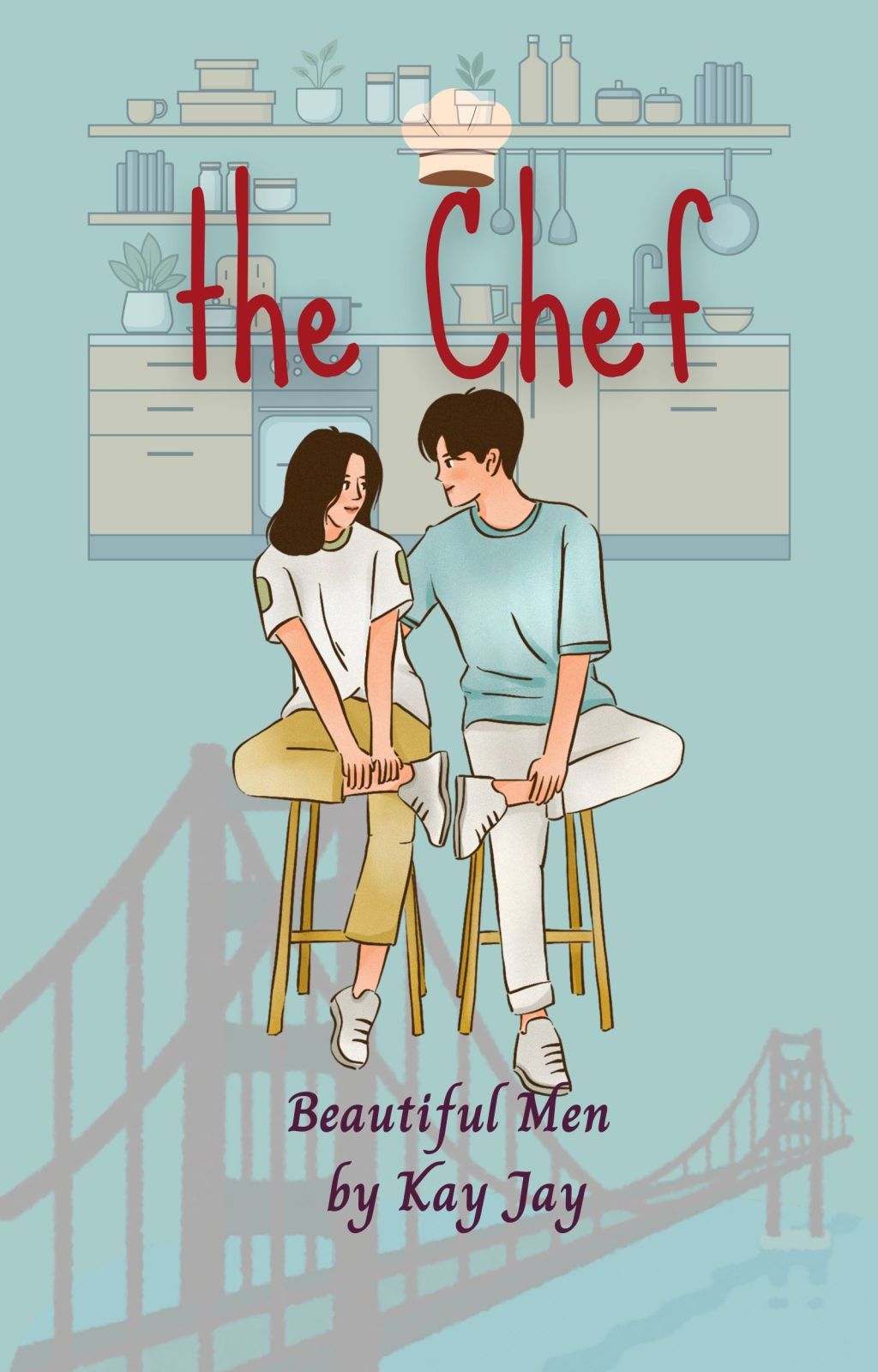
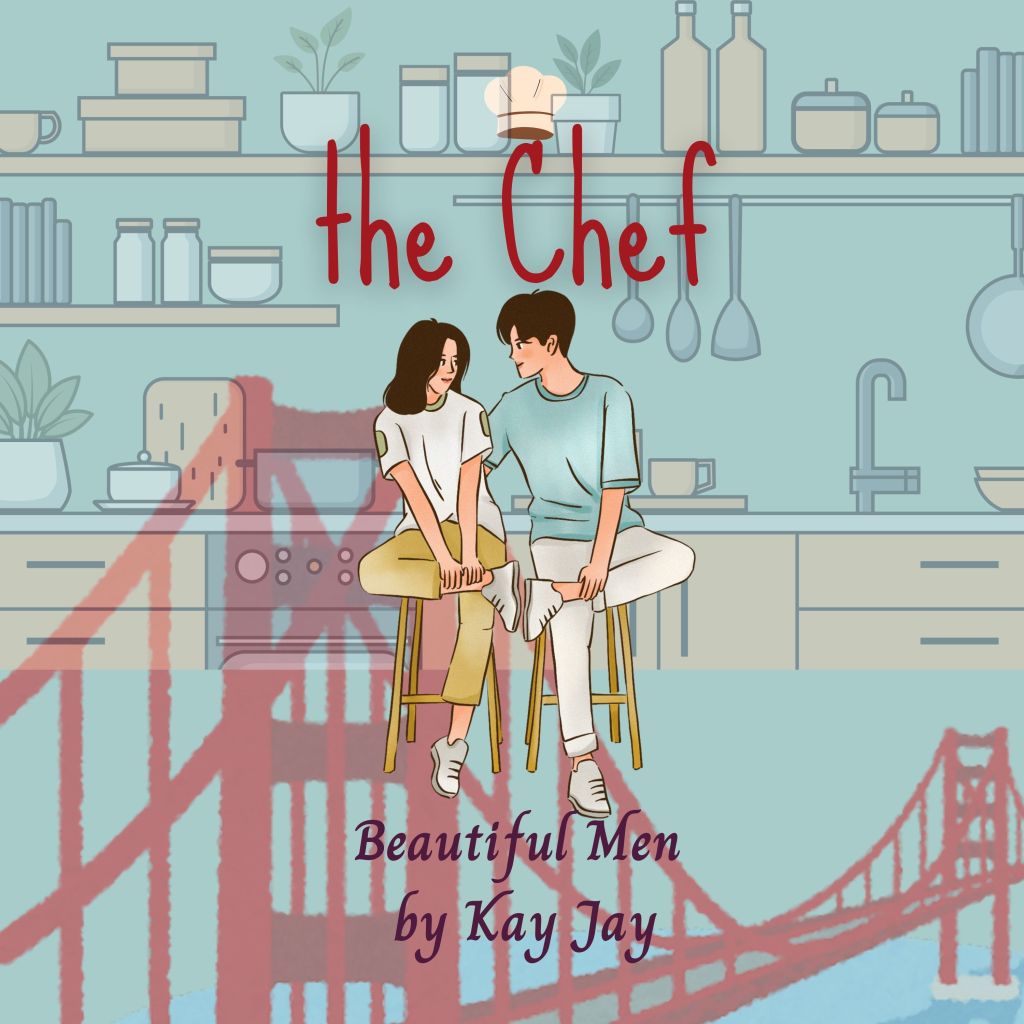
If you asked me this question a few years ago, I might’ve shrugged and said something safe—pasta, maybe. Or a salad that looks healthy but tastes like regret. But now, after writing Beautiful Men: The Chef, I’ve come to see food not as a skill, but as a language of the soul.
When I think of a “specialty,” I no longer think of what I’m good at cooking. I think of what I’m good at feeling through.
In the book, Kevin—the chef at the heart of the story—doesn’t just cook to feed others; he cooks to understand himself. Every dish he creates is a confession. The way he slices onions, slow and deliberate, feels like the way one learns to forgive. The way he folds butter into dough, patient and rhythmic, mirrors the way love asks to be tended—over time, with care, and without rushing the rise.
And Tammy, the woman who walks into his life from the other side of the screen, isn’t impressed by the precision of his plating. She’s drawn to the quiet ache behind his meals—the kind that says, I’ve been lonely too.
Writing their story changed how I see my own kitchen.
Now, when I cook, I pay attention to what my body is trying to say. If I’m restless, I make something that simmers—a stew, a curry—something that teaches me to wait. If I’m tender, I bake, because baking is faith in action. You measure, you mix, and then you let go. The oven does its part when you stop interfering.
That, I think, is my specialty now: listening.
Listening to what my body craves, to what my heart fears, to what the silence in the kitchen is whispering back. Because food isn’t just about taste—it’s about presence.
The act of cooking for someone you love, or even for yourself, is deeply spiritual. It’s the most intimate form of saying, I see you. You deserve warmth. You deserve nourishment.
When Kevin says in The Chef,
“Cooking was never about impressing anyone—it was about remembering I was still alive,”
he captures what I think every artist, every lover, every human eventually learns: that love, in all its forms, is an act of remembering.
So, what food would I say is my specialty?
Something simple. Something soulful. Something that reminds me of connection—like Kevin’s basil risotto, stirred slowly until creamy and forgiving, or Tammy’s favorite lemon tart, a little tart at first bite but soft at heart.
Because in the end, the food doesn’t have to be perfect. It just has to be honest.
And maybe that’s what Beautiful Men: The Chef is really about—learning that the recipe for love, healing, and fulfillment isn’t complicated. It’s about showing up as you are, stirring what you have, and trusting that it’s enough.
🥄 Experience the story. Taste the emotions.
Read Beautiful Men: The Chef — available now on Amazon.
It’s a question that seems simple enough—wars, revolutions, inventions, pandemics, elections. The milestones we were taught to underline in textbooks. But when I think of history, I don’t see dates or leaders. I see moments—small, human moments—where the Earth herself bore witness.
I remember the day the skies over San Francisco turned orange, as if the sun had grown weary and decided to rest. I remember the summer when rivers ran so dry that the fish lay gasping in the mud. I remember the floods that swallowed entire towns, the fires that raged for weeks, the ice that cracked and wept into the sea.
We call these “environmental crises,” but to me, they feel like history too—because they mark the chapters of a changing Earth.
In many ways, A Song and Dance for Mother Earth is about remembering. Not the history we memorized, but the history we have lived alongside the planet—the one written in smoke, wind, and tide. The one that reminds us that the Earth, too, has stories to tell.
Each piece in this series is a fable, but also a mirror.
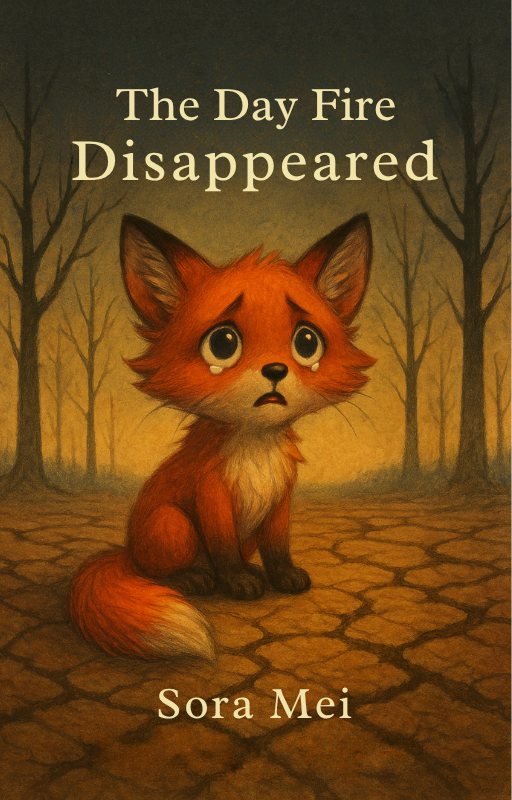
There’s The Day Fire Disappeared, when humanity learns what happens when the flame that built civilization decides to go out.
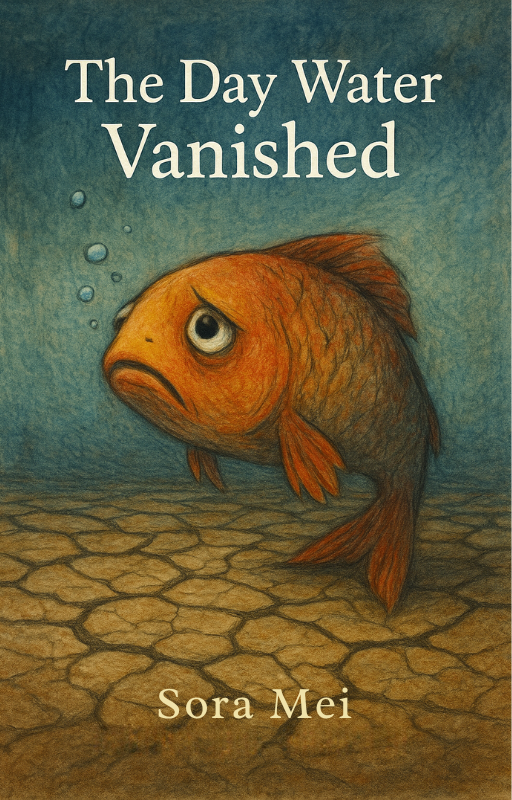
There’s The Day Water Vanished, where rivers dry up to remind us that every drop we waste is a piece of our own reflection.
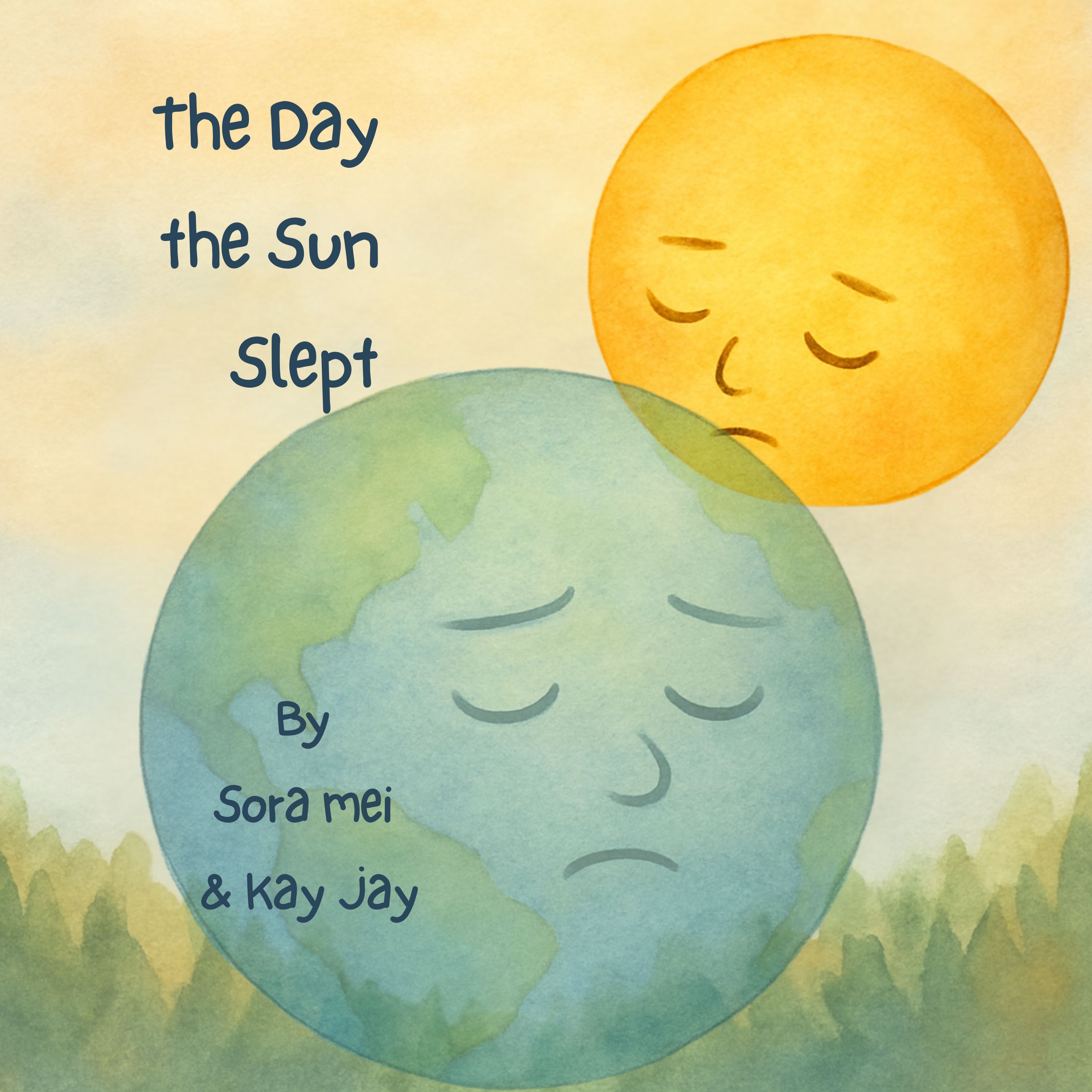
And there’s The Day the Sun Slept, when the light that sustained us grows dim, asking us to pause and listen to the Earth’s silent plea.
These are not apocalyptic tales. They are love stories—between humankind and the world that raised us. They are reminders that the Earth’s memory runs deep, and that every act of care, every small promise kept, becomes a note in the song we sing back to her.
So, when I ask what major historical events you remember, perhaps I’m not asking about kings or wars or borders. I’m asking:
Do you remember the first rain that smelled like home?
Do you remember the forest path where you felt utterly alive?
Do you remember the sound of the ocean that made you feel both tiny and infinite?
Those are the moments that matter now. Because history is not only about what we’ve built—it’s about what we’ve broken, and what we still have the chance to heal.
A Song and Dance for Mother Earth is my way of remembering—and inviting you to remember too.
Because perhaps the greatest event in human history isn’t something that happened to us, but something we’re still part of:
What’s the biggest risk you’d like to take — but haven’t been able to?
(Inspired by my book About Life, Choices, and Potholes)
If you asked me five years ago what my biggest dream was, I would’ve probably said something practical — to climb the career ladder, to live in a beautiful home, to check off a few more countries from my travel bucket list. But if you ask me today what the biggest risk I’d like to take is — it’s far less tangible and far more terrifying.
It’s the risk of choosing myself.
Sounds simple, right? But it’s not.
Choosing yourself means walking away from what doesn’t serve you — even when it once did. It means saying no to jobs that drain you, to relationships that no longer see you, and to the version of yourself you’ve outgrown. It means rebuilding your life from scratch — not because something broke, but because you finally realized you deserve something truer.
In About Life, Choices, and Potholes, I write about this very moment — that terrifying pause between knowing something isn’t right and daring to change it. I talk about how we stay in safe, predictable loops: the job that looks good on paper, the city that feels like home but treats us like guests, the people who like the version of us that never says no.
But what if safety isn’t the goal?
The biggest risk isn’t quitting or leaving — it’s believing that there’s more to your story, even when you can’t see how it ends. I learned that when I packed my life into two suitcases after years in the U.S., forced to start again because of a visa technicality. It wasn’t my choice, but it made me realize how many choices I had avoided making.
I used to think that control equaled safety. But sometimes life pushes you off the edge to show you how well you can fly.
So maybe the risk I haven’t yet taken — but hope to, every day — is living unapologetically by my own design. Not out of rebellion, but reverence. For the quiet knowing that whispers, “This isn’t the end — it’s your next beginning.”
And if About Life, Choices, and Potholes teaches you anything, I hope it’s this — the road might be bumpy, but it’s yours. And that makes all the difference.
(A story about chaos, second chances, and one unforgettable rescue pup)
If you’d asked me this question years ago, I might’ve said something predictable—career milestones, creative projects, maybe a degree or two.
But now, I’d say: I’m proud that I said yes.
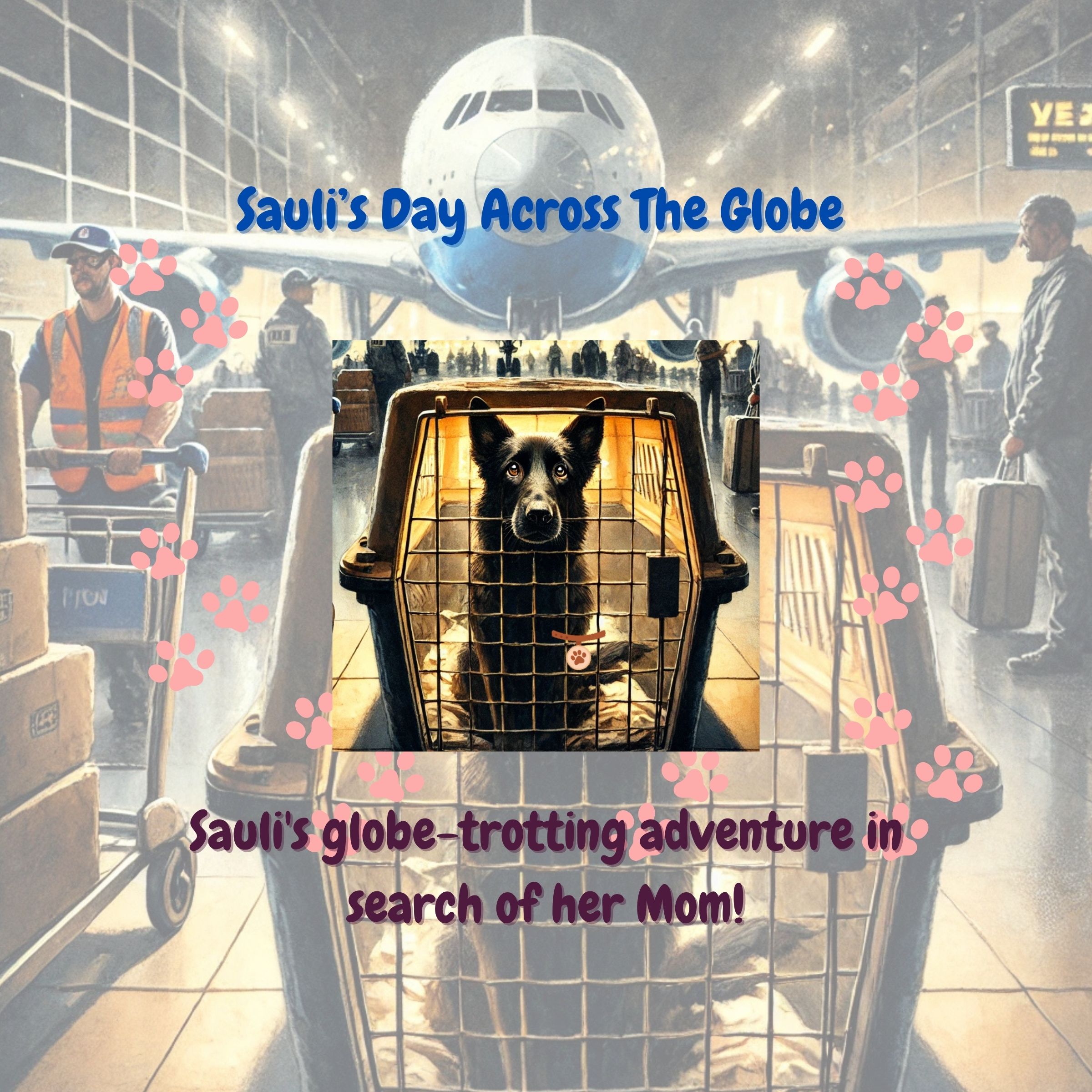
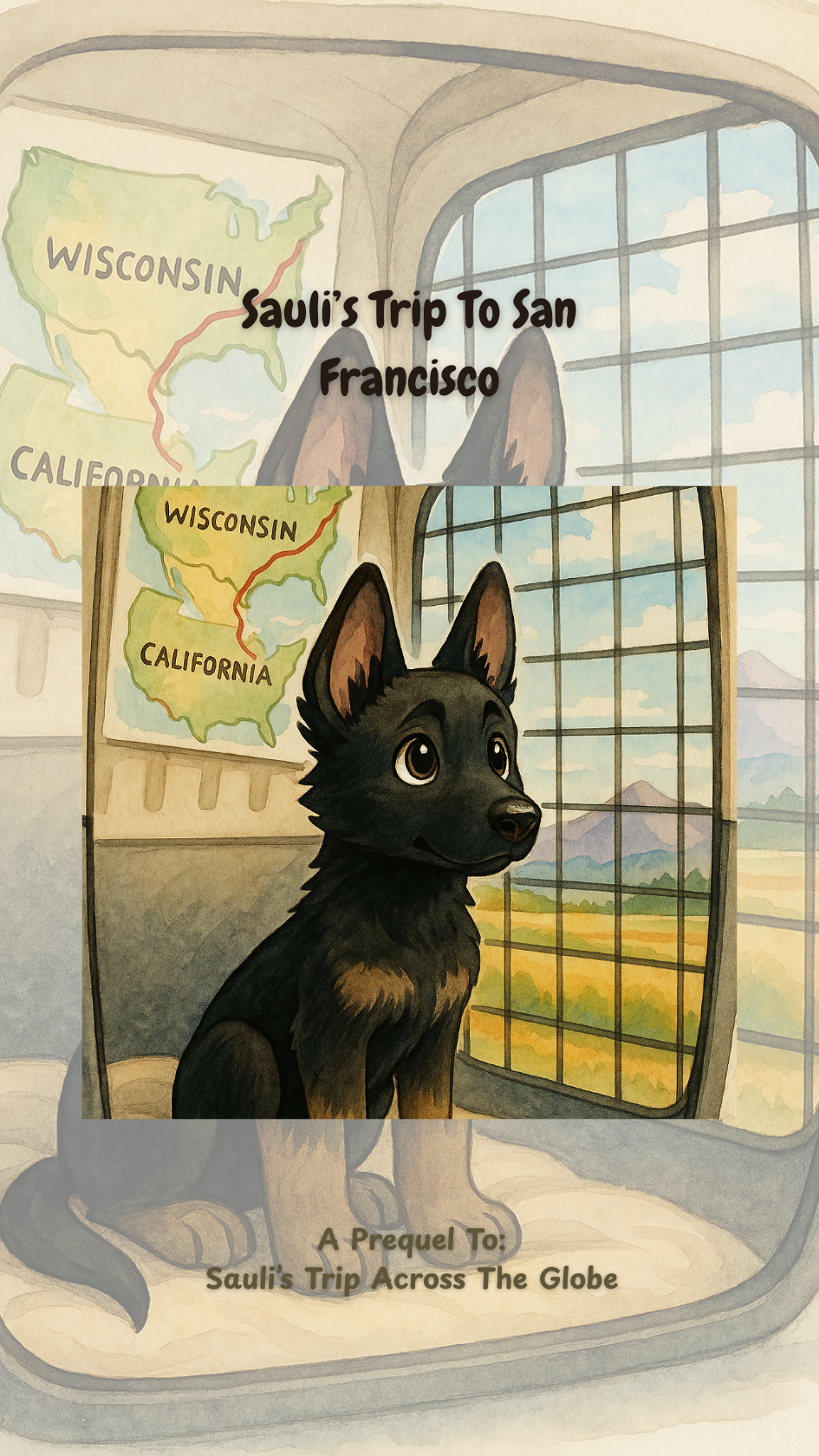
Yes to a rescue dog named Sauli.
Yes to the chaos she brought.
Yes to the life that unraveled (and rebuilt itself) because of her.
When I first met Sauli, she wasn’t the picture of a calm, adoptable pup. She was a blur of energy—sharp, stubborn, wild-hearted. The first weekend we spent together, she nearly tore apart a hotel room and escaped twice. It was, quite literally, a disaster.
But somewhere in that storm, I found something I didn’t even know I was missing—a sense of aliveness, of responsibility, of connection.
She made me show up. Every single day. No excuses.
What started as a rescue story turned into a companionship I never expected—and eventually, a book series: The Adventures of Sauli the Rescue Pup.
Through every escape, every moment of mayhem, and every quiet night where she finally fell asleep beside me, I realized this was more than just about having a dog. It was about choosing love over control, patience over frustration, and joy over perfection.
That’s what I’m most proud of.
Not that I rescued her—but that she rescued me right back.
🐾 Sauli and the Great Escape
Book 3 of The Adventures of Sauli the Rescue Pup is now available on Amazon.
A personal reflection and a love letter to my readers
If you’ve been wondering what I’ve been quietly piecing together in the late hours of the night, between cups of tea and half-finished journal entries — it’s this: Fever Dreams.
For months now, my mind has been a carousel of words, emotions, and half-remembered feelings. The kind that tug at you long after a conversation ends, or when a song unexpectedly takes you back to a moment you thought you’d forgotten. Fever Dreams was born from that space — from the ache of memories that never truly leave and the beauty of learning to live with them.
The Heart Behind the Story
Fever Dreams isn’t a story about perfect love.
It’s about love that changes you.
It’s about the kind of connection that finds you when you’re not looking for it — when your guard is up, when your world feels out of balance — and somehow still manages to leave a mark. It’s about two people, Mira and Dev, whose paths cross at exactly the wrong time, and yet, in that fleeting overlap, something profound happens.
Their love isn’t tidy. It doesn’t follow the rhythm of romantic clichés. It burns, softens, fades, and lingers — like the afterglow of a sunset you didn’t realize was the last one you’d see together.
At its core, Fever Dreams is a story about timing, connection, and letting go — and how those three things often dance together in the strangest, most beautiful ways.
Why I Wrote It
I wrote Fever Dreams because I wanted to explore the quiet kind of heartbreak — the kind that doesn’t come with dramatic goodbyes or explosive endings, but rather the slow, unspoken drifting apart that happens when life, distance, or timing simply get in the way.
It’s the kind of story you live through once and never quite forget. The kind you carry with you, tucked somewhere between nostalgia and peace.
Like many of us, I’ve held on to people who were never meant to stay. I’ve replayed conversations, reread old messages, and tried to find meaning in the endings that never made sense. Writing Fever Dreams was my way of making peace with all of that — of transforming what once felt like loss into something softer, something healing.
What Makes This Story Different
In Fever Dreams, the romance isn’t the destination. It’s the journey.
The story doesn’t end with forever — it ends with understanding.
Through Mira’s introspection and Dev’s quiet resilience, the story explores what it means to love deeply without possession, to find beauty in impermanence, and to carry someone’s memory not as a wound, but as a quiet echo of gratitude.
It’s a story for the thinkers, the dreamers, the ones who feel too deeply and write too much.
For the ones who believe that every connection, no matter how brief, has a purpose.
A Glimpse Inside the Pages
“She didn’t want to forget him. She just wanted to remember without pain.”
“Some people arrive like seasons — beautiful, necessary, but never meant to stay.”
“He was logic and chaos in one body, a soldier who wrote poetry between missions.”
The book moves like a dream — part memory, part reflection.
It’s slow, emotional, poetic. Every chapter feels like opening a journal Mira might have written herself — soft, honest, and quietly powerful.
Who I Wrote It For
I wrote this for anyone who’s ever had to let go without closure.
For the ones who still remember the sound of someone’s laughter,
the warmth of a conversation that ended too soon.
For those who have loved deeply and lost quietly,
and who are learning that healing isn’t forgetting — it’s remembering differently.
If you’ve ever sat by a window and wondered what if, this story is for you.
Where I Am Now
I think the most beautiful part of writing Fever Dreams has been realizing that stories don’t always need happy endings to be meaningful. Sometimes, they just need to be honest.
Working on this book has taught me patience, vulnerability, and acceptance — not just in writing, but in life. And as I finally share it with you, I hope you find pieces of yourself in its pages.
Because Fever Dreams isn’t just my story.
It’s ours — every one of us who has loved, lost, and learned to let go with grace.
🌙 Fever Dreams is now available to read on Wattpad.
Come wander through the haze — where love feels like memory, and memory feels like a dream.
Most people who meet me now think I have it all figured out.
I write. I tell stories about life and choices and, yes, potholes — both metaphorical and the ones outside my lane in Mumbai. I have this calm, almost “zen” way of talking about chaos, like I’ve somehow transcended it.
But here’s what most people don’t know about me:
I wasn’t always this centered.
In fact, for a good part of my life, I was running — literally and emotionally — from everything that made me who I am.
A few years ago, I was living in San Francisco. I had a “respectable” job in tech, the kind that made my LinkedIn sparkle. My friends thought I was living the dream: a high-rise apartment, brunches on weekends, a passport full of stamps.
And I believed it too — until the morning it all came crashing down.
A layoff email. A visa countdown clock.
Two suitcases and a future that suddenly didn’t exist.
Most people don’t know that when I landed back in Mumbai, I didn’t even know how to explain what I did anymore. My father, a retired civil engineer, looked at me blankly when I said I worked in “data storytelling.”
“Storytelling?” he repeated, frowning.
“Engineers build bridges, not bedtime stories.”
And I remember thinking — if only he knew how many bridges I’ve been trying to build all my life.
Coming home after years abroad felt like stepping into a time capsule that no longer fit.
My room had been repurposed.
The city smelled like ambition and exhaust.
And I — I just smelled like jet lag and confusion.
There was this one evening when I found myself standing in the balcony, watching the rain beat down on the tin roof. My parents were arguing over dinner logistics, the dog was barking at imaginary intruders, and I — I was just wondering who I had become.
Was I still the girl who coded her way through Silicon Valley? Or the woman who now spent afternoons writing about life and spirituality while battling an existential headache?
That’s when I started to write again — not because I wanted to, but because I needed to.
Most people don’t know that my writing began as therapy.
Pages filled with rants, questions, unfinished prayers.
About love that didn’t work out. Jobs that didn’t last. Friendships that faded somewhere between time zones and WhatsApp silence.
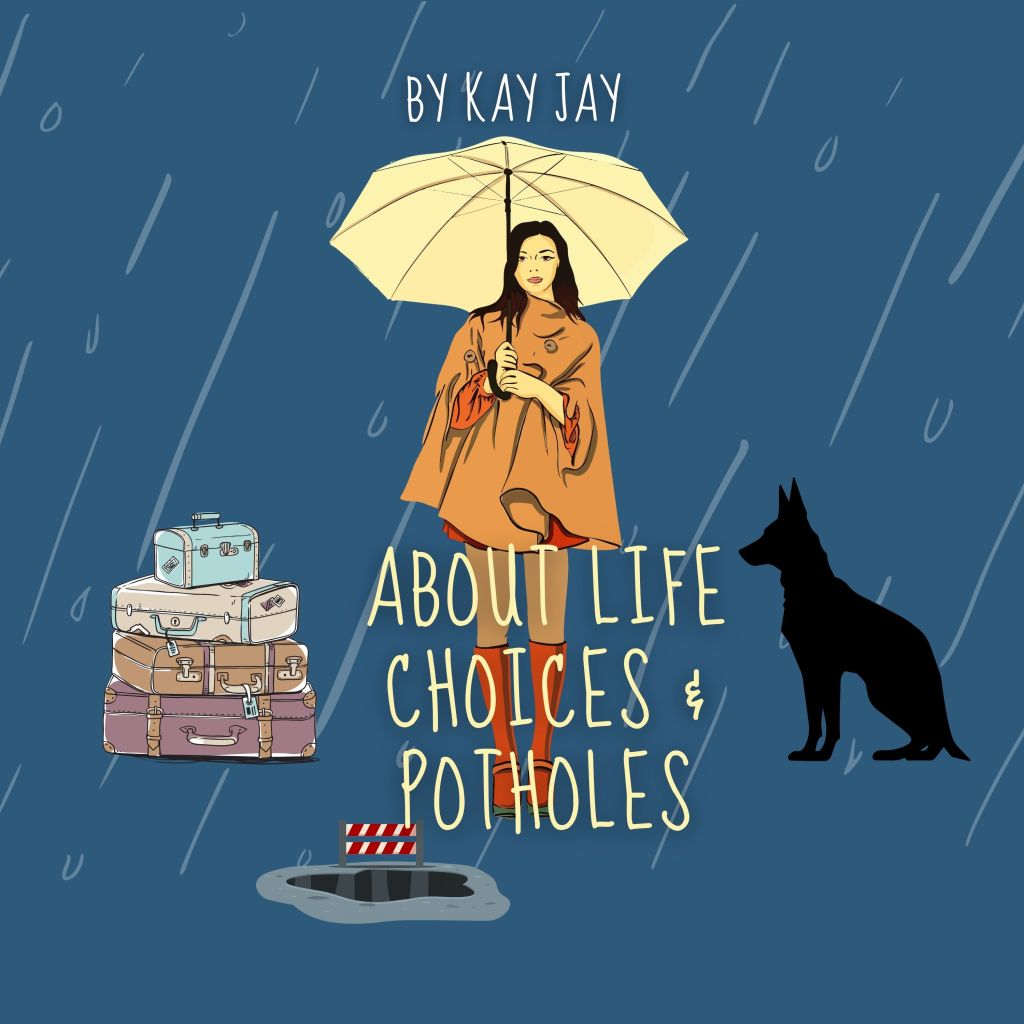
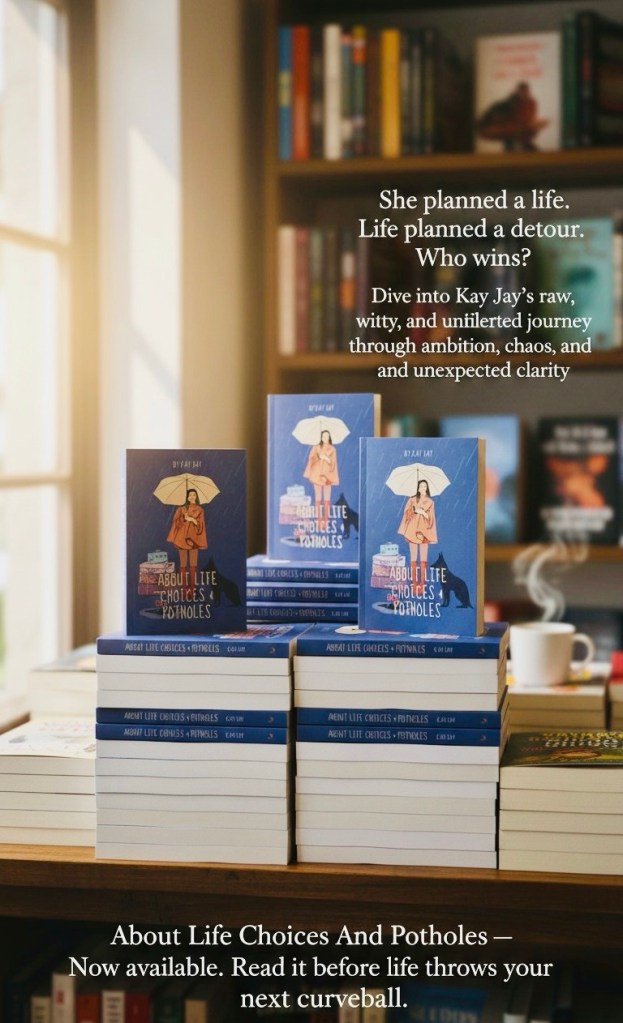
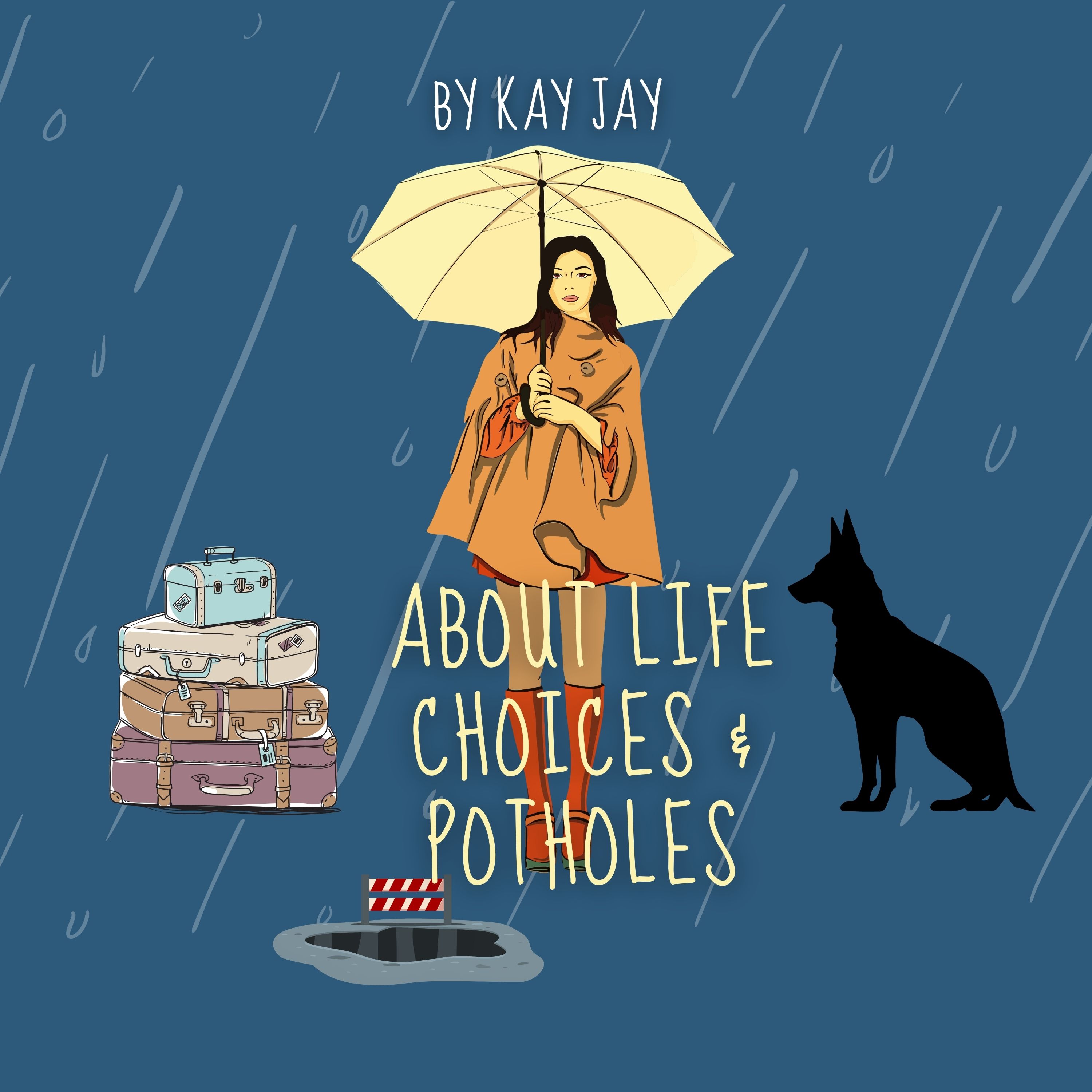
Eventually, these fragments turned into reflections — and those reflections became my book, About Life Choices and Potholes.
It wasn’t meant to be a “self-help” book or a memoir of triumphs. It was simply a map — of detours, delays, heartbreaks, and small miracles — that somehow all pointed home.
People assume transformation happens in grand moments — a new city, a new career, a big “aha.”
But mine happened quietly.
It happened in the kitchen when I first learned to make vegetarian soup in a house full of meat lovers.
It happened on the road, stuck in traffic, where I realized that potholes make better philosophers than podcasts.
It happened in the silence between my father’s sighs and my mother’s gentle, resigned wisdom.
And most of all, it happened in the messy middle — between ambition and surrender, logic and faith.
Most people don’t know that I used to measure my worth by my output — how much I produced, achieved, accomplished.
Now, I measure it by how much peace I can hold while doing nothing.
It’s funny, isn’t it?
The same people who once asked, “So, what do you do?” now ask, “How did you find this calm?”
And I tell them the truth — it wasn’t through success.
It was through stumbling.
Through falling face-first into life’s potholes, and realizing that every time I stood up again, I was someone new.
There’s a chapter in my book about the absurdity of career reinvention — about applying to Google one month and selling holistic herbs on Amazon the next.
At the time, it felt like failure.
Now I see it as freedom.
Most people don’t know that the version of me they see today — the writer, the “philosophical” one, the dog mom with spiritual metaphors — was born out of pure chaos.
And maybe that’s the point.
You don’t find yourself in the perfect plan — you lose yourself enough times that you finally stop pretending to be someone else.
So what most people don’t know about me is this:
I’m not a success story.
I’m a survival story.
A collection of missed exits, unplanned detours, and potholes that showed me who I was when everything else fell apart.
And if there’s one thing I’ve learned — it’s that maybe we’re all just trying to write our own versions of “home.”
Sometimes it’s a place.
Sometimes it’s a page.
And sometimes, it’s the person we become after all the plans fail.
💭 If you’ve ever found yourself between destinations — in your career, relationships, or identity — my book “About Life Choices and Potholes” might just feel like the conversation you’ve been needing.


 Kay’s Odyssey