
What makes a teacher great?
I’ve spent the better part of my life watching teachers, becoming one, resisting the label, then finally surrendering to it with a nod of grace. I used to think great teachers were born in classrooms, standing at a podium with a chalk in one hand and a world of wisdom in the other. Now, I know better.
A great teacher, I’ve come to believe, isn’t someone who knows it all—but someone who knows how to stay curious. Someone who teaches not from a pedestal but from the trenches of their own lived experience. Someone who admits they too have potholes, detours, and doubts—and that the syllabus they teach is written, not in ink, but in mud, laughter, and late-night journal entries.
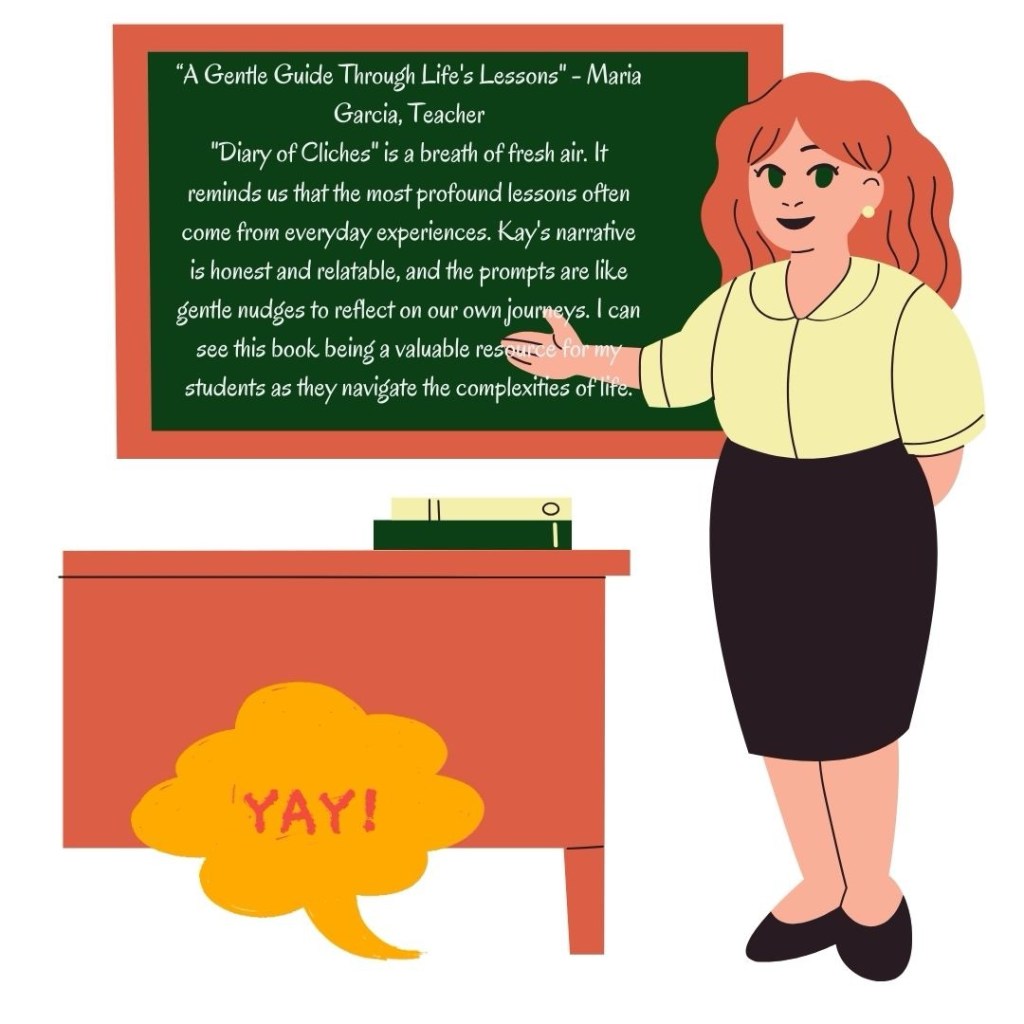
That’s how I began writing Diary of Clichés—as a kind of curriculum for the emotionally brave. Because sometimes the best teachers are not the ones in schools or seminar rooms, but the ones who sit across from you with a cup of coffee, or write books that hold up a mirror and whisper, “You too?”
I don’t believe in perfection. Never have. I believe in vulnerability. I believe in showing up, even when the lesson plan is incomplete. I believe in asking the hard questions—even if the answers are uncomfortable. Especially when they are. I believe in learning aloud, in failing forward, and in inviting others to join the journey—not when you’ve figured it all out, but when you haven’t.
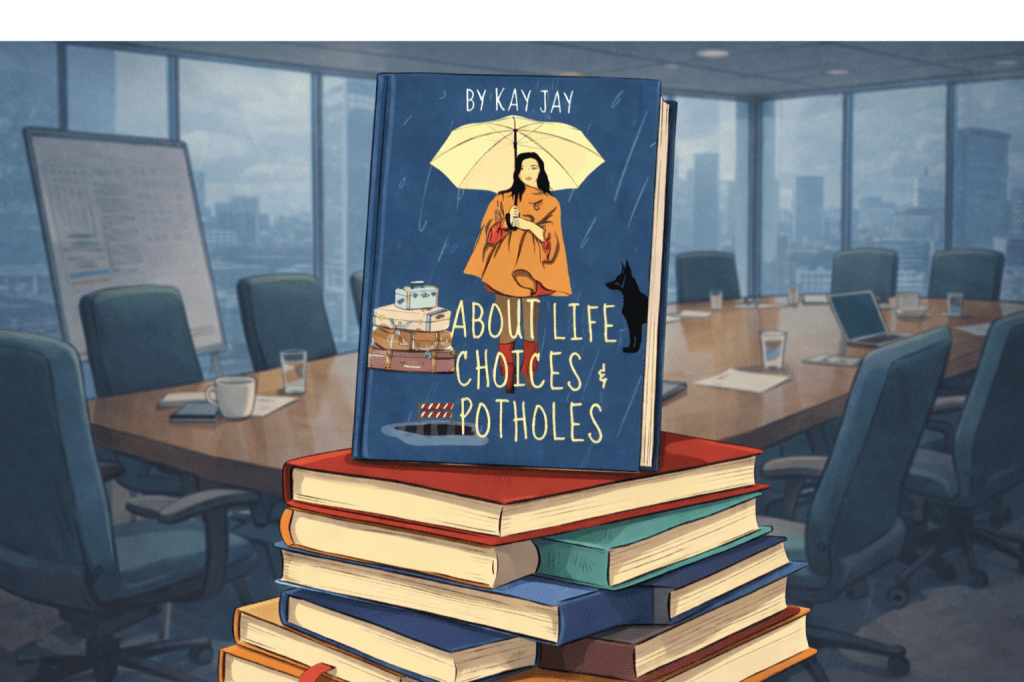
That’s what Life Choices & Potholes is all about. It’s the textbook I wish I had when I was stumbling through crossroads, unsure of whether to listen to logic, intuition, or the girl inside me still learning how to speak. That book, and others like it, are my offering. Not because I claim to have all the answers—but because I’ve finally stopped pretending that I do.
A great teacher listens before they lecture. Holds space before they hand out solutions. And sometimes, a great teacher just asks the right question at the right moment and lets the silence do the rest.
So what makes a teacher great? Maybe it’s this: the willingness to show up fully human, to love people into their potential, and to remind them—gently, consistently, quietly—that their story matters.
That they matter.
And that maybe, just maybe, their mess is the message someone else has been waiting for.



 Kay’s Odyssey
Leave a comment