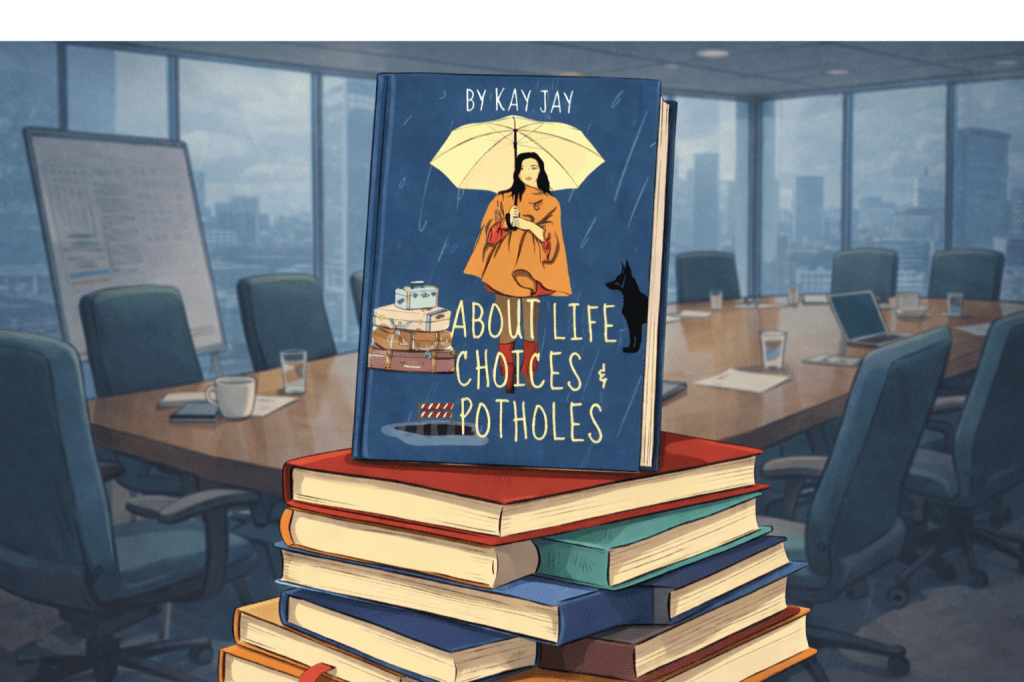


A good leader isn’t the loudest voice in the room. It’s the one that stays steady when the room gets noisy.
I didn’t learn this in a leadership workshop or from a glossy business book. I learned it the slow way—through moments that felt anything but instructional at the time. Moments of uncertainty, exhaustion, reinvention, and the quiet reckoning that comes when the rules you thought were fixed suddenly change overnight.
For a long time, I believed leadership meant endurance. That if I just worked harder, stayed sharper, said yes more often, and pushed through discomfort, everything else would fall into place. This belief was rewarded—until it wasn’t. The higher I climbed, the more invisible the cracks became. Burnout doesn’t announce itself with drama. It seeps in quietly, turning decisiveness into hesitation and confidence into fatigue. I learned quickly that burnout isn’t a personal failure; it’s a leadership problem—because it spreads. A tired leader doesn’t just suffer alone. The exhaustion ripples outward.
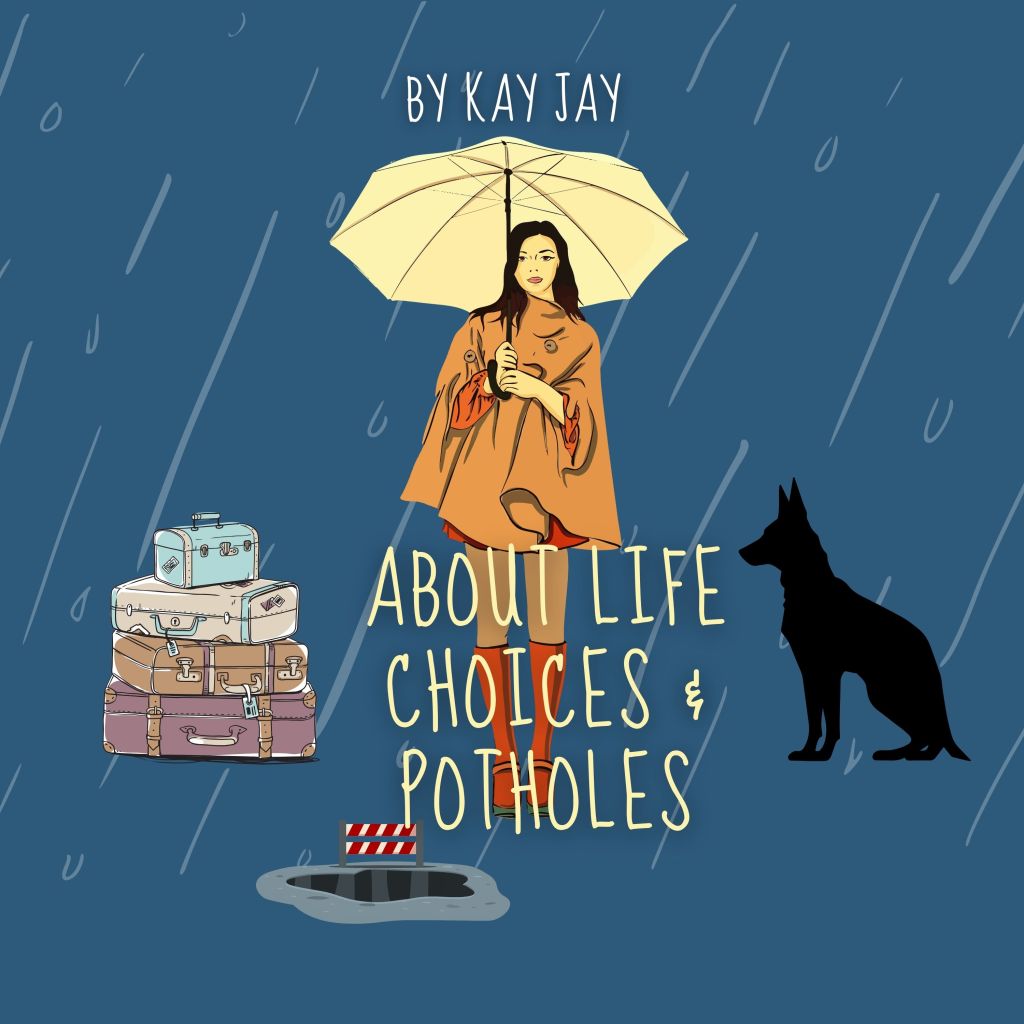
In About Life Choices & Potholes, leadership appears not as authority, but as responsibility—to oneself first, and then to others. One of the hardest lessons I had to learn was when to pause instead of push. In professional spaces, momentum is worshipped. Pausing is often misread as weakness. But there were moments when stopping—taking stock, admitting I didn’t have all the answers—was the most honest form of leadership I could offer.
Some of my most defining leadership moments came when information was incomplete. When decisions had to be made without certainty—during visa upheavals, career disruptions, and organizational changes that offered no clear playbook. I learned that leadership is rarely about making the right decision. It’s about making a thoughtful one, standing by it, and being willing to course-correct without ego.
I also learned how easily “being dependable” can turn into self-erasure. I was often the one holding space—for teams, for friends, for family—believing that leadership meant being endlessly available. Over time, I realized that holding space for others while abandoning yourself is not leadership; it’s slow attrition. A leader who disappears internally cannot show up fully for anyone else.
The leaders who stayed with me—who shaped how I now think about work and life—were not the ones with the most polished answers. They were the ones who listened before reacting. Who acknowledged uncertainty instead of masking it. Who understood that clarity is far more powerful than control.
Leadership today exists in a landscape of constant change. Policies shift. Markets move. Personal lives intersect with professional demands in ways we can no longer pretend are separate. In this environment, certainty is an illusion. The strongest leaders I know don’t pretend the road is smooth. They walk alongside their teams, naming the potholes as they appear and trusting people enough to navigate them together.
A good leader doesn’t promise ease. They offer steadiness.
They don’t dominate the room. They anchor it.
And perhaps most importantly, they understand that leadership is not about having all the answers—it’s about creating enough trust that people are willing to walk with you, even when the path ahead is unclear.




 Kay’s Odyssey
Leave a comment