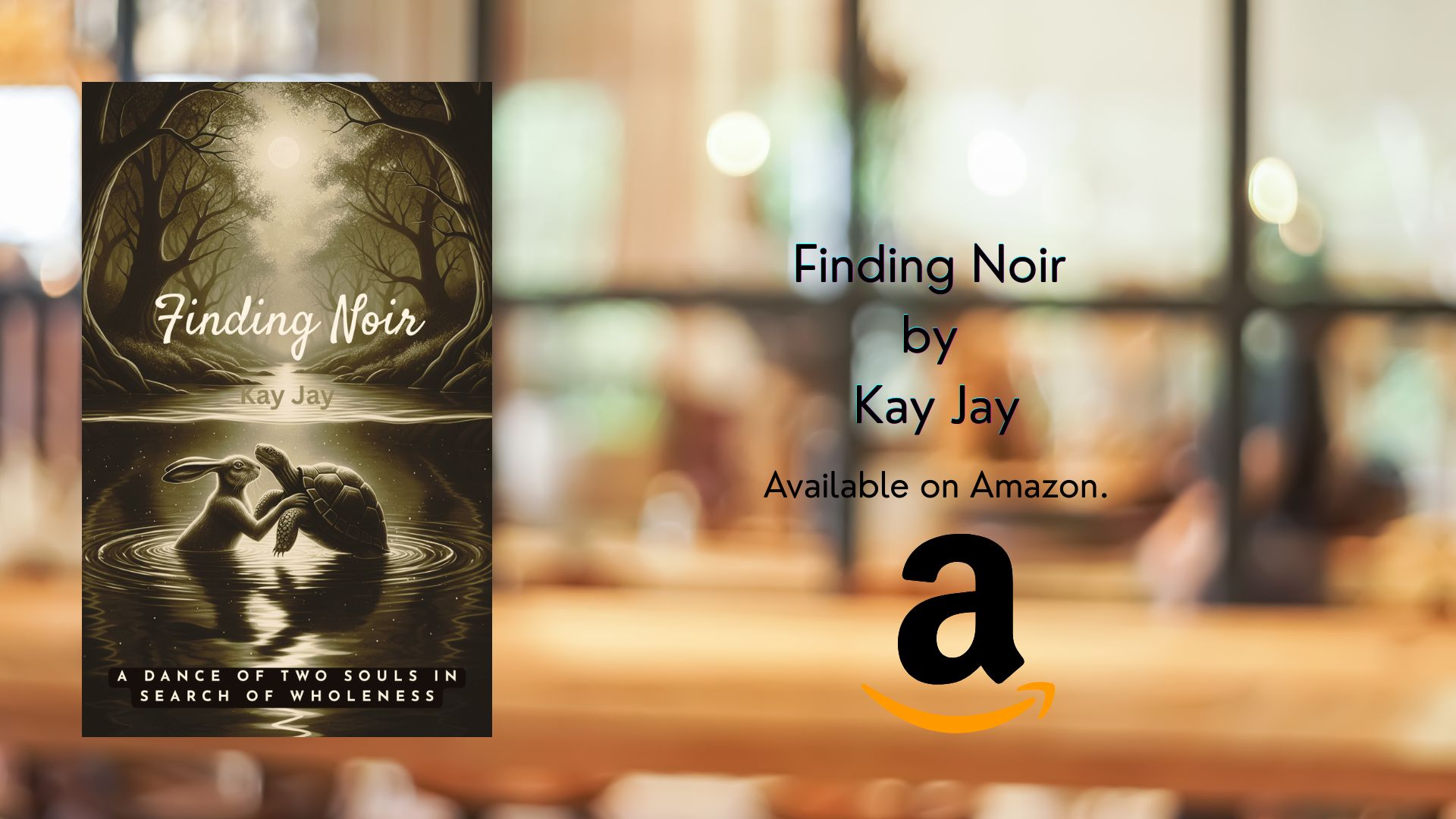
Finding Noir by Kay Jay
I remember the exact moment I realized nothing was going to happen. There was no dramatic explosion, no grand cinematic goodbye—just the quiet violence of unanswered messages and a body that understood the truth long before my mind was willing to admit it: this is it. In the wake of such silence, we often find ourselves obsessed with the concept of closure, that seductive idea that love is a chessboard where, if we only moved the right piece, the ending might change.
We replay every sentence, every pause, and every “almost,” wondering if being softer, braver, or less intense would have yielded a different outcome. But we are editing ourselves for a resolution that was never actually available.
The Illusion of Resolution
In our modern narrative of intimacy, we have been taught to measure the legitimacy of a connection by its outcomes: longevity, commitment, and return. We believe that if a story doesn’t end in a “forever,” it is somehow a failure. However, my work, Finding Noir, refuses to offer that kind of closure. It refuses to orient itself toward resolution because some connections are not meant to soothe or stabilize us; they are meant to destabilize.
They arrive to rearrange the internal furniture of our lives. These are the encounters that lived vividly in the interior world while failing spectacularly in the physical one. When we chase closure, we are often just looking for a way to put the story away, to consume it and be done with it. But some stories don’t want to be finished—they want to be recognized.
Love as a Mirror, Not a Promise
The shift from seeking closure to seeking recognition requires treating love as a mirror rather than a promise. A mirror does not offer you a future; it offers you a reflective surface that shows you not who the other person is, but who you become in their presence. It exposes what you mistake for destiny when it is, in fact, revelation.
Recognition is the “somatic” understanding that your nervous system may confuse activation with intimacy. It is the rigorous, often uncomfortable inquiry into what parts of ourselves we are trying to reclaim through another person. While closure seeks to shut the door, recognition keeps the eyes open to the patterns—the unhealed hunger that dresses itself up as fate or the longing that borrows the language of spirituality.
The Strength of Standing Still
For the character of Kayra, the path to healing wasn’t about Noir returning to provide closure; it was about the active cessation of her need for external validation. Her stillness was not a passive wait for a happy ending, but a conscious break from the addictive urge to find completeness in another.
We must be brave enough to ask: What if you didn’t do anything wrong? What if you were simply brave enough to feel everything? Sometimes, the only thing you could have done differently was leave the story earlier—before it taught you everything it came to teach.
When we choose recognition over closure, we accept that some encounters are not meant to last because their purpose is not companionship, but consciousness. They arrive to interrupt us, to break down the architecture of who we think we are, so that something truer has a chance to emerge. Recognition doesn’t give you the person back, but it gives you yourself back—and that is the only ending that truly matters.





Leave a Reply