
I have never quite understood why we ask people how long a book is. How many pages? How many words? How many chapters? It makes reading sound like an endurance sport, as though there is a finish line at the end and someone is waiting with a stopwatch to congratulate you for surviving 847 pages.
I have read some very long books. The kind that require commitment, a reliable bookmark and a reasonably stable life. The kind you carry around for weeks, occasionally wondering whether you are reading the book or the book is slowly taking over your life.
But these days, I am less interested in how long a book is than in how long it stays with me.
Some books disappear as soon as you finish them. Others follow you for years. You remember a character, a sentence, a feeling, or simply the strange coincidence of having encountered that story at exactly the right moment in your life.
Some books don’t really end when you close them.
They continue unfolding somewhere inside you.
Perhaps that is why I became a writer.
I didn’t begin with a grand plan to write dozens of books. I began with questions. Life had a rather annoying habit of putting me in situations I didn’t understand and then expecting me to behave like a fully functioning adult.
I spent years building a career in technology and data science, living in America and doing what sensible people are encouraged to do: work hard, build a profession and create a life. Then life decided to rearrange the furniture.
A career ended. Immigration became complicated. India began pulling me home.
Returning to Mumbai after so many years was hardly a cinematic homecoming. There was missing luggage at the airport, a rented family home because the old one was caught up in redevelopment, parents, paperwork, visas, phone calls and a ridiculous number of decisions that seemed to produce even more decisions.
And then there was Mumbai itself, which has a remarkable ability to make you question every decision you have ever made while simultaneously making you grateful that you are here.
I started writing about that experience because I was trying to understand it. That became About Life Choices & Potholes, a book about careers, immigration, family, relationships and the unsettling business of starting over when the life you carefully constructed no longer fits quite the way it used to.
Writing it taught me something I would keep discovering in different forms: I wasn’t particularly interested in giving people neat answers. I was interested in what happens when there aren’t any.
That question eventually led me into the stories we tell ourselves about love and identity. We inherit so many rules about how life is supposed to work—follow your heart, know your worth, everything happens for a reason, if it’s meant to be, it will be. We repeat them often enough that they start sounding like wisdom.
I became curious about what happens when we stop repeating them and actually examine them.
Why do we tolerate things we would tell our best friend to walk away from? Why do boundaries make us feel guilty? Why do we sometimes confuse being wanted with being loved? How much of the person we think we are was actually chosen by us?
Those questions became Diary of Cliches, which grew beyond relationships into a book about self-discovery, expectations, boundaries and the stories we inherit about ourselves.
Then writing collided with the less romantic realities of being an author.
There is something wonderfully optimistic about spending months creating a book and imagining that readers are waiting somewhere to discover it. Then you publish it, look at your sales dashboard and discover that the world has apparently been busy doing other things.
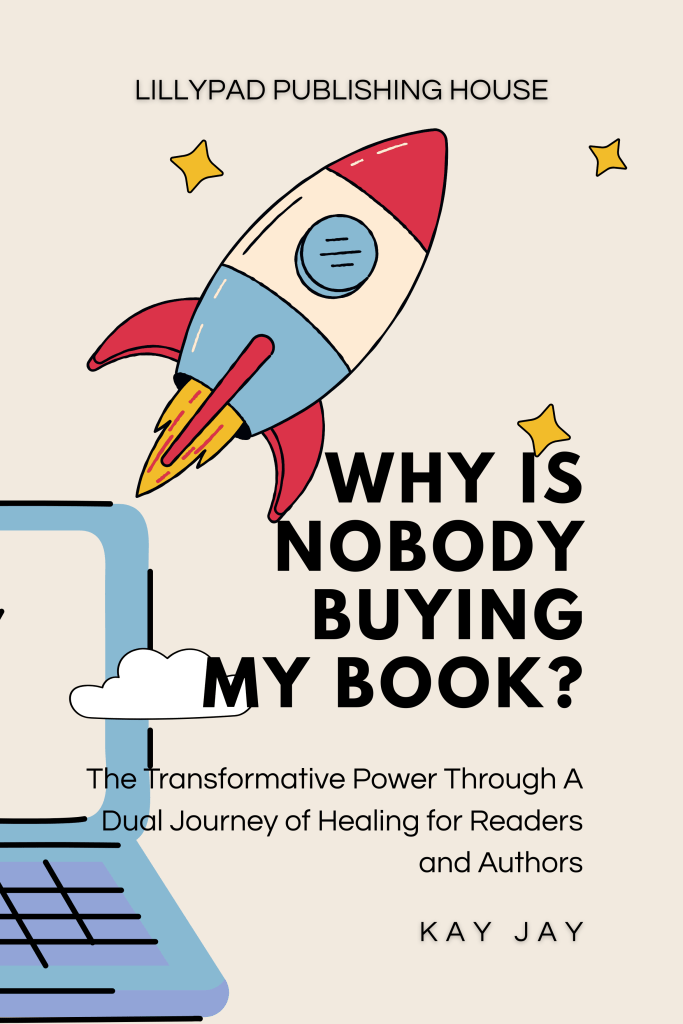
I eventually wrote Why Is Nobody Buying My Book?, because sometimes the most honest title is also the most embarrassing question.
That book led naturally into my interest in money, business, creativity and the uncomfortable gap between making something and making something work. I have written about those subjects because I have lived the uncertainty myself. Success looks very different when you are sitting on the other side of it, trying to figure out what to do next.
Somewhere along the way, fiction gave me another place to explore those questions.
Fever Dreams, Finding Noir and my Beautiful Men stories allowed me to step outside my own life and wander through love, longing, attraction, separation and the wonderfully irrational things human beings do when emotion gets involved. Fiction is useful that way. You can give a character a terrible decision and pretend you are merely observing human nature.
Then there were the dogs.
Dogs have a habit of completely disrupting literary ambition. You can spend an afternoon thinking about identity, grief and the meaning of human attachment, and then your dog looks at you because you have stopped throwing the ball. Suddenly your deepest philosophical concern is whether you have failed as a human being.
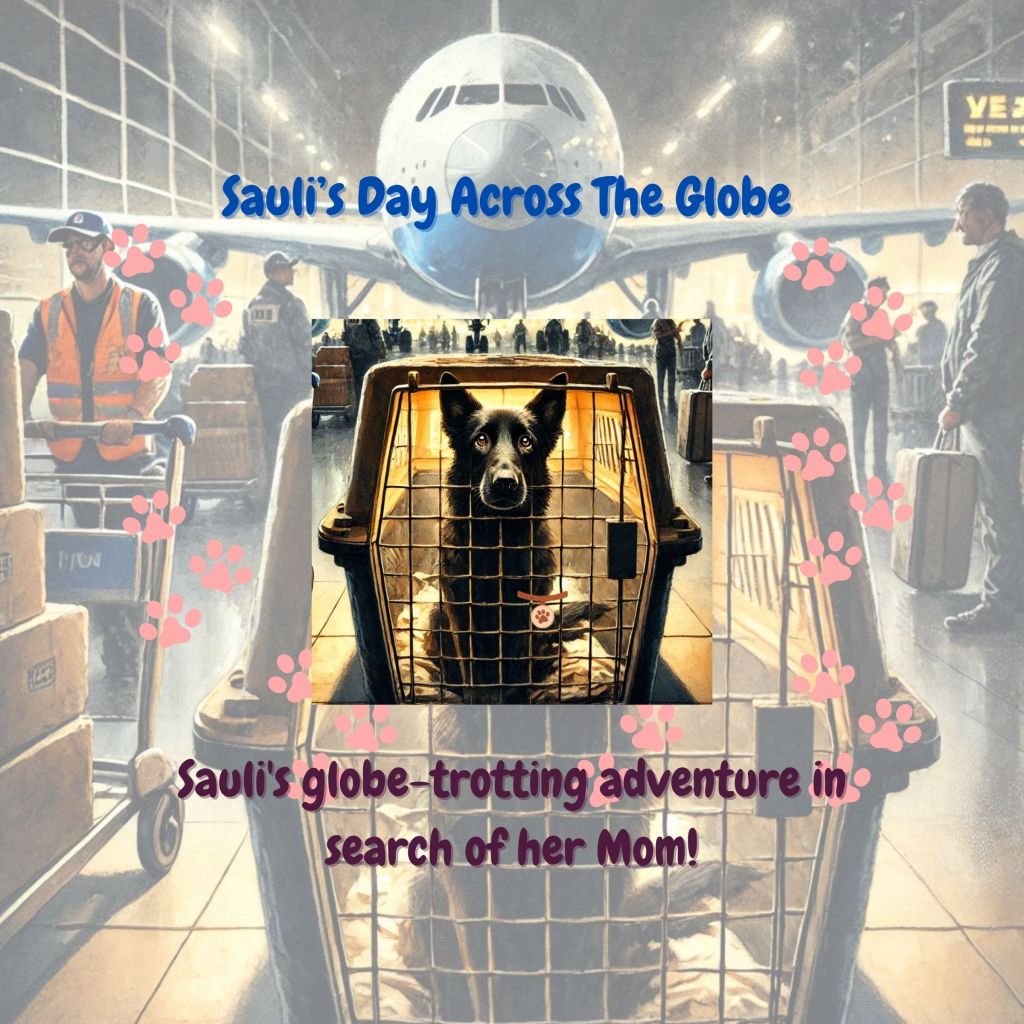
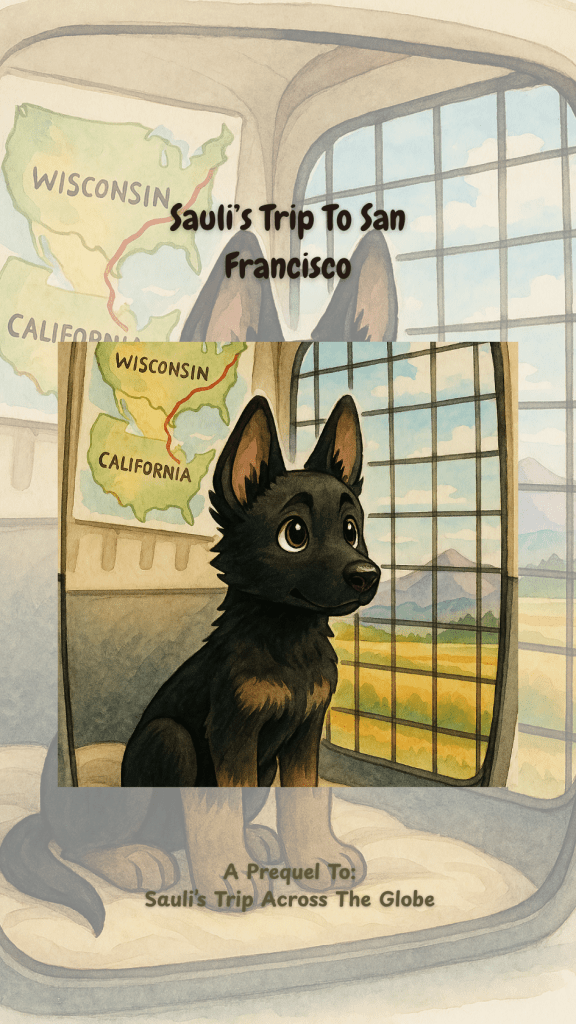
Romo taught me about loss. Sauli brought chaos, resilience and an extraordinary amount of personality into my life. She also gave me another world to write about, one involving rescue, animals, friendship and the peculiar wisdom of creatures who have never read a self-help book.
That became Adventures of Sauli the Rescue Pup, along with my other writing about dogs, food, Mother Earth and the everyday choices through which we decide what kind of lives we want to live. I have written in very different genres because I am curious about very different things, but when I look back at the books together, I see the same questions underneath them.
What do we do when the plan changes?
Who are we when the thing that defined us disappears?
How do we love without losing ourselves?
What does success mean when nobody else is handing us the definition?
How do we continue after loss?
And perhaps the biggest question of all: how do we make peace with not knowing?
That is the territory I keep returning to.
The books may look unrelated from the outside. A memoir about returning to Mumbai, a book about clichés and self-discovery, an honest look at publishing, fiction about complicated relationships, stories about rescue dogs, and books about food, business and the planet don’t exactly form an obvious shelf.
But from the inside, they feel like one long conversation.
I am still trying to understand the same messy business of being human. I simply keep approaching it from different directions.
Perhaps that is why the question about the longest book makes me think about something other than pages.
The longest book any of us ever reads is our own life.
It begins before we understand the language. Our parents, families, cultures, teachers, and circumstances write the early chapters for us. Eventually, we begin picking up the pen ourselves.
Some chapters make us proud. Some embarrass us. Some contain people we were convinced would stay until the final page. Others contain people who appeared briefly but changed the direction of the entire story.
There are chapters we would happily rewrite. There are others we wouldn’t touch because, painful as they were, they made us who we became.
And then there are the pages we haven’t written yet.
Mine are still being written.
Maybe that is why I keep writing books. Each one gives me another way to sit with a question, make sense of an experience, or simply explore something that won’t leave me alone.
So, what is the longest book I have ever read?
It isn’t sitting on my bookshelf.
It is the one I am still living.
It has no page numbers, no table of contents and no guarantee of a satisfying ending. Unfortunately, there is also no option to skip the boring chapters.
But I have finally learned that I don’t need to know how the story ends before I turn the page.


Leave a Reply