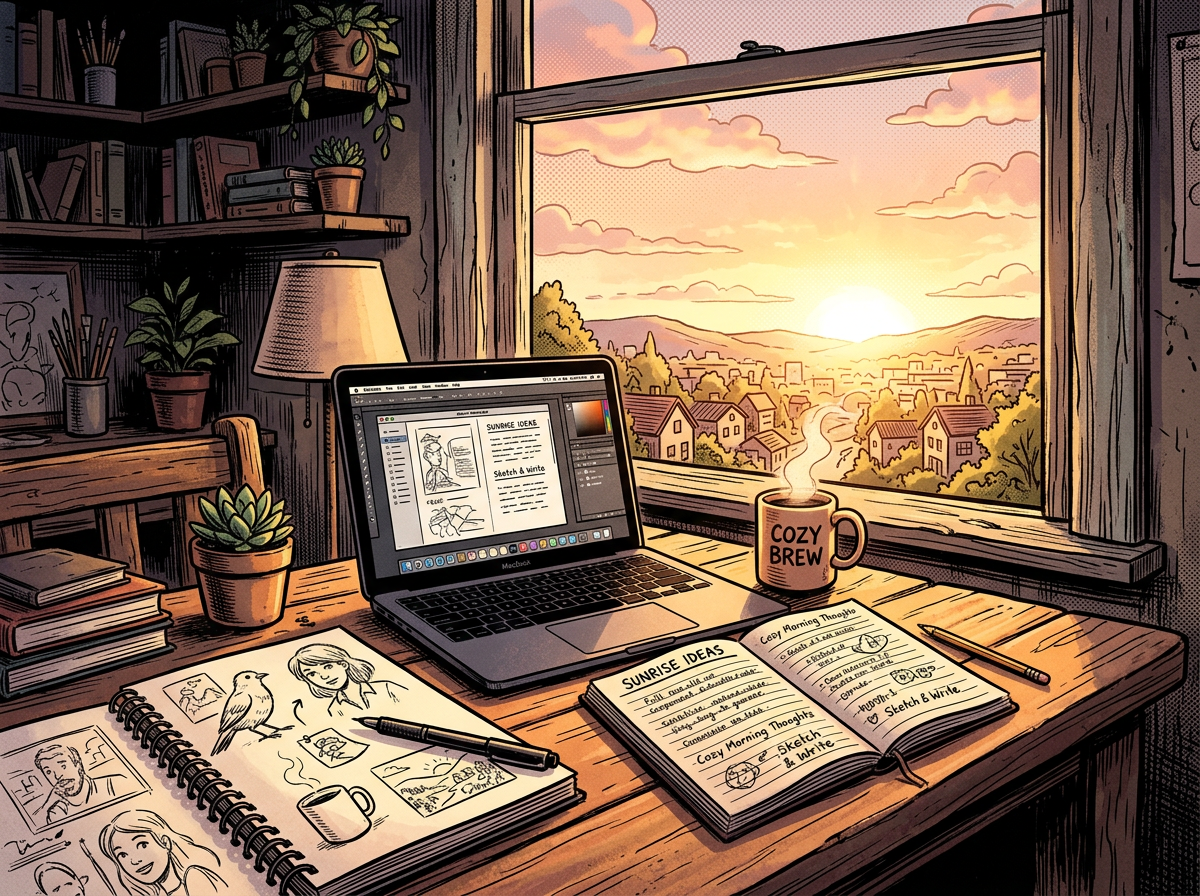
Why I Stopped Waiting for “Perfect” to Start Creating
We all have that one project. You know the one—it’s that idea you keep tucked away in a notebook or a messy folder on your desktop, waiting for a “better time.” For me, it was a children’s book idea. For years, I told myself that once I had the budget to hire a professional illustrator or the time to master complex design software, I’d finally bring that story to life.
But “someday” is a dangerous place to live.
The turning point for me wasn’t a sudden influx of cash or a miracle of free time. It was the realization that the barrier to entry I had built in my mind was mostly an illusion. We are living in a moment where the tools to create are more accessible than they have ever been, yet we often let the intimidating nature of a project stop us from even the first draft.
The Shift from “Consumer” to “Creator”
When I started looking into how to actually build a book, I realized the technical side—writing the narrative, designing the characters, and prepping for print—could be simplified into a repeatable, manageable process. I stopped focusing on the “impossible” parts of professional publishing and started focusing on the workflow.
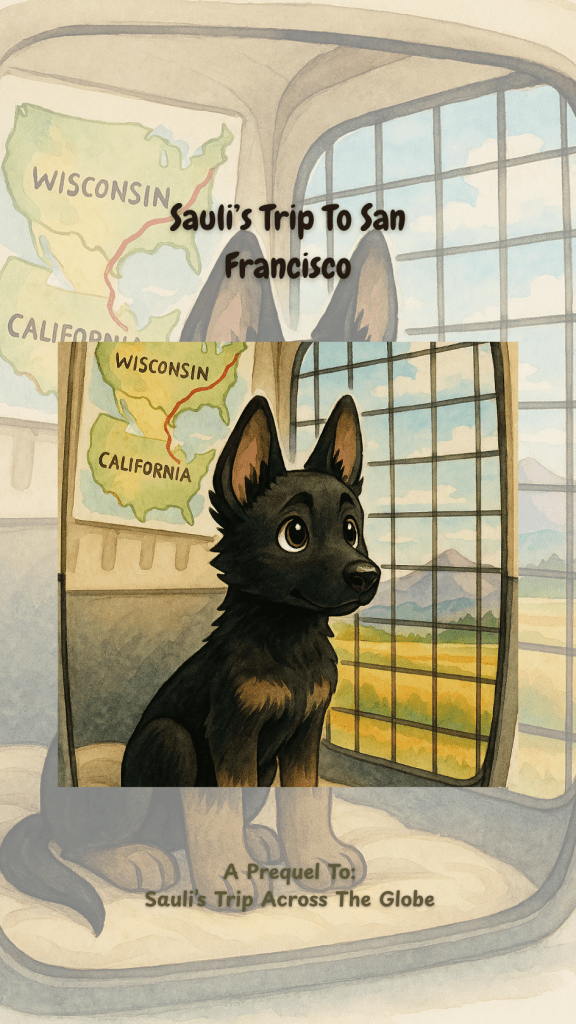
I found that by using simple, accessible tools like ChatGPT, I could iterate on ideas in real-time. I could refine my tone, fix plot holes, and maintain visual consistency in ways that felt like magic, but were really just the result of a solid, step-by-step system.
Why I’m Sharing This
If you’ve been following my journey here, you know I’m a big believer in getting ideas out of your head and into the world. It’s messy, it’s vulnerable, and it’s incredibly rewarding.
I don’t want your story to stay a “someday” project. That is exactly why I put together my step-by-step system for creating a children’s book. It’s the guide I wish I had when I was first staring at a blank page, feeling overwhelmed by the technical hurdles.
It covers everything from:
- The “Brainstorming” phase: Turning a vague concept into a concrete, 24-page narrative.
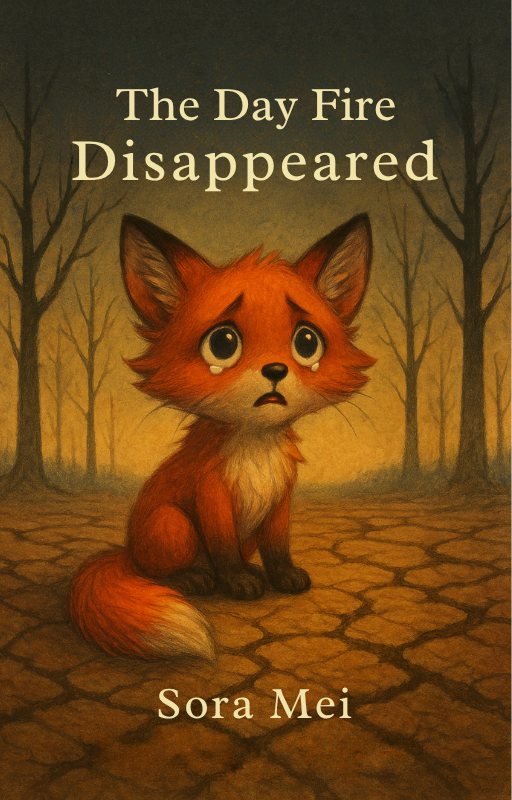
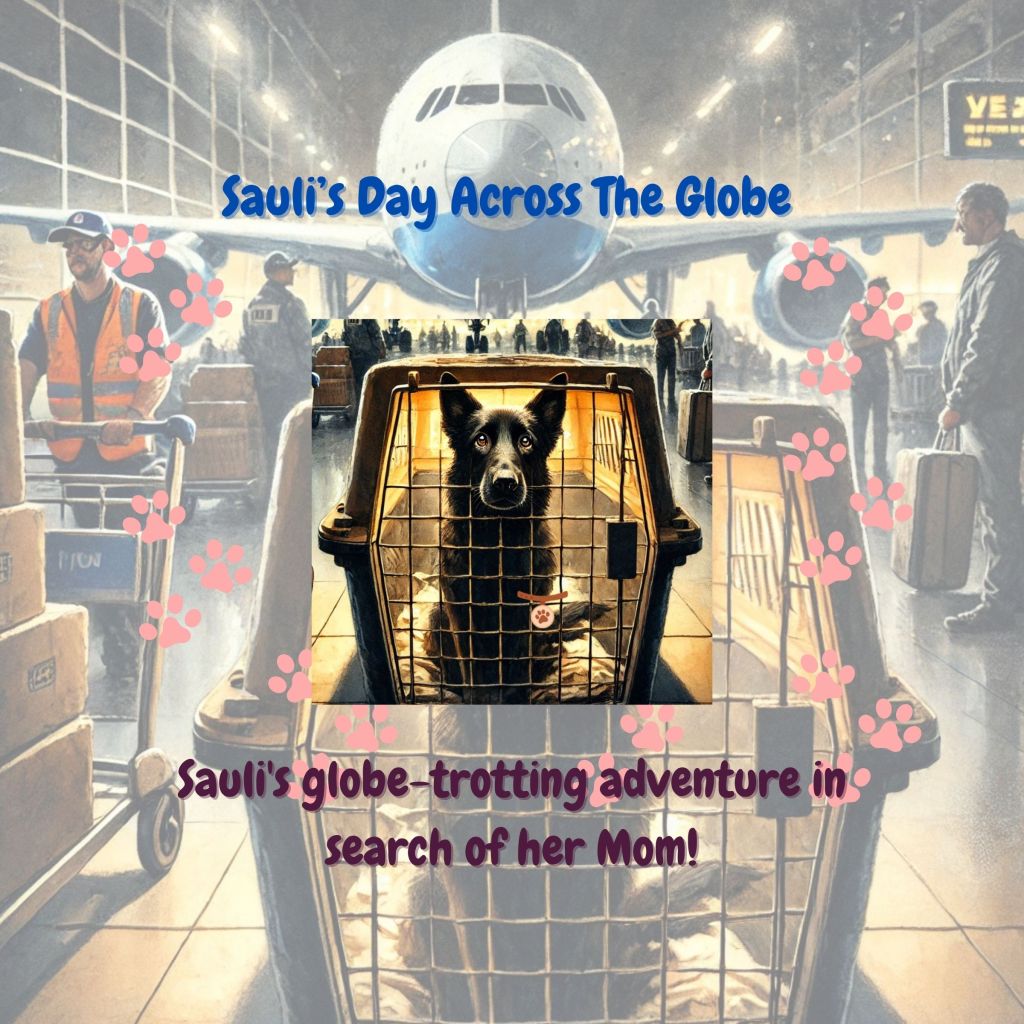
- The “Visual” phase: How to keep your characters consistent (the “DNA” of your book) across every illustration.
- The “Publication” phase: The no-nonsense approach to getting your book ready for the world.
Your Turn
You don’t need permission to start. You don’t need an illustrator, a publisher, or a professional degree. You just need a little bit of curiosity and the willingness to learn a new workflow.
If you’re ready to finally close that notebook and open a published book, check out the full system here.
I can’t wait to see what you create.



Leave a Reply