
For years, I believed that if my life hit a deep enough pothole, the only way out was a radical, cinematic pivot. When the “thunderbolt” of a corporate layoff shattered my Silicon Valley identity, I didn’t just want a new job; I wanted a completely new soul. I stepped into an “existential abyss” where my worth, previously measured by “KPIs and quarterly goals,” had vanished overnight. My immediate instinct was to perform a 180-degree turn, attempting to leap from high-level data strategy to selling holistic herbs on Amazon or hand-pouring artisanal candles. But as I navigated the “messy middle” of this transition, I realized why these radical pivots often fail: they are frequently a desperate attempt to satisfy someone else’s definition of success rather than our own.
My pivot into “tangible” businesses was largely fueled by my father, a mechanical engineer who dismissed software as “digital nonsense” and an “imaginary profession”. He believed “real engineers” built bridges and dams, not lines of code. In my vulnerability, I tried to bridge this generational chasm by dreaming up “real-tangible-products”—like matcha-infused chai lattes or gourmet paneer masala burgers—hoping that a physical product would finally make me a success in his eyes. Pivots fail when they are a reaction to external devaluation rather than an internal evolution. I was trying to build a “machinery” career to fix a feeling of invisibility, but the “Byzantine seller policies” and the “existential dread of inventory management” only added new layers of chaos to my already fractured life.
Another reason radical pivots falter is the expectation of a “montage moment.” We are conditioned by movies to believe that starting over comes with a sudden burst of clarity and a quick resolution. In reality, reinvention is a “perpetual pothole-ridden road trip” where the familiar signposts vanish and the road is rarely paved. I found myself sitting on a suitcase in an airport, mourning the person I used to be while having no idea who I was becoming. When we expect a clean break, we are unprepared for the “liminal space between darkness and light” where we feel like a visitor in our own lives.
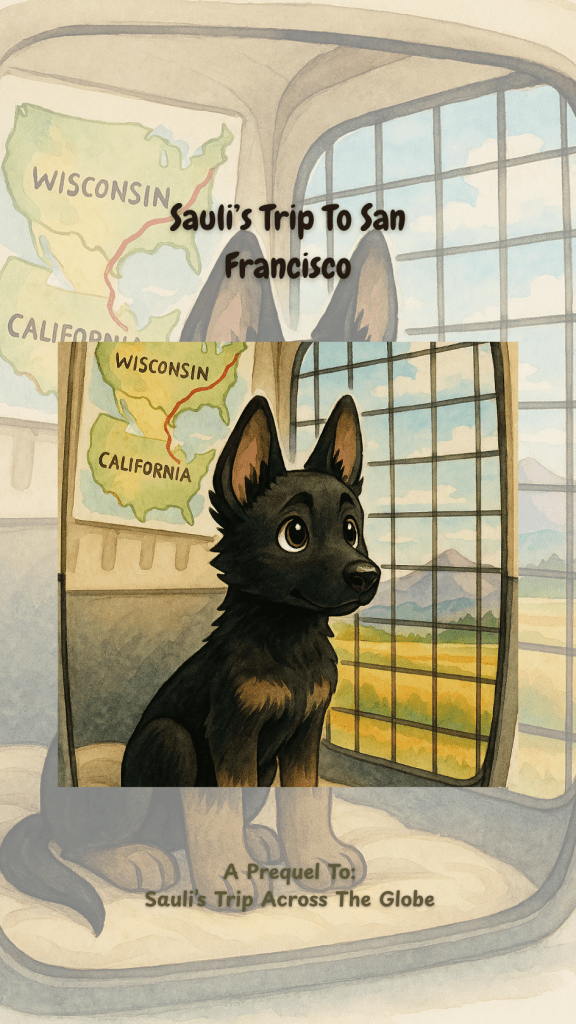
Furthermore, radical pivots often fail because we use them to outrun our own unpredictability. I spent years trying to choose the structure of the West over the “madness of home,” only to realize that the “potholes” followed me across continents. Whether it was my dog Sauli’s dramatic “Mission Impossible” escape attempts or the “psychological warfare” of a landlord from hell, life refused to be neatly re-categorized into a new, efficient business plan. I learned that we often seek “comfort more than connection,” clinging to the illusion of a new career or a new city to avoid the “raw reality” of our own grief.
Ultimately, I discovered that my pivot from “code to copy”—from building digital systems to writing—was successful only because it wasn’t a total abandonment of myself. It was a “quiet recalibration of values” where I stopped trying to find a “guaranteed key to unlock any door” and instead focused on the “patient work of belonging to myself”. Radical pivots fail when we try to fly over the potholes; they succeed when we accept that the potholes are the very paths that lead us home. Success is not a final destination or a prestigious new title; it is the steady decision to keep showing up for yourself on the scenic, unpredictable route.
Listen to the full episode on the Diary of Cliches Podcast!






Leave a Reply